


The war in the Middle East is quickly pushing some countries around the world towards a potential energy crisis.
The effective closure of one of the world’s most important maritime passages has already pushed global oil prices way up, and could result in an increased demand for Canada’s energy sector.
The Strait of Hormuz is a crucial passage for about one-fifth of the flow of global oil and liquified natural gas (LNG) – it connects the Persian Gulf to the open ocean.
“This has changed our whole view of risk and where oil comes from, where natural gas comes from,” said Richard Masson, a former CEO for the Alberta Petroleum Marketing Commission, about the situation in the Middle East.
The majority of the oil and gas on the tankers navigating the narrow passage are destined for Asian markets. Countries like China, India, Japan, and South Korea are the most vulnerable to disruptions in the Strait of Hormuz.
“We’ve now seen that Iran can shut this strait down and it means that there’s going to be less countries that want to rely on Middle East oil, so where are they going to get it?” said Masson.
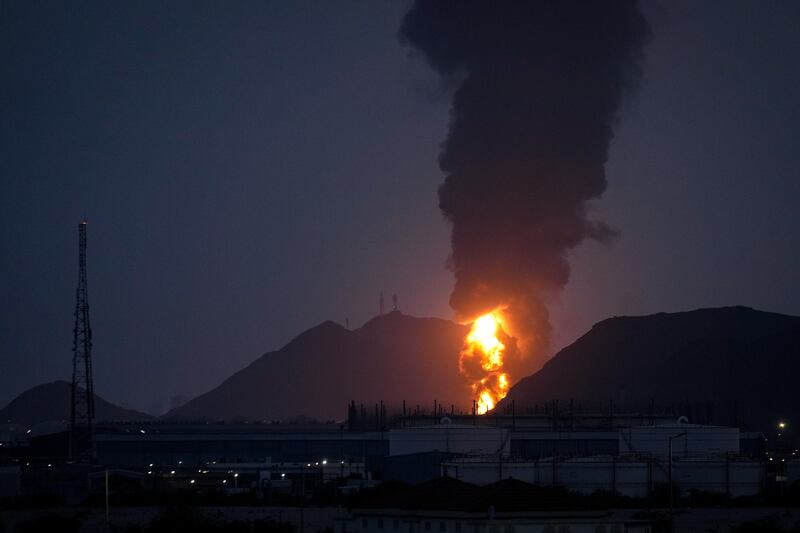
In the short term, many experts have suggested some could be forced to turn to Russian oil.
Canada could also help provide some immediate relief – though capacity to increase our oil and gas exports to Asian markets through existing infrastructure is limited.
“Canada does have an ability to put some additional oil onto the world market,” said economist Colin Mang.
“But we can’t hope to satisfy all of the lost production from the Middle East right now.”
In the longer term, Canada’s energy minister says there are already indications countries could come calling.
“What’s happening in the Middle East is making our allies more and more focused on Canada,” said Tim Hodgson in an interview with CTV’s Power Play this week.
He says those countries have specific criteria that Canada can meet.
“They want a reliable, a secure, and a sustainable source of energy going forward.”
But in order to create the capacity to be able to provide that, Canada still has significant hurdles to cross.
“We don’t have the pipeline capacity right now going over the Rockies to really become a large exporter to the Asian markets,” said Mang.
That would require a second West Coast pipeline, which is the intended outcome of a memorandum of understanding between Ottawa and Alberta.
But that’s far from a guarantee and would still take years to build.

