


The Canadian Security Intelligence Service (CSIS) says the threat level in Canada from Iran or its proxies has not changed since the war in Iran began nearly two weeks ago, while adding that threat-related activities are “likely to continue.”
“The level remains at ‘Medium,’ meaning that a violent extremist attack remains a realistic possibility,” a CSIS spokesperson said in a statement to CTV News on Tuesday night.
“The most likely scenario for serious violence involves a lone actor whose intent to mobilize is unknown to authorities. Such a person could be inspired by the conflict in the Middle East.”
CSIS provided the comment after CTV News asked whether the organization was concerned about potential Iranian sleeper agents or cells in Canada amid the ongoing conflict. The war began nearly two weeks ago after the U.S. and Israel launched joint airstrikes across Iran, killing Iran’s supreme leader Ali Khamenei and other officials.
On Monday, U.S. President Donald Trump said his administration is “on top of” possible Iranian sleeper cells operating inside the United States.
“We’re watching every single one. We know a lot about them,” Trump said while speaking at a press conference.
CSIS, meanwhile, tells CTV News that they continue to “assess that Iranian threat-related activities directed at Canada and its allies are likely to continue in 2026.”
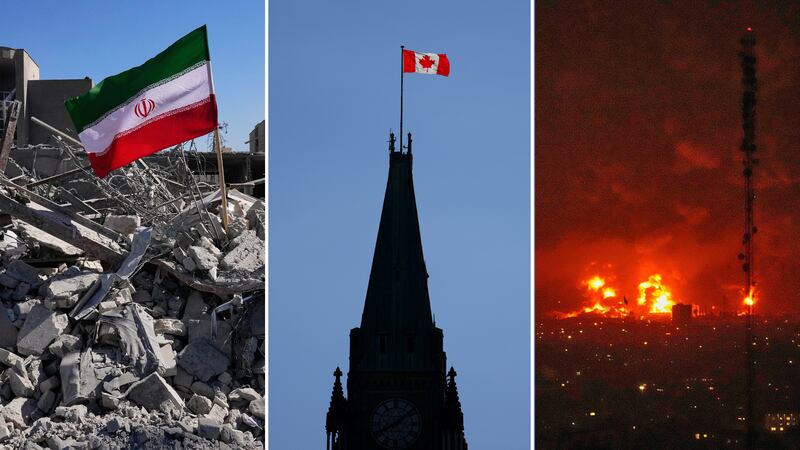
The statement also points to potential Iranian threats thwarted in recent months.
“Over the last year, CSIS has worked to counter the actions of Iranian intelligence services and their proxies who have targeted individuals they perceive as threats to their regime,” the statement reads.
“In more than one case this involved detecting, investigating, and disrupting potentially lethal threats against individuals in Canada.”
CSIS Director Dan Rogers made similar remarks in a rare speech last November and emphasized refocusing resources on Iran.
“In particularly alarming cases over the last year, we’ve had to reprioritize our operations to counter the actions of Iranian intelligence services and their proxies who have targeted individuals they perceive as threats to their regime,” Rogers said at the time.
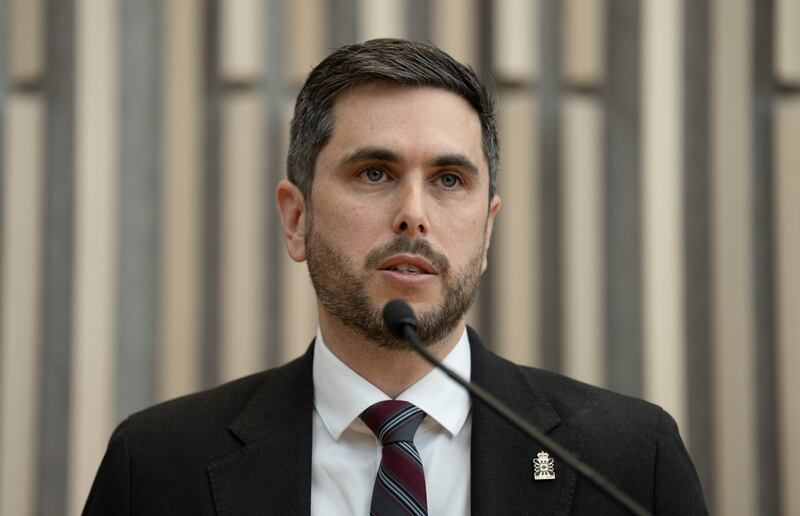
The agency also says it is “focused on ensuring continued vigilance to ensure the safety and security of Canada and all Canadians” in response to the conflict.
Canada cut off diplomatic ties with Iran in 2012 under former prime minister Stephen Harper over Iran’s support for Bashar al-Assad’s regime during the Syrian civil war. That same year, Canada designated the Islamic Republic of Iran as a state supporter of terrorism.
The federal government also named the Islamic Revolutionary Guard Corps (IRGC), which serves as a branch of the Iranian military, as a terrorist entity in June 2024.

