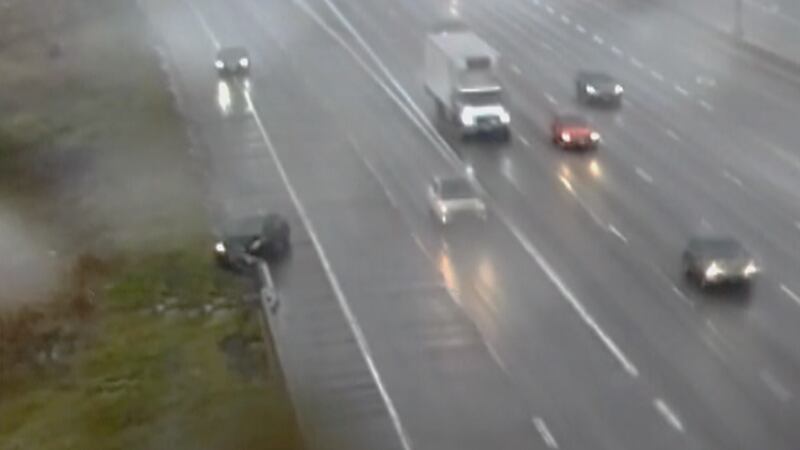
The dashcam video shows a car going too slowly for Toronto’s Highway 407. Suddenly, it veers off the highway and slams into a guardrail.
The front end had caved in – the car was a write-off.
The story from the sheepish driver to his insurance company was that he swerved to avoid another car.
But something didn’t feel right with insurance investigator Mike Cardillo, with Aviva Insurance’s investigations unit.
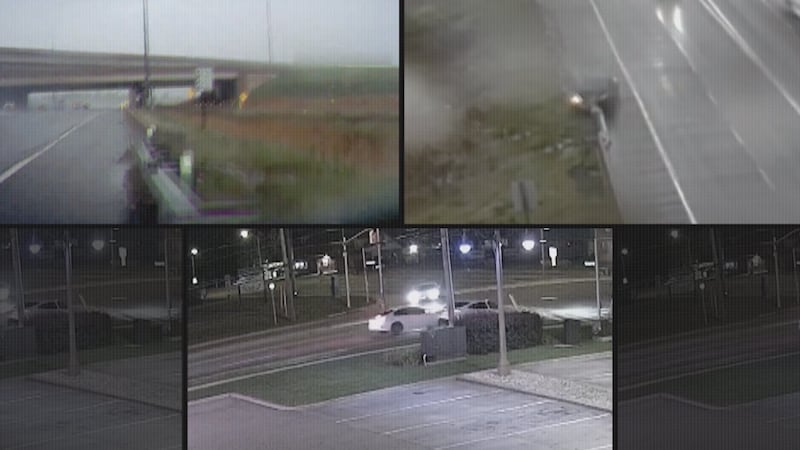
So, Cardillo and his team dug into it, pulling footage from a nearby highway traffic camera to see the crash in May of 2025 from a different angle.
The video shows the same guardrail crash, but it’s clear that there was no vehicle the driver was attempting to avoid.
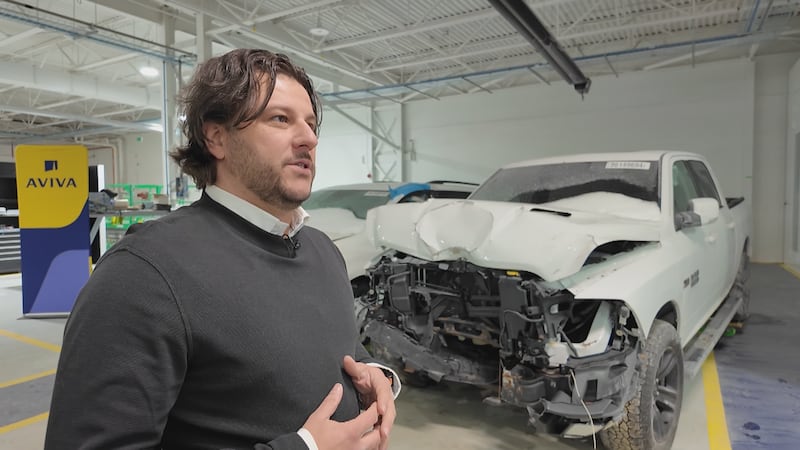
“That’s the smoking gun in an investigation,” Cardillo says in an interview.
The video also reveals more. There is another car, but it’s following the first, damaged vehicle.
Seconds after the crash, the video shows the two drivers switching places before anyone else arrives.
He believes the original driver was skilled enough to evade injury in the crash, and the other driver will claim he was behind the wheel for the insurance.
“You have the video as clear as day that the individual got out of the driver’s side, hopped into another vehicle to take off, and the insured called the police to come to the scene,” Cardillo said.
The video shows that the person making the claim wasn’t even driving the car -- a fact that makes any claim he was injured in the crash impossible.
Trading places is a sign of premeditation and organization behind what Cardillo calls a staged collision – something faked for an insurance payout that would have netted them tens of thousands of dollars.
Aviva says it’s been inundated with fake crashes in the past year.
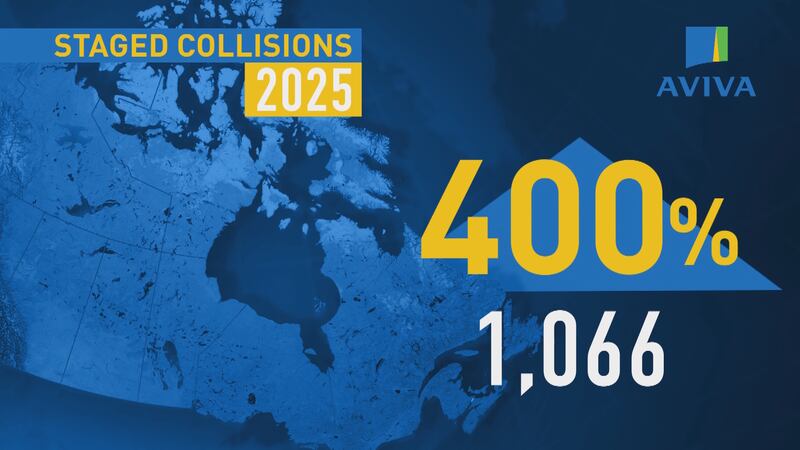
Their figures show that across Canada, the number in 2025 has risen some 400 per cent to 1,066 fake crashes, compared to the previous year.
Aviva’s head of fraud and financial crime, Jamie Lee, believes the two are connected.
“What we’re seeing is vehicle theft has been decreasing, which is great, because some of the actions that government, and the industry and law enforcement are taking are working,” she said.
“But unfortunately, organized criminals need other means to make money. And now, they’re turning to other, also fraud-related, crimes,” she said.
East of Toronto, Detective David Jaciuk is with the serious and organized crime branch of Durham Regional Police’s financial crimes unit.
He’s also seen a resurgence in the cases. In one example, he said a sergeant spotted a common thread in dozens of crashes and flagged them for an investigation into whether they had been staged to get insurance money.
“They will purchase a vehicle cheap. Sometimes the vehicles are already smashed up,” he said.
Then, those worthless cars will have their odometers run back to appear to be a more valuable car.
That increases the payout on an insurance claim – even though those cars weren’t worth that kind of money.
“It’s significant,” he said. “I had a case where a payout was $40,000.”
A video obtained from one crash in the spring of 2025 shows how this can work. A car edges into the intersection of a country road, then waits.
Suddenly, the car is hit from the side, appearing like it was t-boned, but was planned all along, said Cardillo.
He takes W5 on a tour of a facility west of Toronto that has several smashed-up cars they believe were all in staged crashes by the same people.
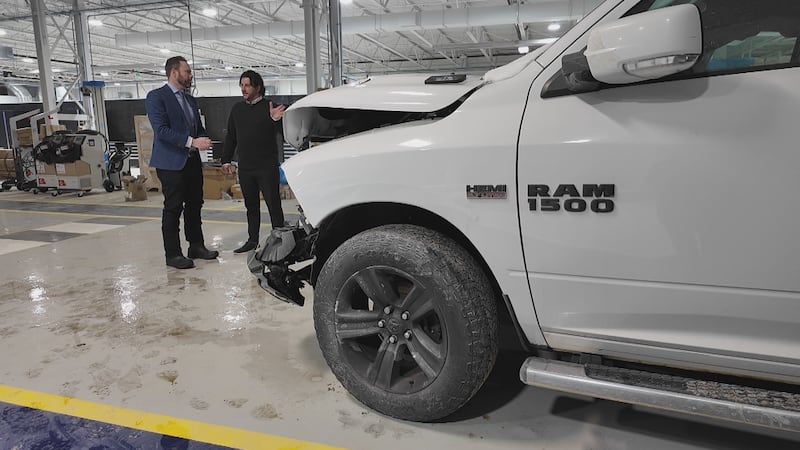
“I think the story on this one was the individual was driving on a country road, swerved to miss an animal, and went into a ditch and hit a tree. It wasn’t true,” Cardillo claims.
Cardillo said he’d like to be able to refuse coverage to people who his investigations have found to have been part of a scam.
However, Lee said Ontario government regulations prohibit insurance companies from refusing to provide auto insurance for a limited list of reasons, and suspicion of fraud isn’t one of them, she said.
“It’s very difficult for us right now to take action and take them off risk,” Lee said, adding she believes that guidance is one reason why they see repeat offenders.
A spokesperson for Ontario’s regulator, the Financial Services Regulatory Authority (FSRA), told W5 that any decision to refuse, cancel, or not renew auto insurance must be done by approved rules.
Insurers can void a policy where there has been misrepresentation by a customer and can also investigate a suspicious claim itself, the spokesperson said.
But insurance companies can’t blacklist people based on allegations, even if they rise to the level of a criminal charge, the spokesperson said.
“A criminal charge is an allegation, not a finding of fraud, and under Canadian law, individuals are presumed innocent until a court determines otherwise,” said Lilian Kim of FSRA.
As for Jaciuk, he says he’s tired of first responders wasting their time on these fake crashes.
In one video, an OPP officer can be seen, and some firefighters are sitting in the trucks.
“It’s aggravating. It really is. You’re wasting valuable resources, from a frontline perspective. You had firefighters, ambulance, police. You’ve got three frontline emergency services, tied up for a lie,” he said.
COMING UP TOMORROW: How authorities believe those behind tow truck violence and extortion – are making big bucks from insurance fraud.

