Alberta First Nations leaders say concerns about the province’s separatist movement were raised during a nearly hour-long meeting with King Charles III at Buckingham Palace on Wednesday.
Grand Council Chief Joey Pete of the Confederacy of Treaty 6 First Nations was among a delegation of seven Indigenous leaders from Alberta and Saskatchewan who met privately with the King.
Pete, one of two Alberta chiefs in the group, said in an interview with CTV News from London that he came away encouraged by the conversation and felt his concerns were heard.
“It was actually an amazing experience,” Pete said.
“Yes, I do feel he was listening. And he understands the relationship that was built. Treaty is the foundation of Canada. It’s the foundation of everything.”
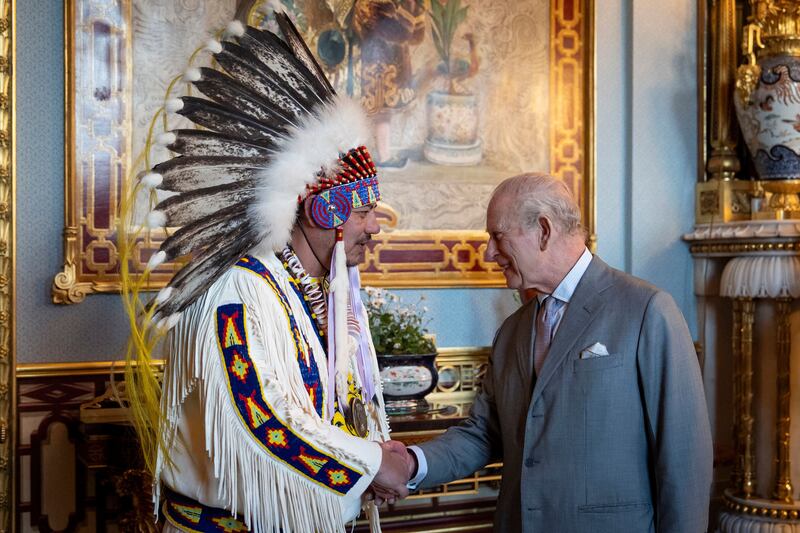
Pete said he raised concerns about the division he believes talk of Alberta separation is creating.
“I brought up the hardships … on all Albertans when it comes to the division it has caused,” he said.
Treaty 6, signed in 1876, covers large areas of what are now Alberta and Saskatchewan. Like other numbered treaties, it was an agreement between First Nations and the Crown to share land while guaranteeing certain rights to Indigenous nations.
Those rights are now protected under Section 35 of the Constitution Act, 1982, which recognizes and affirms Aboriginal and treaty rights.
Pete said those treaty commitments mean Indigenous nations must be part of any conversation about Alberta leaving Canada.
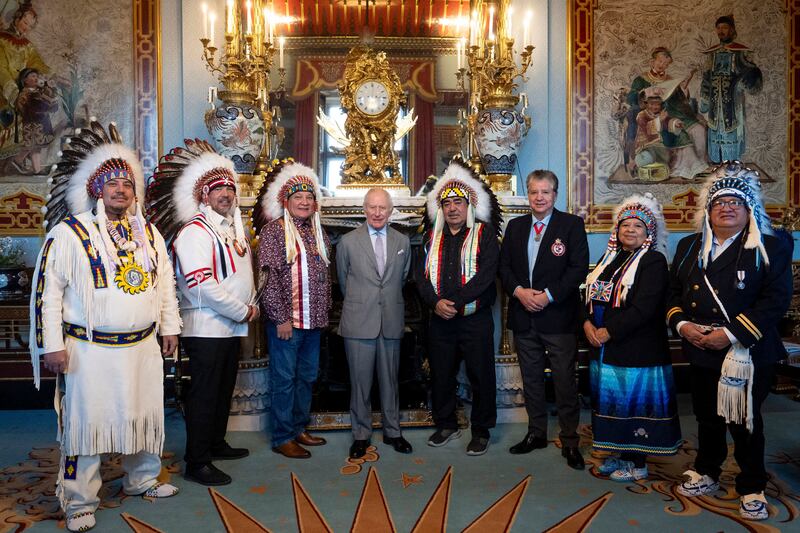
“We signed (the) treaty to share the land to the depth of a plow,” he said.
“We have our own laws and governance system that we follow. And as per treaty, we are sovereign nations. We have our own laws that we follow,” he added. “Treaty is law and it’s part of the Constitution. It cannot be broken and it supersedes any legislation.”
Grand Chief Trevor Mercredi, who was not part of the delegation in London, said treaty rights would present significant constitutional challenges for any attempt by Alberta to separate.
Speaking with CTV News from Edmonton, Mercredi said the land covered by treaties cannot simply be claimed by the province.
“When we talk about separation and leaving the Confederation of Canada, we have to understand that the lands do not belong to Alberta,” Mercredi said.
“When we’re talking about separation and the separatists, they have absolutely nothing to take.”
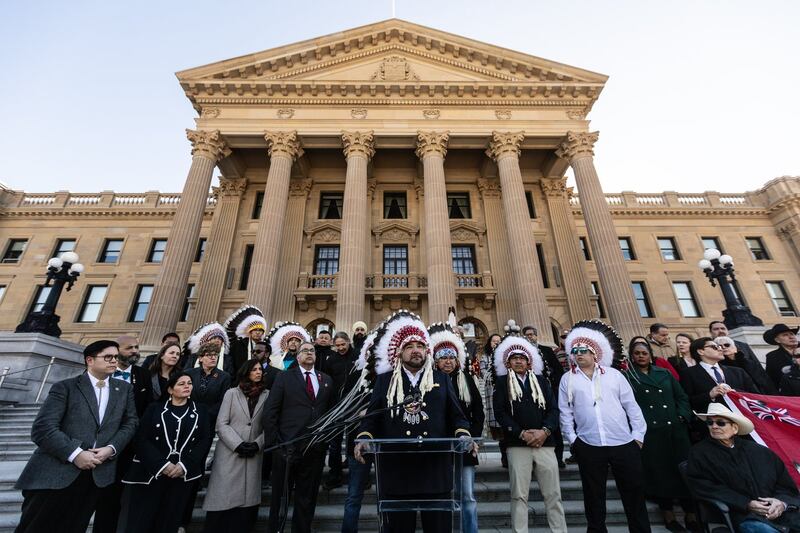
Mercredi said treaty rights are firmly entrenched in Canadian law.
“Pretty soon they’re going to be up against constitutional challenges,” he said. “Our treaty is here to stay, and our treaty is the law of the land.”
Scholars say that constitutional protection makes questions of provincial separation more complex.
Chadwick Cowie, an assistant professor of political science at the University of Toronto, who studies Indigenous governance and Canadian politics, said provinces such as Alberta exist within treaty territories negotiated between First Nations and the Crown.
“That makes it more difficult when we talk about secession by a province,” Cowie said. “Provinces like Alberta and Saskatchewan exist because of these numbered treaties.”
Questions about Indigenous rights also surfaced during Quebec’s push for sovereignty in the ‘90s.
Ahead of Quebec’s 1995 referendum, several Indigenous communities held their own votes and overwhelmingly rejected the idea of leaving Canada alongside the province.
Cowie said those votes showed how Indigenous nations can shape constitutional debates around secession.
“Indigenous people had an impact on that conversation,” he said.
“We’ve started to see more recognition that Indigenous nations have to be respected and reflected.”
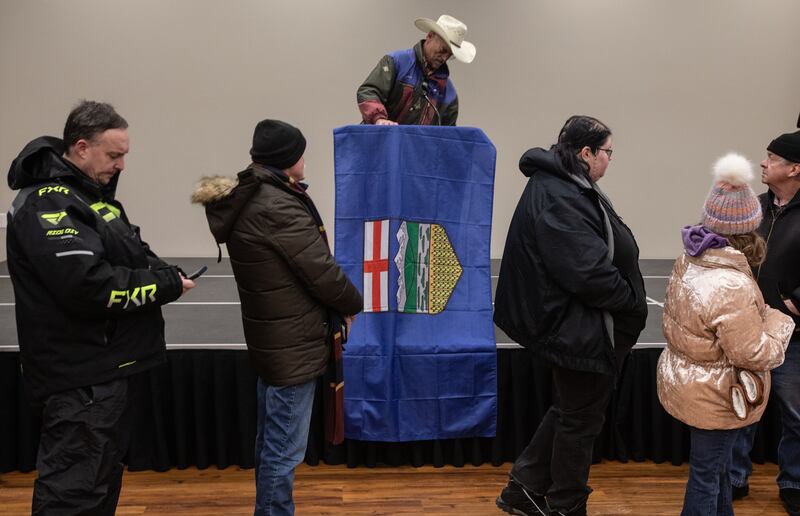
Since the beginning of the year, the group Stay Free Alberta has been gathering signatures across the province for a petition calling for Alberta independence.
Under Alberta’s Referendum Act, organizers must collect 177,732 valid signatures by May 2 for the question to be verified and potentially brought before the legislature.
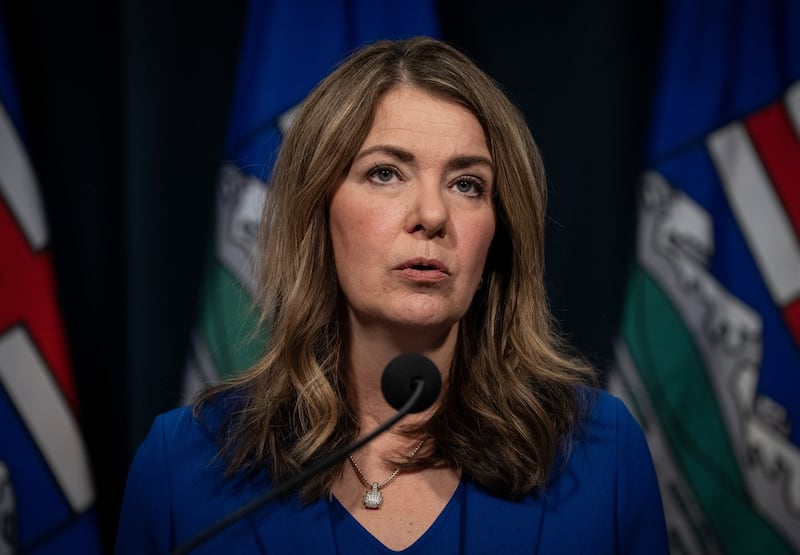
Indigenous leaders have called on Premier Danielle Smith to denounce the separatist movement and multiple First Nations have filed court challenges, arguing the petition for the separatist referendum question violates treaty rights and constitutional obligations for consultations.
Alberta Justice Minister Mickey Amery said the province must ensure any potential referendum question respects the Constitution and treaty rights.
“The government of Alberta needs to make sure that any question put forward is compliant with the constitution,” Amery said. “We have taken particular and specific steps in making sure that First Nations and treaty rights are respected and we will continue to do that.”

