Warning: Graphic content.
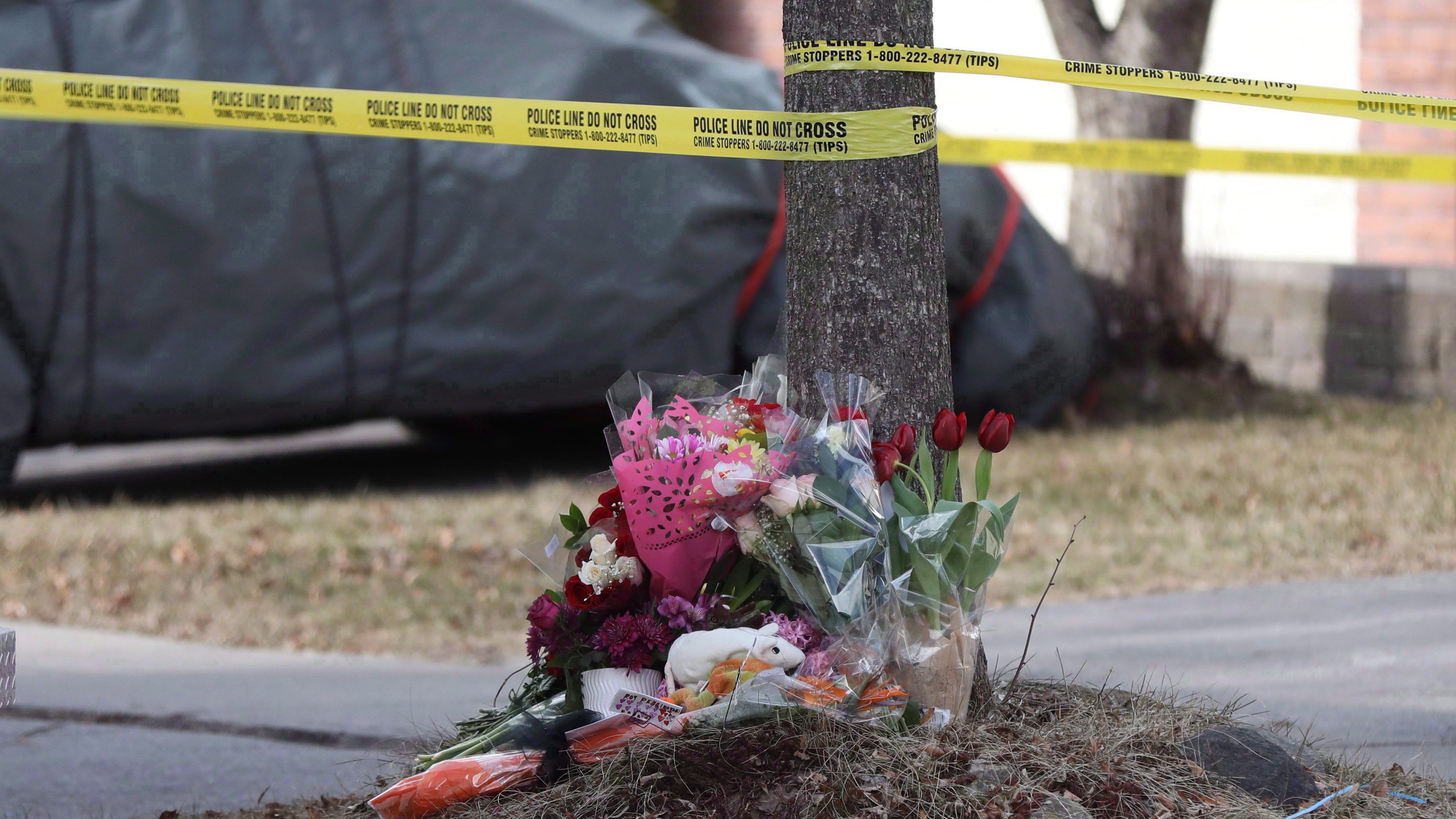
Thirty women and girls have been “violently” killed in Canada in 2026 so far, according to the Canadian Femicide Observatory for Justice and Accountability.
The early 2026 data was provided to CTVNews.ca earlier this month following the release of the observatory’s latest report on femicide in 2025.
Last year, 147 women and girls were reported to have been killed in Canada, according to a two-page report published by the observatory. The accused in most of these cases are male, the observatory says.
This marks the first decrease in femicide in Canada since 2019, according to the report.
The number of women and girls killed had been on the rise since 2020, amid the COVID-19 pandemic restrictions, the observatory says its data showed.
However, the observatory says the current numbers for 2026 suggest an ongoing need for awareness, prevention and action to address femicide in Canada.
“Even one (death) is a problem if it could have been prevented,” Myrna Dawson, founder and director of the observatory, told CTVNews.ca in an interview.
“Since we started collecting data in 2018, it’s 1,500 women. That is the tip of the iceberg. This is the number of women that get killed as a result of male violence against women.”
Femicide is the intentional killing of a woman or girl because of bias against this group of people or misogyny, Dawson said, a professor of sociology at the University of Guelph who has spent three decades studying femicide, violence against women and girls, violence prevention, criminal justice and public policy.
While an accused can be a family member, friend, acquaintance or a stranger, femicide is most often committed by a current or former intimate partner of the victim, according to Dawson.
Of the 147 women and girls killed in 2025, the accused in 34 per cent of cases was a current or former intimate partner, according to the observatory data. Dawson said the rate of femicides that involve a current or former intimate partner as the accused is 55 per cent on average, upon completion of police investigations.
Around 72 per cent of the women and girls were killed in a private location, such as their own home or the home of the accused, the report on 2025 deaths said. Eighteen per cent of the males accused of intimate partner femicide were reported to have died by suicide.
Pressure on shelters
A femicide is often preceded by intimate partner violence and domestic violence, particularly when a woman decides to leave or has already left the relationship, according to Anuradha Dugal, executive director of Women’s Shelters Canada.
She says the rate at which women are accessing shelters in Canada is rising, with the severity of harms intensifying.
“The types of harm that a survivor has experienced seem to be multiplying,” Dugal told CTVNews.ca in an interview. “It is more complex, multi-faceted — physical, psychological, financial and sexual.”
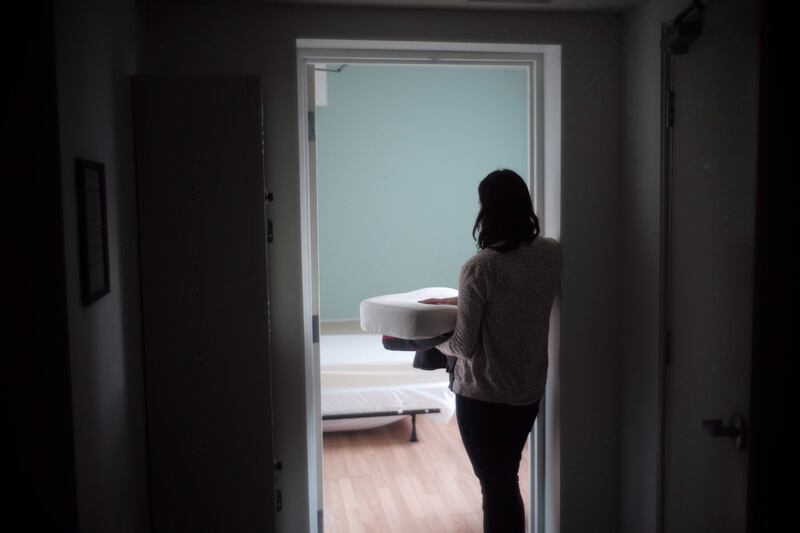
As a result, the demand on front-line workers at the shelters has grown, Dugal added, saying that awareness and prevention require continuous effort from all sectors.
“Prevention has to happen in of all places, all the time — schools, workplaces, sports teams, university — all kinds of settings,” Dugal said.
“There’s a lot of education in the younger generation around things like consent, but femicide happens equally. The data from the observatory shows that it’s pretty evenly split between all three generations.”
Bill C-16
In December 2025, the federal government renewed its commitment to ending gender-based violence when it allocated $223.4 million over five years starting in 2026–27, with $44.7 million ongoing to strengthen federal action in response.
Bill C-16 was introduced the same month, aiming to strengthen protections for victims and introducing the term “femicide” into the Criminal Code of Canada. The bill seeks to classify these killings as first-degree murder in the Code.
The observatory was one of several organizations that had been advocating for the term “femicide” to be included in the Criminal Code for almost a decade.
“A femicide means that women are killed in distinct ways but there’s often similar precursors,” Dawson said.
“The killing of women and girls is distinct from the killing of men and boys, and we need to recognize that distinction in order to have more nuanced prevention.”
Dawson says having the term femicide legally recognized is the first step in ensuring proper awareness, prevention and action.
“There’s been a lot of work done in other countries that now recognize femicides and have laid out processes and procedures for investigating the killings of women and girls when they occur, to determine if it is femicide,” Dawson said.
“That’s important in terms of prevention, because then there’s more of a gendered lens on these killings of something that’s more specific to women, meaning that we need to understand them better if we’re going to put prevention initiatives in place to prevent them better than we do now and again.”
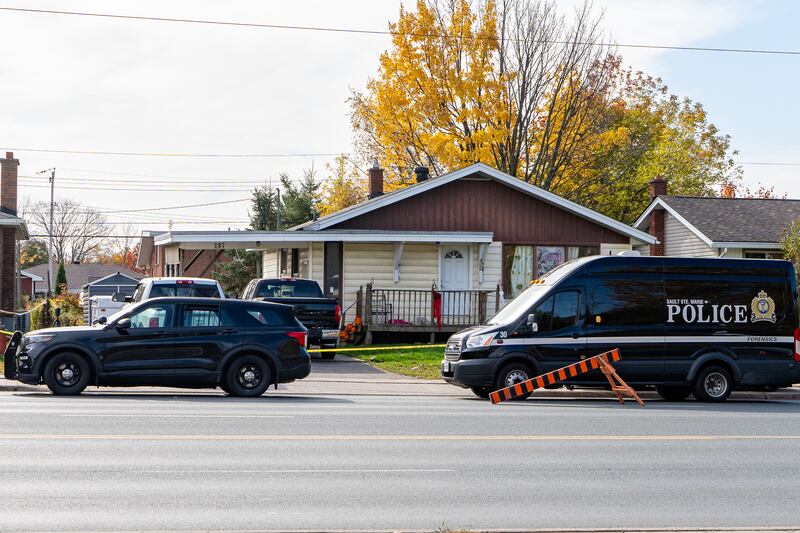
Several provinces in Canada, including Ontario, Quebec, British Columbia, Saskatchewan, New Brunswick, Manitoba and Nova Scotia, have Domestic Violence Death Review Committees (DVDRCs) that analyze domestic violence-related deaths and make prevention recommendations.
Alberta’s committee, which was established in 2013, was dissolved at the end of last year.
These committees consist of experts from all different sectors, which Dawson says is necessary to ensure a multidisciplinary approach.
The challenge is ensuring recommendations get implemented, Dawson said.
“We need more action on the recommendations that are made. These committees spend a lot of time investigating and reviewing the deaths that have happened to see where the systems have not worked (...) We need to understand if the recommendations are being made,” she said.
“If femicide passes into law, that’s great, but then it’s about the implementation.”
Above all, the most pressing challenge is changing societal attitudes towards women, a shift that could contribute to reducing violence against women, Dawson says.
“There’s concerns about the next generation with the rise of the manosphere and, the radicalization of some young men and their attitudes towards young women and healthy relationships,” she said.
“If we think about the next generation of males that are now growing up, if knowledge about this issue becomes more entrenched in society and helps to go against the attitudes, then that helps with the next generation.”
Methodology
The observatory said its data is obtained from media and police reports - sometimes followed through the criminal justice system if cases proceed - and then cross-checked with Statistics Canada when the official figures are released.
Numbers increase over time as investigations conclude, suspicious deaths are confirmed as homicide, or new deaths are recorded, according to the observatory.
If you or someone you know is struggling with sexual assault or trauma, the following resources are available to support people in crisis:
- Call 911 if you are in immediate danger or fear for your safety.
- The Canadian Association of Sexual Assault Centres' website has a comprehensive list of sexual assault centres in Canada that offer information, advocacy and counselling.
- The Ending Violence Association of Canada‘s website has links to helplines, support services and locations across Canada that offer sexual assault kits.
- Indian Residential School Survivors Society crisis lines: +1 866 925 4419 or +1 800 721 0066 (24/7)
- Toronto Rape Crisis Centre crisis line: +1 416 597 8808 (24/7)
- Canadian Human Trafficking Hotline: +1 833 900 1010 (24/7)
- Trans Lifeline: +1 877 330 6366
- Suicide Crisis Helpline: call or text 988 (24/7)
- Sexual Misconduct Support and Resource Centre for current and former Canadian Armed Forces members: +1 844 750 1648
- Read about your rights as a victim on the Canadian Resource Centre for Victims of Crime website.

