VANCOUVER – The B.C. government says its targeted campaign to recruit American health-care workers is paying off, with more than 400 professionals now working in the province. But critics argue the gains fall far short of what’s needed to address ongoing staffing shortages.
B.C. Premier David Eby said the province’s push into the United States was based on a “hunch” that has been proven right.
“They’re not just changing job: they are moving families, they’re starting new chapters, they’re building new lives,” B.C. Health Minister Josie Osborne said of those making the move.
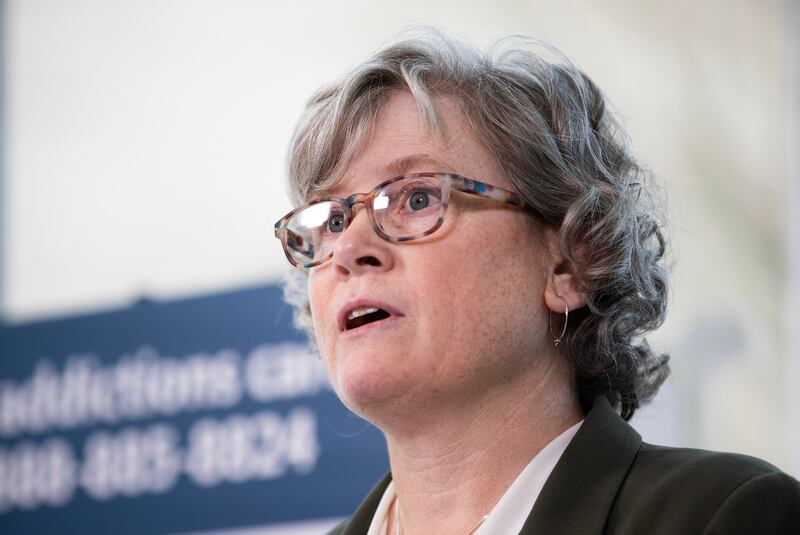
According to the province, 414 U.S.-trained health-care workers, including doctors and nurses, have accepted positions in B.C. since March 2025. That includes 89 physicians, 260 nurses, 42 nurse practitioners and 23 allied health workers.
One of them is Dr. Anne Herdman Royal, a pathologist who packed up her life in Tulsa, Okla., along with her husband and daughter, to start fresh in Nanaimo, B.C., last September.
Royal says they first considered leaving America during U.S. President Donald Trump’s first term in office, but the tipping point came later.
“There was actually a shooting, a mass shooting at the hospital where I was working, and that just brought everything into clear focus,” she told CTV News.

Thousands apply, hundreds licensed
New figures released Tuesday by the province shows growing interest from U.S. health-care workers.
B.C. says it has received more than 2,750 job applications from American health professionals between March 2025 and January 2026. More than 1,300 have registered to practice in the province, including more than 1,000 nurses and nurse practitioners, as well as more than 200 doctors.
The province also says it has streamlined credential recognition, helping accelerate licensing for U.S.-trained workers.
Health officials say the recruits are now working across the province, including in rural and remote communities, through various health authorities.

Campaign capitalized on U.S. political climate
The recruitment effort followed a $5-million advertising campaign aimed at health-care workers who were disillusioned with Trump in select U.S. states, including Washington, Oregon and California.
The province has highlighted Canada’s public health-care system, protection of reproductive rights and inclusive communities, messaging which may resonate with left-leaning Americans.
Osborne said previously, the province sought to capitalize on “uncertainty and chaos” in the U.S. following the election of Donald Trump in November 2024.

‘Drop in the bucket’: union
Despite the gains it calls “great news,” the B.C. Nurses’ Union is putting the numbers in perspective. The union says there are an estimated 4,500 vacant nursing positions across the province.
“While 260 nurses is a great start, it really is a drop in the bucket,” said union president Adriane Gear.
Gear says retention remains a major issue, with many nurses leaving the profession within the first five years due to burnout and poor working conditions.
“We need to actually start retaining the nurses we have,” she said, noting the province has made progress in areas where it has implemented minimum nurse-to-patient ratios.

