Warning: Graphic content.
Ottawa took the first steps towards creating a national men’s health strategy last February by launching a countrywide survey, giving rise to conversations around the topic.
One expert says this is important to help Canadian men address issues like masculinity, mental health and relationship building.
Niigaan Sinclair, an award-winning writer and professor of Indigenous Studies at the University of Manitoba, told CTV Your Morning on Tuesday that this undertaking by the federal government is imperative to address the health disparities between men in Canada, particularly those who are Indigenous or immigrants.
“Canadian men often die earlier, have low life expectancy, are more likely to get heart disease, suffer from cancers, suffer from obesity, than anyone else in the country,” Sinclair said, calling it an “ongoing crisis in society.”
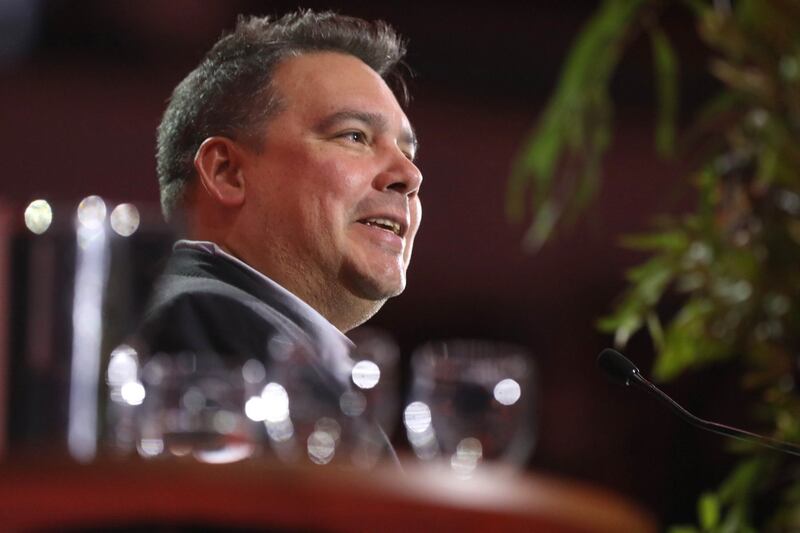
Sinclair, who co-authored a 2025 report from the Movember Institute of Men’s Health, said most of these issues rise from the lack of accessibility and the number of cases that go undiagnosed.
“There are two main tensions at play,” he said. “The first is that men suffer from a great deal of inequities within society because they oftentimes don’t have services, for example, that address some of their needs.”
The second reason, Sinclair said, was because of the “hyper-masculine culture” that encourages men to not seek medical or mental help, adding that this was especially rampant in racialized groups who don’t have enough access to begin with.
The report also found that Nunavut had the highest rates of premature male mortality in Canada, while Quebec had the lowest rates.
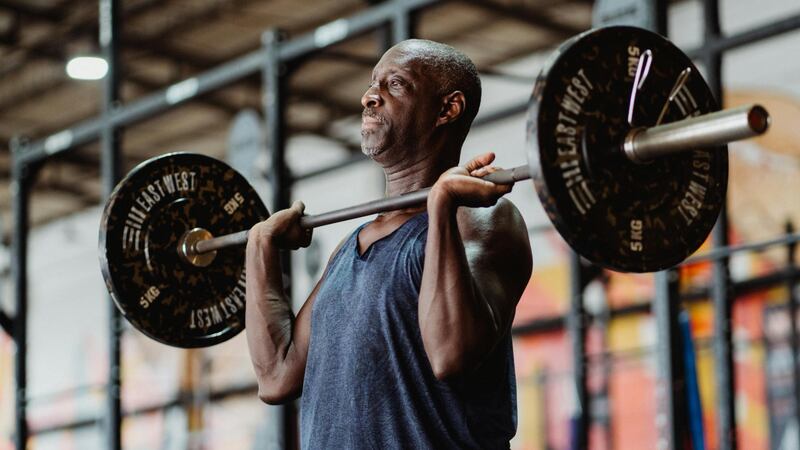
‘A real national crisis’
Sinclair said these “health determinants” are connected to multiple reasons:
- A propensity for lifestyle diseases
- Accessibility to medical care
- Accidental deaths in high-risk situations
- Suicides, due to lack of mental health support
“That’s where those numbers really begin to start to spike, and show that there is a real national crisis amongst men, but Indigenous men, in particular,” Sinclair said.
Meanwhile, Sinclair, whose book “Winipek: Visions of Canada from an Indigenous Centre” won the 2024 Governor General’s Award for English language non-fiction, said this move does not mean that the “very legitimate” issues surrounding children, women and the LGBTQS2+ community are any less important, saying they all “tie very deeply” to the issue at hand.
“When we don’t diagnose the issue ... of mental health amongst men, naturally, families are impacted those in society, partners, spouses,” he said.
According to Sinclair, society should not “shy away” from this movement of a conversation surrounding men and masculinity.
“I think we should listen more to that, because there is a certain way in society that we disenfranchise men, not include men, not consider men,” he said.
“That has led to an outcry across the political spectrum, which leads to those concerns with the ministers, and hopefully more dialog across all Canadian living rooms and boardrooms and classrooms.”
If you or someone you know is in crisis, here are some resources that are available:
Canada Suicide Crisis Helpline (Call or text 988)
Crisis Services Canada (1-833-456-4566 or text 45645)
Kids Help Phone (1-800-668-6868)
If you need immediate assistance, call 911 or go to the nearest hospital.

