BURTON, New Brunswick – In their 28 years of dairy farming, the Howes have had several cows require a caesarean section, to save both the life of the cow and calf.
They knew a large-animal veterinarian was always available and ready to respond to their call for help.
“These aren’t just veterinarians. We become friends with them. They know our herds. They know us,” said Cindy Howe, standing alongside a pregnant cow they’ve been keeping an eye on all day.
The veterinarians she’s referring to work for the province of New Brunswick, essentially employed by taxpayers. But facing a $1.4 billion deficit shortfall, Premier Susan Holt’s government has announced the service will be privatized over the next three years.
And farmers across the province are not happy.
“Health care is important for everybody in New Brunswick, even for our animals,” said Adam Howe.
They’re concerned that the coverage and fast response of the service will be lost if the veterinarians are privatized.
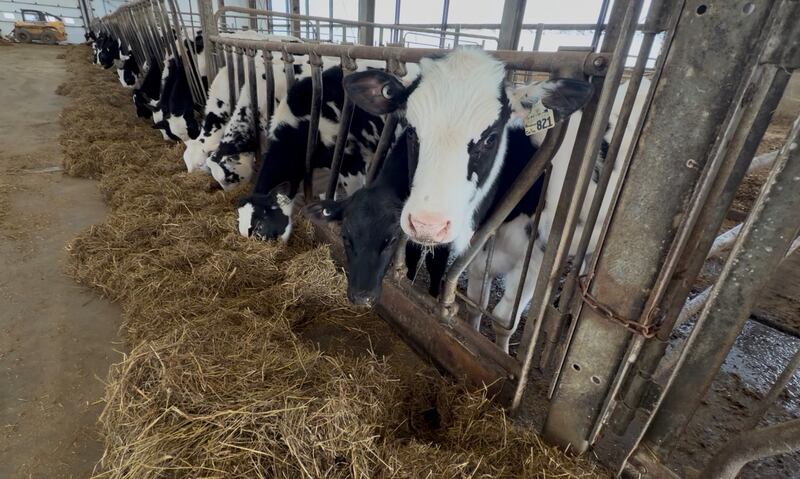
Today, there’s a public field vet ready to respond to calls at commercial and horse farms, administer vaccines and test animals, halting any spread of disease, any time of day or night.
The province is one of the last in the country to pay for the service. Only Newfoundland and Labrador has a similar setup – the rest of the country’s veterinarians are private.
And while N.B. farmers and animal owners pay for each visit, it still costs the N.B. government about $5 million a year.
Agriculture minister Pat Finnigan said less than a third of the calls these veterinarians receive are from commercial farms. The rest are hobby or horse farms, he said.
“We’ve had many calls from private vets as of the last couple of days that are going to set up their practice across the province,” he said on the floor of the N.B. legislature Friday. “They’re now opening it up, they’re now seeing that there is a model that they can supply, that they can service. So, this is what we’re going to support.”
He promised to make sure farmers continue to have veterinary service across the province.
In response, the Progressive Conservative opposition said the province has ‘bit the hand that feeds them.’
“This decision boils down to one single thing. A government in panic mode, looking to cut something to make it appear as if they are saving money,” said opposition leader Glen Savoie.
He said in the “scramble to save money” will jeopardize food security in N.B.
‘We’d pay more’
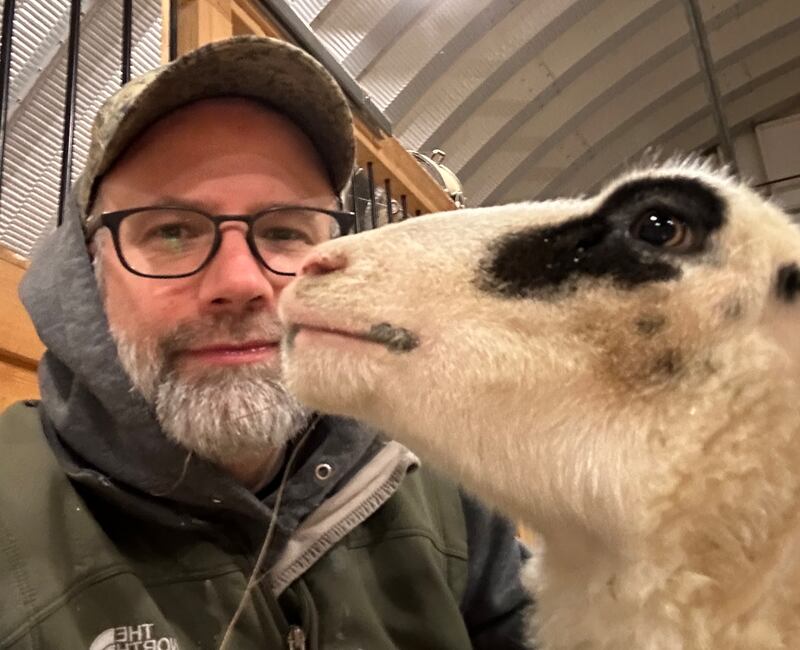
When he moved his animal sanctuary from south of London, Ont. to Codys, N.B., Tim Clancy knew there was a chance some of his sheep wouldn’t react well to the trip.
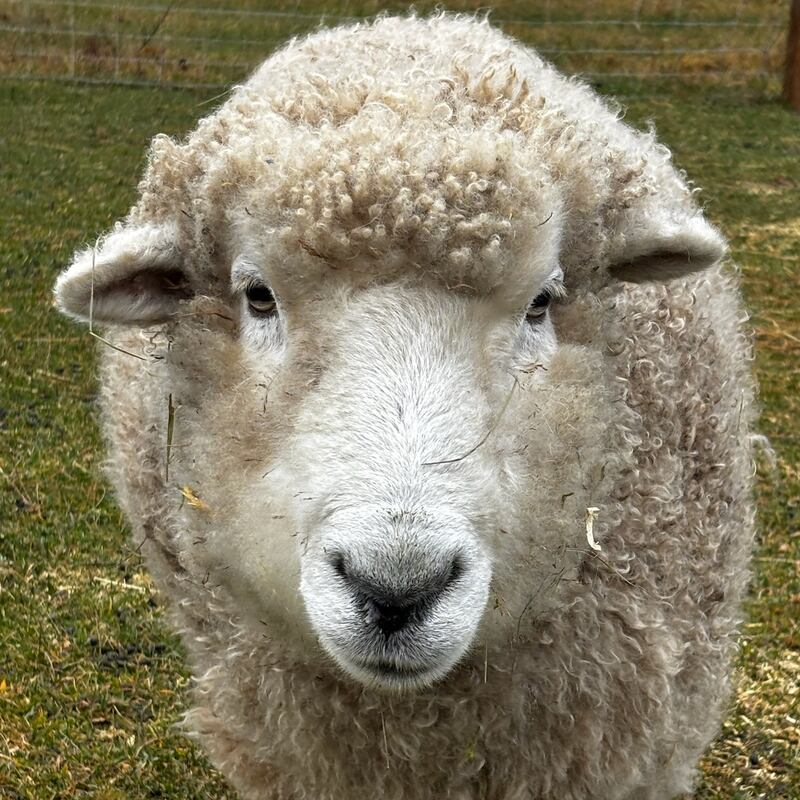
Sure enough, Betty began to show signs of bloating – dangerous swelling that can be fatal.
It was on a weekend. Clancy called the provincial vet service.
“They basically said, ‘What do you want us to do?’ And I said, ‘I want you to come save Betty’s life,’” he recalled. “And they were here in like 45 minutes.”
Betty was saved that day. He said there were times he called a private veterinarian while in Ontario, and they wouldn’t show.
Clancy is adamant – he’d pay more if it means saving the public service.
“I think most of us would probably say that’s better than no coverage at all,” he said.
In a statement, the province said that by transitioning these responsibilities to the private sector, “we can allow the private clinics and veterinarians to provide more responsive and flexible services to our agricultural community…for the long term.”
Some farmers tell CTV News they’ll be protesting the move outside the provincial legislature on March 31.

