March is Liver Health Month, and while many people think about alcohol and diet when it comes to liver health, a growing risk factor is chronic hepatitis B.
Dr. Curtis Cooper, head of infectious diseases at the Ottawa Hospital, told CTV Your Morning Ottawa that the disease can have serious consequences.
“Hepatitis B virus is a kind of infection. You get exposed to it, it gets into your liver, and over time, it can cause damage, scarring, and can also put a person at risk for developing liver cancers,” he said.
“You can get exposed to hepatitis B from body fluids, so, ways worldwide that people can get exposed are during childbirth, so mother to child transmission. When people become sexually active, that’s another way they can get exposed to hepatitis B. You can also get exposed to it from blood products.”
In Canada, most of the population is vaccinated against hepatitis B, and the blood system is safe, so exposure and transmission are rare; however, newcomers to Canada are at higher risk.
“In other parts of the world, the populations aren’t vaccinated, so they’re not protected, so you see hepatitis B in bigger proportions,” Cooper said. “So, people born elsewhere will come to Canada and will be identified as having hepatitis B. So, that’s the story for most people with hepatitis B in Canada. You do occasionally see some homegrown infections, but most of it is among people who were born elsewhere.”
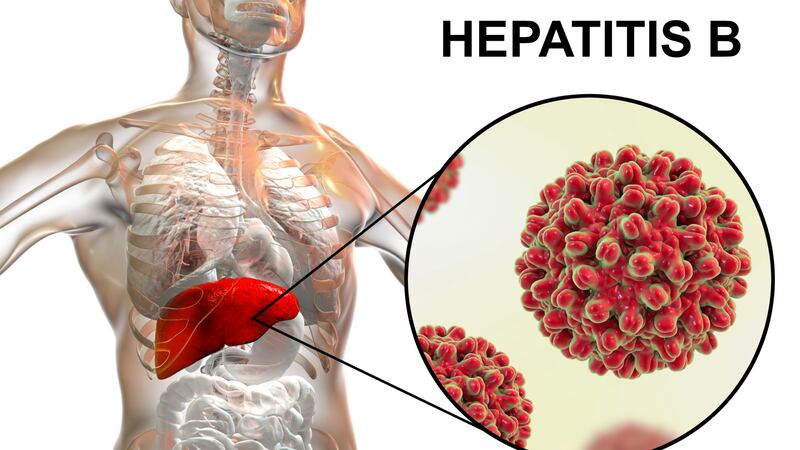
Symptoms include feeling like you have the flu or experiencing jaundice, when eyes or skin take on a yellow colour. Cooper says, however, that many people experience no symptoms.
“Screening is an important thing to do,” he said.
“People get blood work all the time and sometimes their liver enzymes are just a little bit increased and that should be a trigger to the health-care provider that maybe something’s going on in the liver, and they should do a screening test to see if there’s viral hepatitis or some other liver condition.”
Hepatitis B can be treated through suppressive therapies.
“It’s one pill a day. It’s safe, it’s well tolerated. The meds have been around for decades. You take that; it suppresses the hepatitis B, so you’re not infectious to anyone and it protects you from things like developing advanced liver disease and liver failure, and really importantly it protects you against developing liver cancer, which is probably one of the biggest threats that somebody living with chronic hepatitis B has,” said Cooper.
“You need to identify people with hepatitis B, and then they need to be engaged with ongoing monitoring, including screening tests a couple of times a year, of their liver, just to make sure they haven’t developed a small tumour. When you detect it when it’s small, it’s easier to manage and cure somebody of that.”

