Canada’s justice minister is pushing back on a request made by four provinces to have more say in the nomination of judges.
Justice Minister Sean Fraser told reporters the federal government believes the current judicial appointment process is working well.
“We’ve had a lot of positive feedback from a range of different… from every province, frankly, when it comes to the appointments that we have made,” said Fraser. “Many of those have proved to be excellent appointments.”
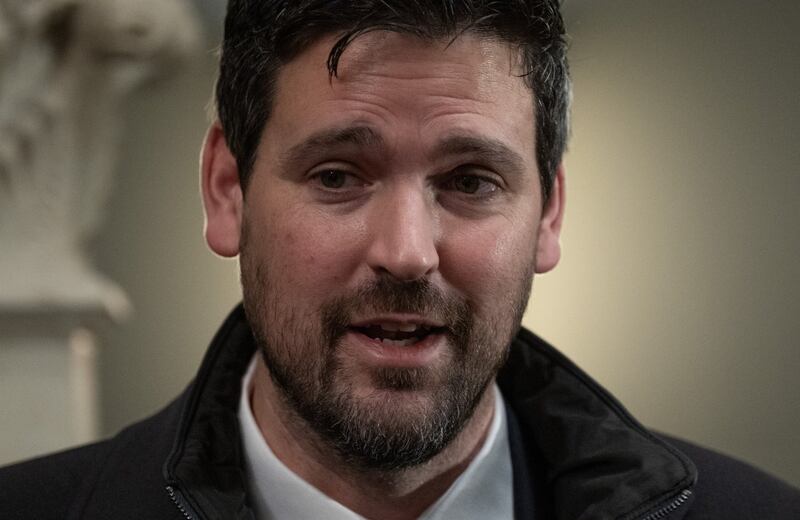
Fraser also signaled an openness to more provincial input in the consultation that goes into the judicial appointments. However, a letter signed by the premiers of Alberta, Saskatchewan, Ontario and Quebec demanded more authority over the final say in the appointment of judges to superior court, provincial courts of appeal and the Supreme Court of Canada.
In the letter to Prime Minister Mark Carney, Premiers Danielle Smith, Scott Moe, Doug Ford and Francois Legault, cite other federal systems where state-level superior trial and appeal court judges are chosen by sub-national governments.
The letter notes this is the case in the U.S., Australia, Germany and Switzerland.
While saying “Canada remains an outlier,” the letter adds “it is equally crucial that provincial government have a substantive role in selection processes of judges of their superior courts to respect the federalism principle.”
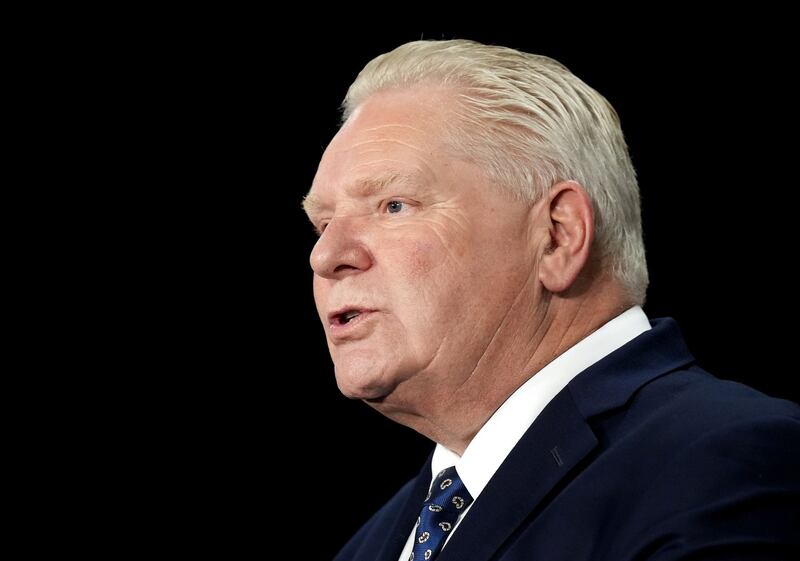
Ontario Premier Doug Ford cited the example of bail reform as one reason why his government wants more input on who is appointed as a judge in his province.
“When they’re hiring these judges, a lot of their decisions are made in provincial jurisdictions,” Ford told reporters. “We want to make sure that we have a judge that actually respects the people, that will keep people in jail.
Ford referenced the case of Darren Scott Ray as a reason for wanting more control over naming judges. The 65-year-old man was convicted of raping and murdering a 14-year-old boy in 1987.
In January, the Parole Board of Canada granted Ray a 72-hour pass to visit a community-based residential facility (CBRF) in Oshawa, Ont., to support a gradual reintegration process.
Ford did acknowledge that the decision was made by the parole board and not a provincial judge.
Fraser believes there is already substantial consultation with the provinces.
He told reporters that when the federal government appoints a judge to the bench who provincial counterparts describe as “top tier” and an asset to the profession, he considers it a “good outcome.”
Still, the letter demands more active engagement in the process to ensure the appointments “appropriately reflect the diversity and the unique needs of each province and territory.”
The federal justice minister said he’s open to a conversation with his provincial counterparts to strengthen consultation on the appointment of judges. However, the federal government is not “contemplating a sea change in the manner in which judges are appointed, certainly not looking at constitutional amendments,” said Fraser.
The letter comes more than a month after Premier Smith threatened to withhold funding to support new judicial appointments in Alberta if the federal government didn’t give her province more input on the final decisions.
“Alberta’s government will not agree to provide the necessary funding to support any new judicial positions in the province until such engagement and collaboration are provided,” Smith wrote in the letter, dated Jan. 23.

