One of the whistleblowers behind allegations of controversial dog experiments at St. Joseph’s Health Care London is speaking publicly for the first time since the research program was revealed last summer.
In an interview with CTV News, the whistleblower, who asked to be identified only as Alex, says they are appalled by what they describe as a “public relations campaign” that minimizes what they say occurred inside the lab.
“I got to know each of these dogs individually. I saw their personalities take shape. I earned their trust. And then I saw every one of them be killed,” Alex said.
The comments come after independent reviews released last month found no violations of animal care standards in connection with the hospital’s dog-based cardiac research.
Alex says the findings do not reflect what they experienced while working directly with the animals.
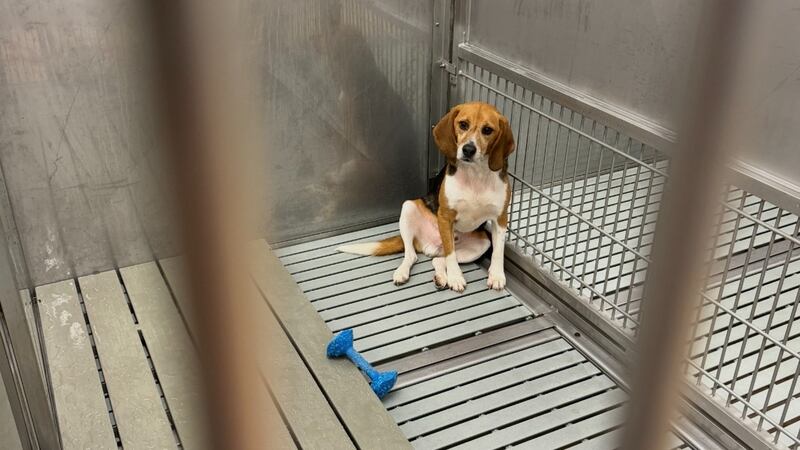
“I worked directly with these animals over an extended period of time. At first, I didn’t fully realize what was going on, but the longer I worked there, the more I saw — and the harder it became to ignore,” Alex said.
Alex says they contacted the animal rights organization Animal Justice last year in hopes of ending the experiments.
“I think the fact that the entire research program, which had been going on uninterrupted for more than 40 years, shut down just days after it became public says a lot about what they were doing,” Alex said.
At the time, two whistleblowers alleged the research involved inducing hours-long heart attacks in dogs as part of cardiac studies and questioned the condition in which the dogs were cared for during the experiments.
“These were young dogs — otherwise healthy. Most of them were puppies, one to two years old — forced into heart attacks that lasted multiple hours. And then at the end, they were killed,” Alex said.
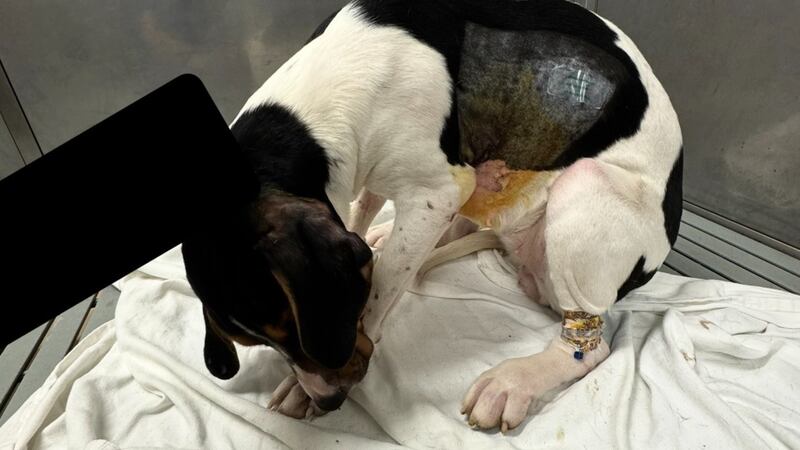
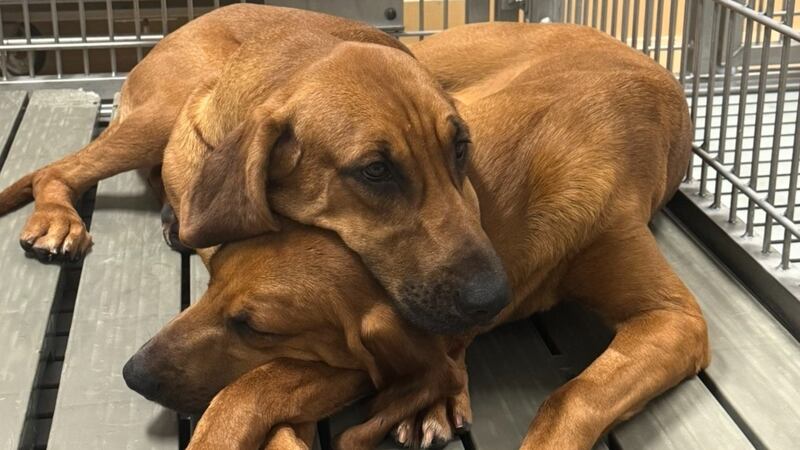
The research program has since been halted. Six of the eight dogs involved were transferred for rehoming, while two remain at the hospital.
St. Joseph’s Health Care London declined an interview request but confirmed in a statement that research involving dogs ended in August 2025.
Alex says the broader issue goes beyond whether existing regulations were followed.
“This was never about whether the rules or the regulations were followed. The root of the issue is the outdated guidelines themselves,” Alex said.
Alex adds their biggest concern now is the two remaining dogs that have not yet been relocated. “There’s still no clear explanation why they’re still there,” Alex said.
In a statement to CTV News, Western University says, “The ACC arranged to transfer these dogs to a trusted and fully accredited organization who would facilitate their adoption. The organization we are working with had the capacity to take six dogs to begin with. The remaining two have been under the care of veterinarians and are doing well as we prepare them for adoption as well.”
In a previous interview with CTV News, St. Joseph’s Health Care London President and CEO Roy Butler said animal research remains a critical part of the hospital’s work.
“Animal research will continue to be a critical part of the research we do here at Lawson. We did bring the research involving dogs to an end late last summer, but our other animal research continues,” Butler said.
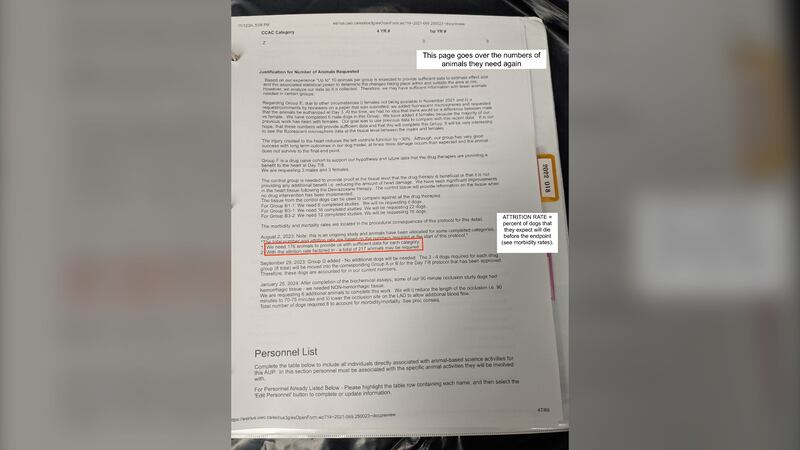
CTV News reviewed documents dated November 2024 showing a request for 217 animals for research studies over four years. The documents indicate the number accounts for animals that may be euthanized during or at the end of the experiments.
Meanwhile, proposed provincial legislation is being discussed that could ban certain experiments on dogs and cats.