Two families from different parts of Canada — the Boulet family from Lethbridge, Alta., and the Dugas family from North Bay, Ont. — are connected through their sons’ generous organ donations.
Both families had sons who were born on the same day, died at a young age and saved many other lives by donating their organs.
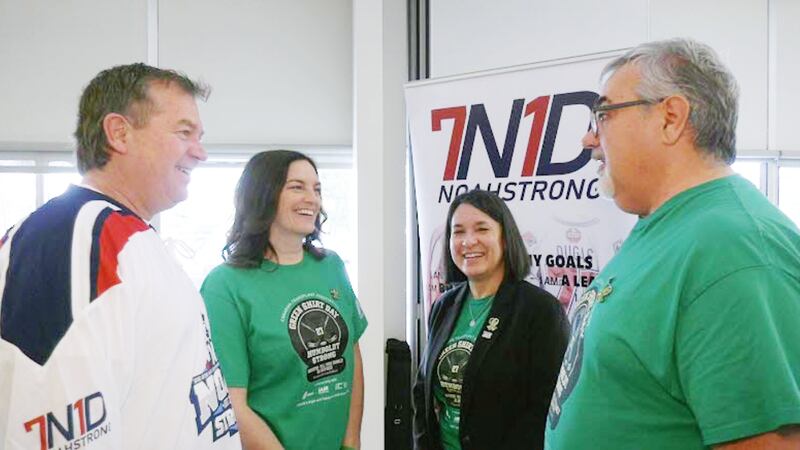
The founders of Green Shirt Day, Toby and Bernadine Boulet, are visiting North Bay and are partnering with Jody and Dave Dugas of the ‘NoahStrong Foundation’ to promote the benefits of registering to be an organ donor.
Logan Boulet was one of 16 victims killed April 6, 2018, in the Humboldt Broncos bus crash.
Logan was the only victim who was in the state to donate his organs, saving six lives in the process.
“He was able to donate his corneas, his liver, his kidneys, his heart and his lungs,” Bernadine Boulet, Logan’s mother, said.
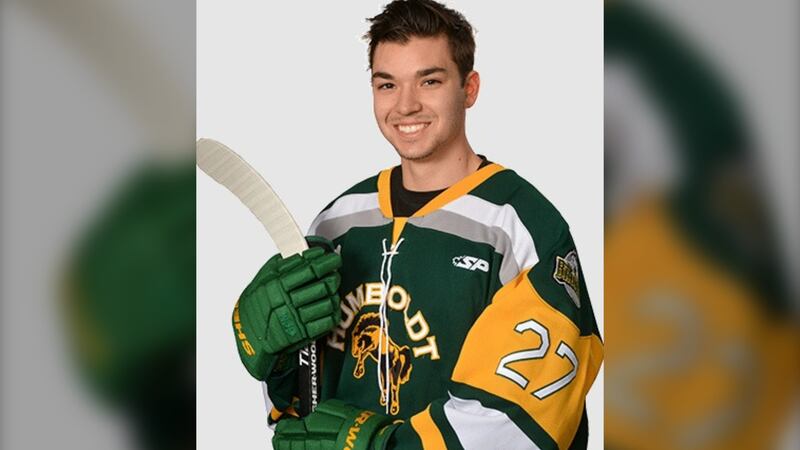
“He has a bit of a legacy and he’s made a difference, which I think is what any of us ever want.”
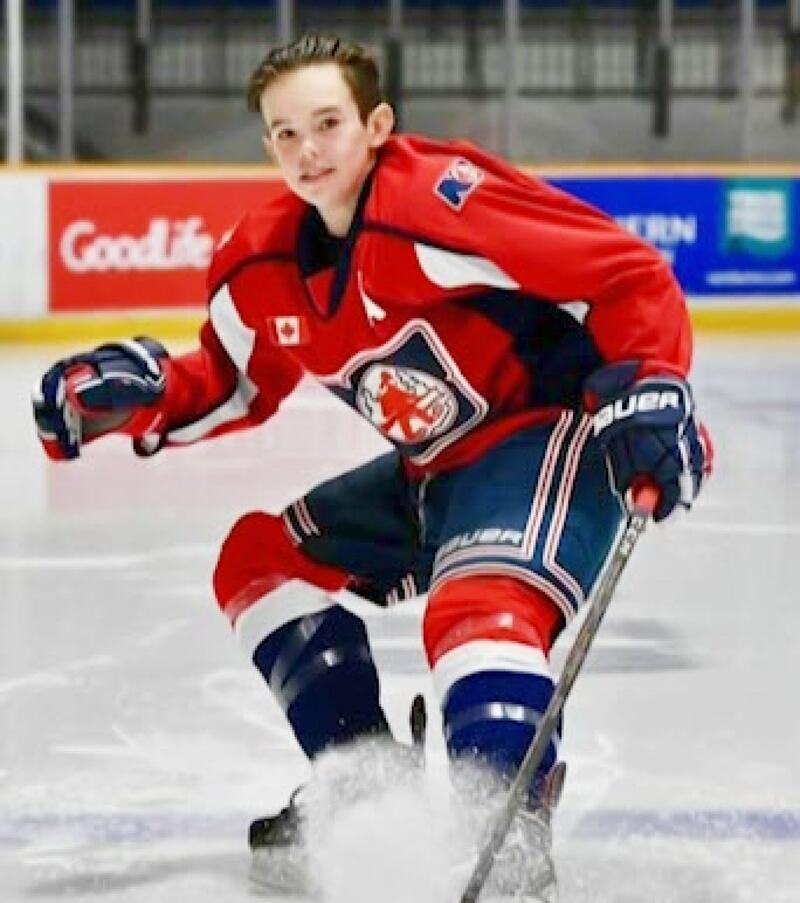
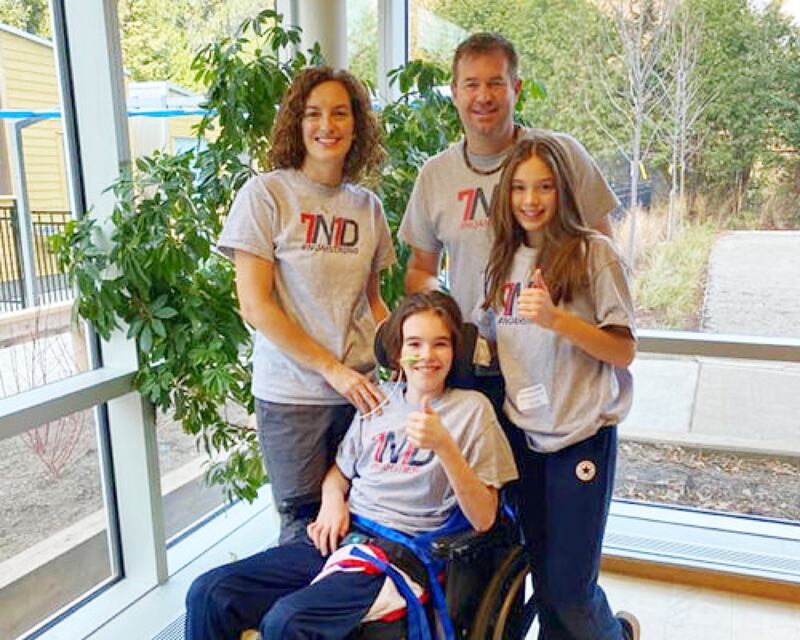
After 13-year-old Noah Dugas died Nov. 13, 2020, from complications following a stroke, blood clots and an unexpected brain bleed, his organs were donated, ensuring seven people are alive today.
“We did receive a letter from the heart recipient, which was an 11-year-old girl who received Noah’s heart,” his mother, Judy Dugas, said.
“So that, for us, was tremendous … This is a big part of knowing that there’s a little bit of him out there.”
In December 2024, the NoahStrong organization received the Logan Boulet Award, which recognizes excellence in recruiting and promoting awareness of the need for blood, plasma, stem cells, organs and tissues.
Green Shirt Day, which runs April 7, was created in Logan’s honour. His choice to be an organ donor inspired his parents to kickstart conversations with all Canadians about the thousands of people on the organ transplant waitlist.
Green Shirt Day is a Canada-wide movement encouraging Canadians to talk with their families about donating organs after death.
Logan’s father, Toby Boulet, remembers sitting on the back deck with his son a year before the tragedy when they had that crucial talk.
“I looked at him and said, ‘Well, you’re going to be 85 years old. No one is going to want your organs.’ And he said, ‘No, I want to be an organ donor,’” he recalled, choking up.
For the next two days, both families are holding what they call “kitchen table” conversations about organ donation registration at schools with Grade 11 and Grade 12 students, and at a community talk with other recipients and donors at 7 p.m. at the Nipissing University Student Centre.
Doors open at 6 p.m. Admission is free.
Stories shared during the evening will highlight the profound impact of organ donation and attendees will be asked to consider how one conversation can save lives.
“The rules are what they call ‘presumed consent.’ If the family doesn’t agree to it, then it stops,” Toby Boulet said.
“So, if you don’t have that conversation to tell your loved ones, I want to be an organ donor, then it’s not going to happen.”
The Trillium Gift of Life Network says 35 per cent, or roughly 4.7 million Ontarians, are registered donors. Since 2003, more than 26,000 people in Ontario have received a life-saving organ transplant.
“This BeADonor Month, we honour the individuals who gave the gift of life through organ and tissue donation, and the families who supported those decisions,“ Dr. Andrew Healey, clinical medical lead, said in a statement.
“Registering is an important first step – it reflects a willingness to help others in need – but it’s equally important to share your wishes with your loved ones. ... When families are aware of your wishes, they are better prepared to respect them."
“It’s surprising how many people really have no idea whether they have kind of checked that box, so to speak,” Dave Dugas said.
In the aftermath of personal tragedies, both families said the gift of life Noah and Logan left behind means they’re alive today in other people.
RELATED STORIES:
- Humboldt Broncos crash survivor brings mental health talk to North Bay
- Green Shirt Day effect still felt seven years after Humboldt Broncos bus crash
- North Bay minor hockey associations honour Noah Dugas
- North Bay remembers Noah Dugas
- North Bay school of late young hockey player unveils banner to honour his legacy
- NoahStrong charity donates $25K to Toronto hospital in honour of late North Bay hockey player

