FREDERICTON — New Brunswick’s largest health authority is trying to combat its hospital overcapacity challenges by creating “diversion teams” to see if a patient could be treated at home, rather than in hospital.
Horizon Health Network’s five regional hospitals are often operating at more than 100 per cent capacity, with patients being treated in hallways, storage rooms and even an ambulance bay.
Now, teams of physiotherapists, occupational therapists and social workers will assess patients who come into the emergency department and see if they could receive care elsewhere or in their homes.
“If we can avoid you having to be in the hospital, we want to do that,” said David Arbeau, who oversees Horizon’s operations, patient flow and ambulatory care. “And that just protects patient days for other people who really need to be in hospital.”
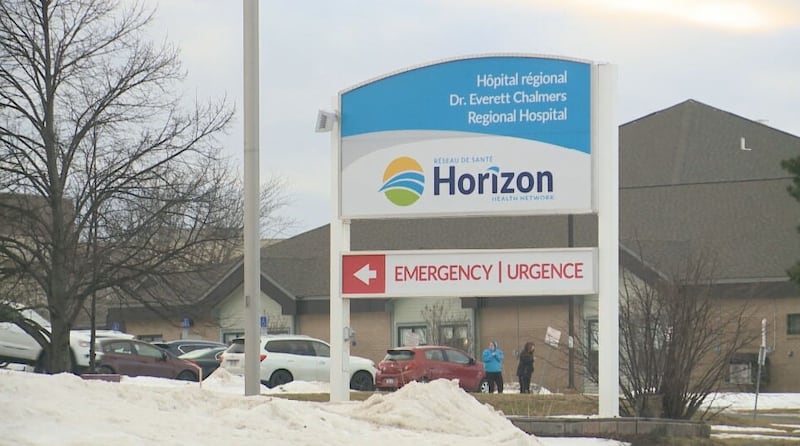
The initiative is being tried in Miramichi, Fredericton, Saint John and Moncton.
Arbeau said many of the patients are elderly, and their loved ones need more support at home to care for them. That’s when diversion team members can connect them with home support care in the community, so that they can return home instead of being admitted to hospital.
Other times, it’s a person whose treatment could be administered from their home.
“Perhaps an infection is going on that, IV antibiotics could be treated at home, and they just didn’t know that,” he said.
The overcapacity issues stem from a problem that’s plagued the system for years: patients waiting in hospital for long-term care beds. Right now, 37 per cent of beds are being used by those patients.
This new approach was launched in December. As of March 8, it’s diverted 230 people from being admitted to hospital, saving 3,600 hospital days and an estimated $3.3 million.

Providing primary care in the ER
One Saint John-based emergency physician calls the approach a good idea on paper, but warns it will take more time to see if it’s truly successful.
Dr. Fraser Mackay is the chair of the rural, remote and small urban section of the Canadian Association of Emergency Physicians, and said he often finds himself providing primary care in the emergency department.
“On my 11-hour shift yesterday, I would conservatively estimate I spent three hours with just a very small handful of patients and their families, trying to help negotiate all the different things that they needed for elderly patients that didn’t have access to appropriate resources,” he said.
Those patients and their families didn’t know where else to go – so they landed in his ER.
It’s a problem Mackay said many of his Canadian colleagues are coping with: “the wrong care in the wrong place at the wrong time.”
The health-care critic for the Progressive Conservative Party of New Brunswick also questions if there are enough services in the community to refer these patients to.
Bill Hogan said his riding has more “unattached” constituents – those without a family doctor or primary care provider – than any other. He applauds new ideas, but worries community services are not fully resourced and ready.
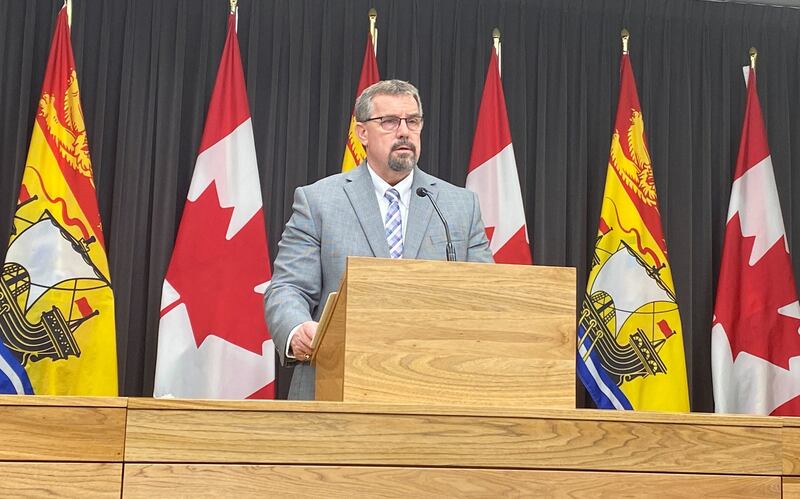
“There needs to be a lot more information provided of what that looks like, how that’s going to work, and how we’re not endangering patients’ lives by sending them back out into the community, where they couldn’t get the service in the first place,” he said.
Horizon Health said the strategy could divert between 600 to 1,000 patients each year and save the network $8.6 million annually.
Its success is being tracked. The health authority is monitoring if patients return to the emergency department within 90 days.

