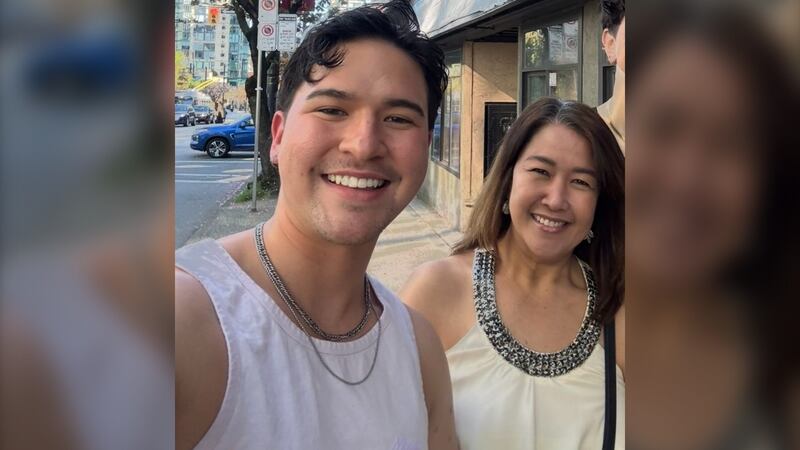
Eleven months ago, Helgi Bjarnason’s mom Vicky was killed when a driver plowed into a crowd of festivalgoers at the Lapu Lapu Day event in Vancouver.
“It’s probably the worst thing that could ever happen to any son or daughter to lose their mom,” said Bjarnason, who was with his mother at the festival and suffered a badly broken leg that hasn’t completely healed.
“I’m at that point where I’m starting to accept that it will never be the same again,” said Bjaranson.
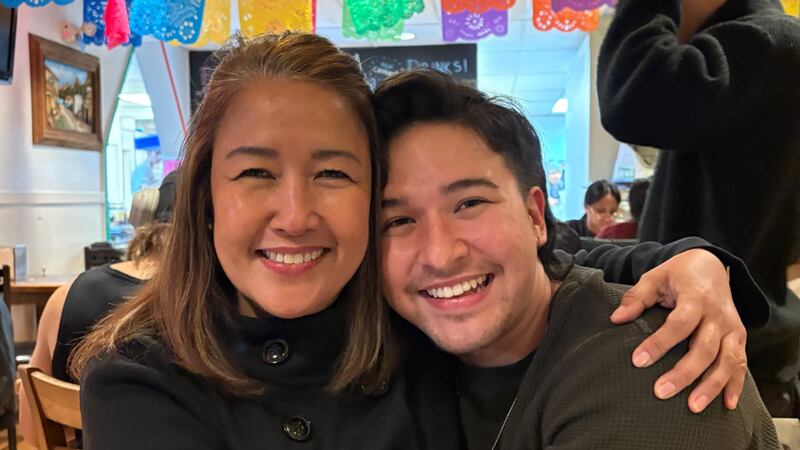
The 27-year-old has yet to return to his job as an occupational therapist, relying on money from an online fundraiser that a friend created right after the attack to pay his bills.
“The GoFundMe is the only reason I get to live a little normally and not struggle for my day-to-day expenses,” said Bjarnason.
Many Lapu Lapu Day attack survivors and their caregivers were expecting to receive money from the United Way’s Kapwa Strong fund, which raised nearly $2 million from the public to support those impacted by the tragedy. But that hasn’t happened.
“The people who donated to this agency thought that it would go directly to the victims, but it has not. None of the victims have received this almost $2 million dollars,” said Bjarnason.
Instead, the United Way distributed the funds to other non-profit organizations.
“We are not the best set up to support financial contributions to people. We don’t have the information, we don’t have the skill set to identify what kinds of compensation would look like,” said United Way BC chief program and impact officer Kim Winchell.
“Our role is to support, and the way in which we support is through those caring, trusted non-profit organizations who are providing support to people who were impacted.”
Winchell said the nonprofits that received funds did help people impacted by the tragic events that night, and provided several examples.
“There were senior Filipino men who were retired nurses who were volunteering that day at the event. They were there to support cuts and bruises, and what they actually did was provide lifesaving measures to people who were hit by that car. And they were traumatized by that event, they could not leave their house. And what we did is we worked with an organization to provide a space where they could come together and heal,” Winchell said, adding youth who witnessed the carnage that night also received mental health help from groups that received funds from the United Way.
Bjarnason argues the funds would have been better spent on victims still healing from physical and psychological wounds, and dealing with the financial impacts of their injuries.
“A couple of foundations messaged me asking if I need any help for therapy, for this and that. And I’m like, ‘No, just distribute the money to their families.’ Most of us are struggling with groceries, rent, gas, day-to-day expenses,” Bjarnason said. “I’m lucky I get to walk, I get to go outside and stuff. But that’s not the case for the other victims. And I’m not speaking here just for myself, but for all the people who are affected by Lapu Lapu.”
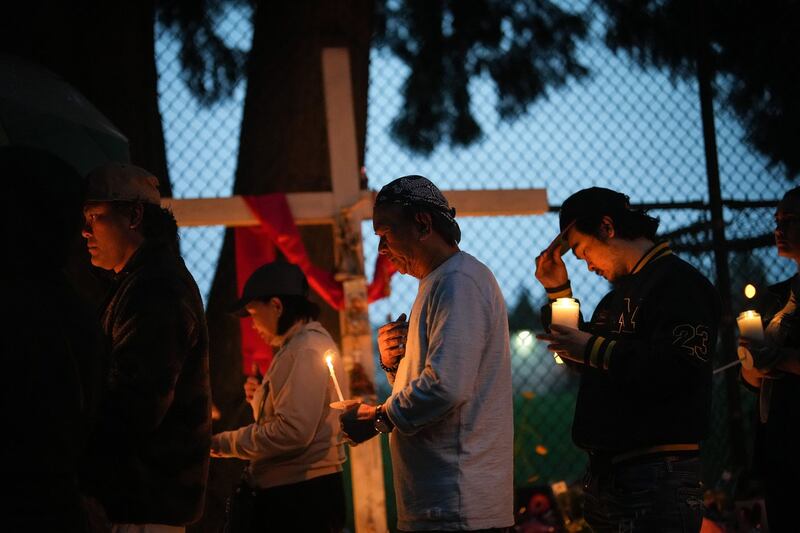
Winchell says the United Way understands the frustration felt by Bjarnason and other survivors with life-altering injuries.
“In any tragedy, we will listen and look back and learn from this. And at the same time, we’re proud of the work that we’re doing to support people who are traumatized and our role in that around medium and long-term recovery,” she said.
Bjarnason is also upset that Filipino BC, the group that organized the Lapu Lapu Day Festival where the attack occurred, is holding a day of Togetherness on April 19 that it says will focus on community healing.
“I think it’s super insensitive. When they released that they consulted the families of the victims and the victims? No, they did not. No, I did not receive any questions. No one reached out to the families, to me, no one,” Bjarnason said.
In an email, Filipino BC said, “Everyone experiences grief and healing in their own way, on their own time, and we understand that some individuals feel it may be too soon to hold a gathering this year. We have also been deeply encouraged by the overwhelming positive response from community members who wish to come together, and we warmly welcome anyone who feels ready to join and take part.”
Bjarnason is anticipating a lot of intense feelings as the anniversary of the April 26, 2025 attack approaches.
“It’s scary to think that, oh my God, it’s this time of year again,” he said, adding his PTSD has not subsided and he’s frightened by sudden vehicle noises. “I don’t want to go to any memorial. I don’t want to remember it. I just want to be with family and be there for each other.”
And he wants to remember his mother, who spent her last moments enjoying the festival with her sons.
“I hear her voice sometimes when I’m feeling down. Just what a mom would say to their kid who’s struggling,” Bjarnason said. “I’m trying to be strong for her.”