Surging diesel prices linked to the war in Iran are driving up costs across Canada’s trucking and transportation industry, with company owners and drivers warning the spike will inevitably be passed on to consumers.
A single long-haul truck can hold about 1,000 litres of diesel, now costing roughly $2,300 to fill in Toronto — about $700 more than before the conflict began.
Fuel can account for as much as 30 per cent of overall transportation expenses, said Rebecca Huebsch of CSA Transportation, who noted the cost to haul a load from Toronto to California, has jumped sharply in recent weeks.
According to Huebsch, the price for that route has risen from $5,000 last month to about $7,000 today and she says the increasing costs will eventually filter down to consumers.
“It means that the cost of products is going to go up,” says Huebsch.
“The more that vendors have to pay us to move their goods, especially cross border, the more that we’re going to be paying for goods.”
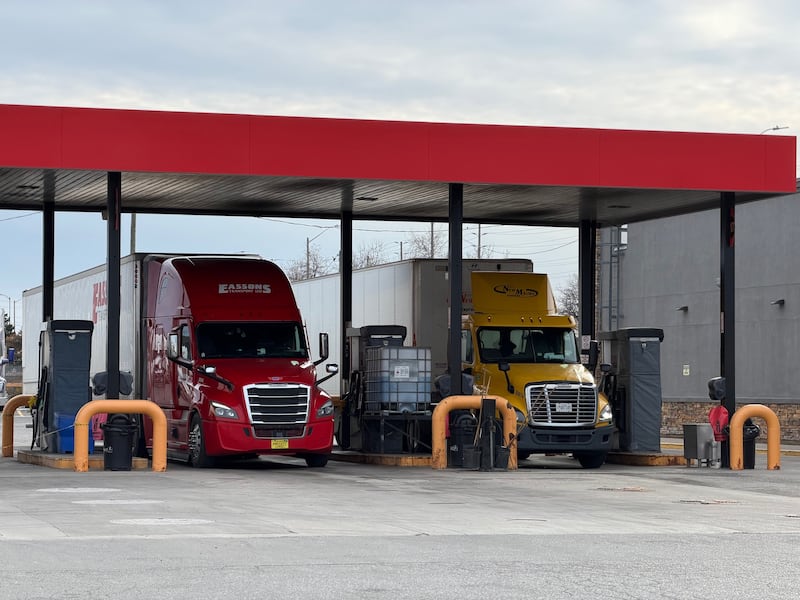
CSA Transportation does not impose a fuel surcharge, but raised its freight rates earlier this week in response to volatile fuel markets. Huebsch said the company typically reviews pricing about once a month, but is now adjusting rates every seven days.
“We don’t know when it’s going to end, and you’re kind of every day flying by the seat of your pants.”
She said business started the year slowly before being hit by rising fuel prices and added she expects little relief in the near future.
“I don’t think this is going to be fixed for quite some time. And I think at the end of it diesel is just going to be higher.”
CSA Transportation operates 15 shipping terminals across Canada and the United States, moving goods ranging from clothing to dry foods and health supplements.
“We move everything and anything you can imagine,” says Huebsch.

The company employs 220 people, including 80 local drivers, and relies on partner trucking firms to move freight. Huebsch said those partners now want to be paid more, compounding pressure on an industry already grappling with tariffs.
“Some of them are charging 40, 50, 60 ,70, we even saw an 80 per cent fuel surcharge one day,” says Huebsch.
Diesel powers the trucks that transport most goods across the country, making fuel prices a critical factor in the broader economy.
Truck driver Mohit Bajaj said he was stunned when he recently saw diesel priced at $2.29 per litre.
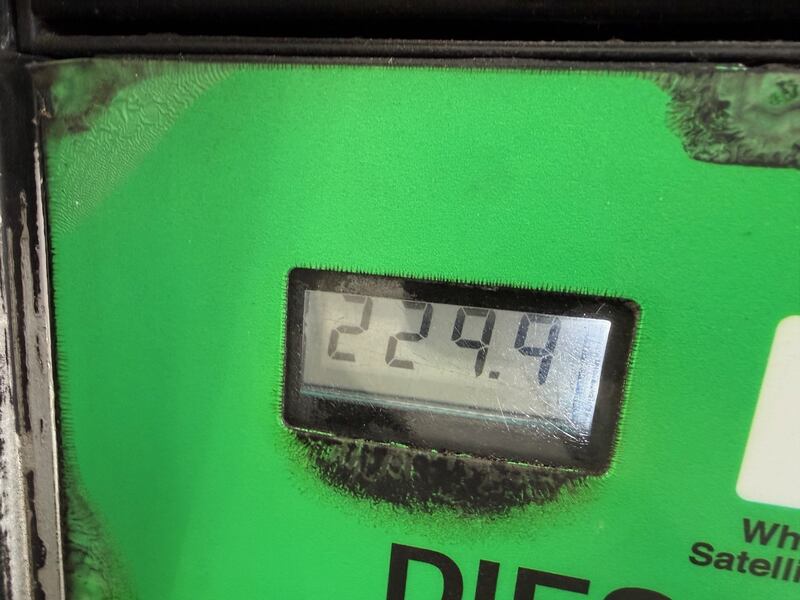
“It’s so high,” he said, noting the huge difference from a few weeks ago when it was closer to $1.60.
While his employer covers fuel costs, Bajaj said higher prices could slow shipments and reduce overall economic activity, leaving drivers with fewer kilometres to log.
“I have to worry because when diesel is going high I have less miles.”
He said drivers have no clear sense of when prices might come down, because there is no sign as to when the war could end.
Owner and operator, Vanit Puri, who runs four trucks, said the spike in diesel prices is hitting his business directly. He estimates fuel costs have risen by about $1,000 per truck each month.

“I’m taking on that pressure myself,” says Puri. “My credit cards are getting full.”
Puri said his trucks transport food to northern communities and is urging governments to provide tax relief on diesel.
“All I’m saying is please help.”

