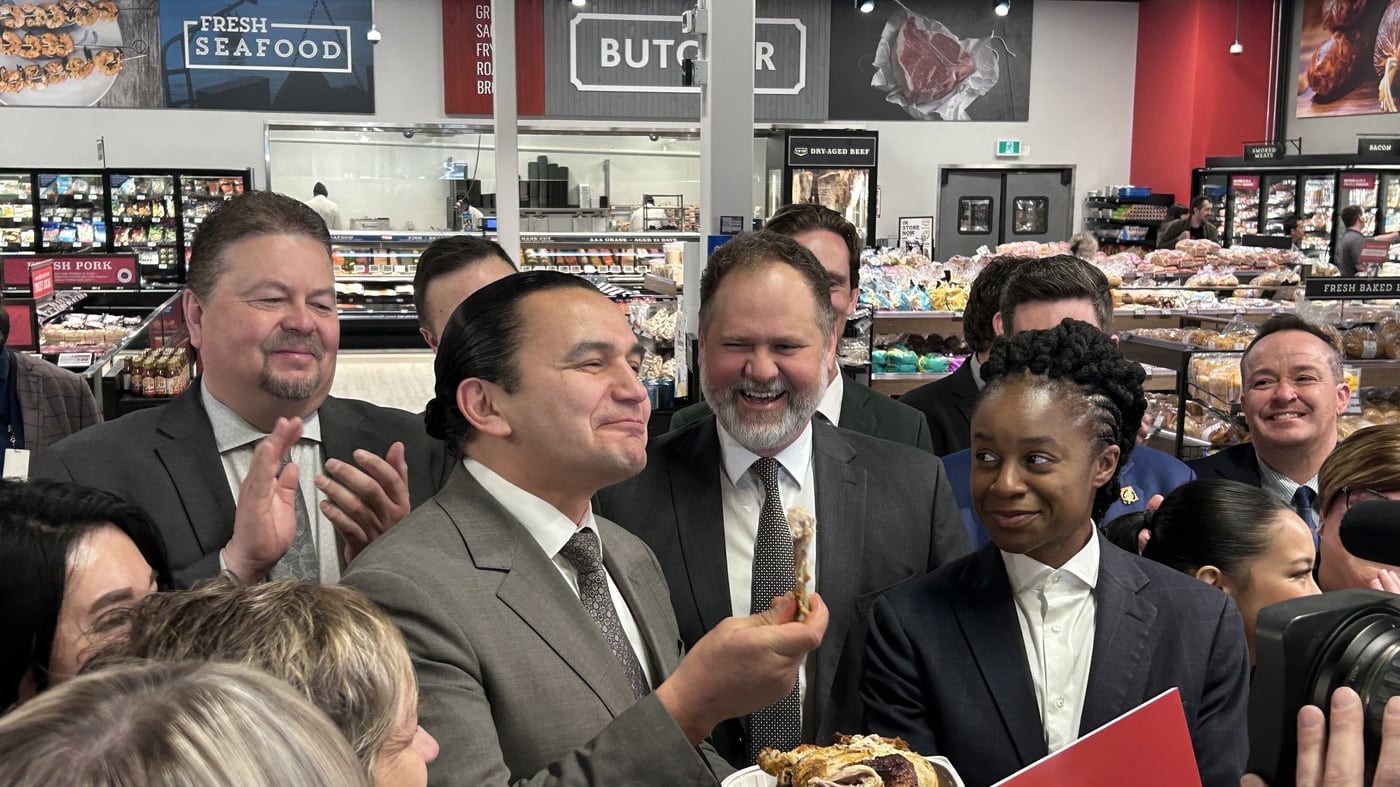
Ready-made meals may soon come with a tax break in Manitoba, but the restaurant industry worries this shift could turn customers away from their tables.
Earlier this week, the Manitoba government announced its plans to eliminate the provincial sales tax (PST) on all food items in the grocery store starting July 1, under its latest budget.
While basic groceries are already tax-exempt, the new measure would extend the exemption to prepared foods, but only those sold in grocery stores.
That means shoppers buying similar ready-made items from convenience stores, small retailers, or restaurants will still pay the PST.
“Where is the fair in that?” said Tony Siwicki, who is the owner and operator of Winnipeg’s Silver Heights Restaurant. “We are just as much a go-to for all families and more so now for quick service, and quick meals on the go.”
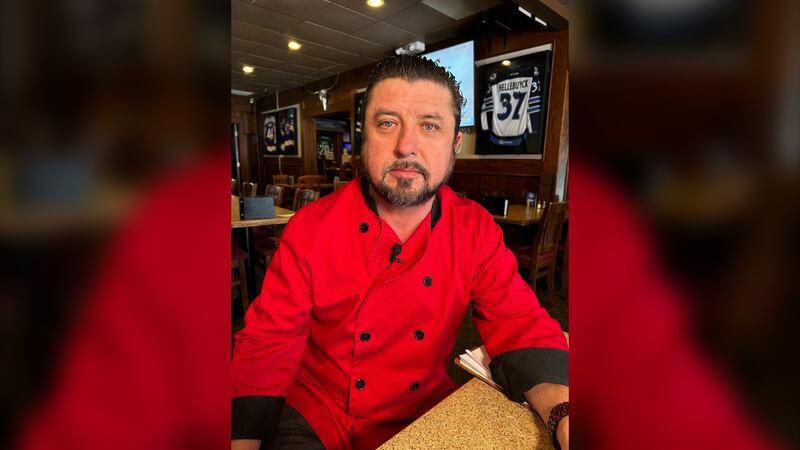
Siwicki says excluding restaurants from the tax break “doesn’t make any sense,” especially as operators continue to face rising costs.
He explains margins for restaurant owners are already tight as it is.
“The only things that are not going up are the prices on our menus, because we can’t keep adding more money to our customers,” Siwicki said. “Margins get thinner, and thinner, and thinner, to the point where they don’t even exist.”
“It’s not about profit, it’s about survival, and that’s what really restaurants are doing right now,” he said. “Some restaurants are closing because of it, so to exclude us in any kind of help in the budget was a missed mark.”
Last year, a temporary federal GST break on select items, including food, ran from Dec. 14, 2024, to Feb. 15, 2025, offering some relief to businesses and consumers.
‘Hoping for this relief again’
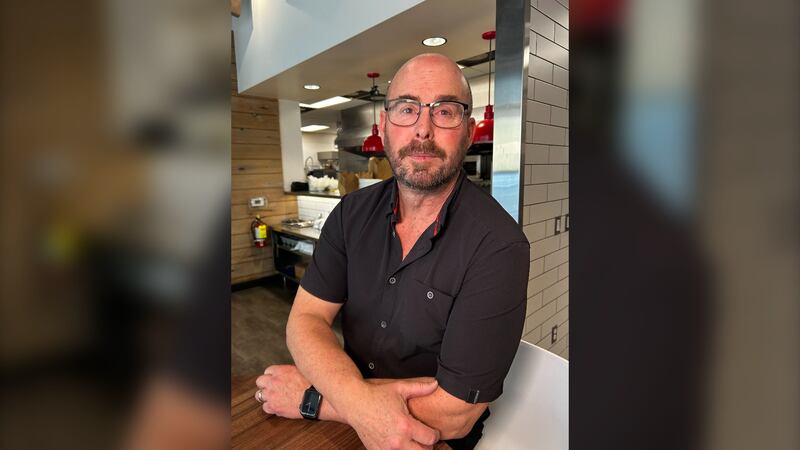
Greg Gunnarson, who is the co-owner of Winnipeg’s Capital Grill and Bar, says the tax break last year significantly helped his bottom line, and is having a hard time understanding why restaurants like his were left out this time around.
“Any kind of initiative like that is good when it comes to tax breaks,” Gunnarson said. “Everyone is looking to save a little bit. Hopefully, they reconsider.”
Takeout currently makes up about 15 to 20 per cent of his business, and he worries the policy will cut into that share.
“I’m a little concerned,” Gunnarson said. “We feel it will have a direct impact in our business. We are still recovering from COVID. Business has not bounced back 100 per cent and any revenue stream is valuable to us.”
‘The budget we brought in is about fairness’: Manitoba Premier
Manitoba Premier Wab Kinew defended the decision, saying the policy is designed to help those most affected by rising living costs.
“We love the restaurant industry; they do great work,” Kinew said at a press conference on the PST cut earlier this week. “A lot of low-income Manitobans can’t go out to eat, but they are still going to go to the store.”
“Saving money for your family on all food and drinks from the grocery store, that’s a way to help everybody,” he said. “That’s a way that we can make sure we are helping with the cost of living and helping with fairness.”
Industry groups pushing back
Business groups argue the policy creates an uneven playing field.
“This is not just a technical gap in policy, it is a fundamental fairness issue,” said Tyler Slobogian, senior policy analyst for both the Prairies and Northern Canada at the Canadian Federation of Independent Businesses (CFIB) in a statement.
“By limiting the exemption to larger grocery stores, the government is effectively picking winners and losers in the food sector. Some small retailers and restaurants are being put at a clear and avoidable disadvantage.”
Restaurants Canada agrees and says the budget fails “to exempt all food, including restaurant meals.”
“Exempting prepared meals sold at grocery stores from PST, but not those sold at restaurants, would hurt consumers while putting restaurant businesses and their workers at risk,” said Kelly Higginson, president and CEO of Restaurants Canada in a statement.
“Many Manitobans depend on restaurants for their daily meals, as well as for their livelihoods. We call on the Manitoba government to include restaurant meals in the planned PST exemption.”
Shiu-Yik Au, an associate professor in accounting and finance at the University of Manitoba, says the decision from the Manitoba government could influence consumer behaviour.
“If you’re a family trying to take your family out for dinner and you’re watching every penny, you might consider trying to bring home a chicken from Costco, or a grocery store, and save that little bit of extra money,” Au said.
Sylvain Charlebois says the decision to cut the PST for food items at the grocery store is a good thing but criticizes the government for not expanding the list further.
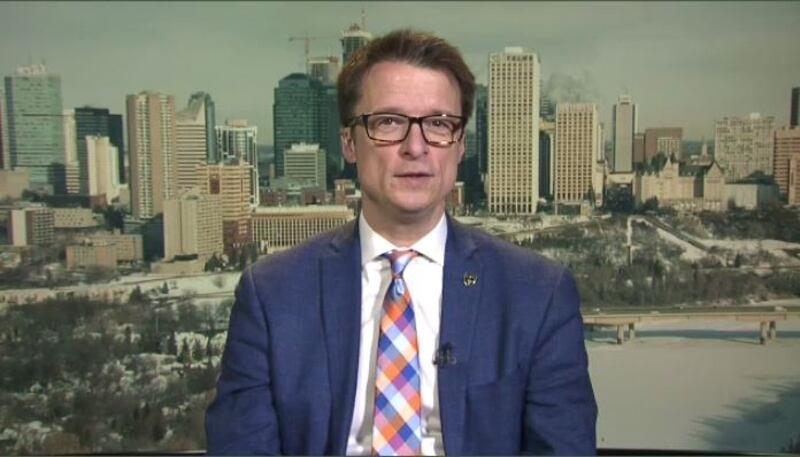
“Restaurant operators will likely complain or want will want to meet with the government to talk about what will happen with the PST in food service particularly,” Charlebois said, who is the director of the Agri-Food Analytics Lab at Dalhousie University.
‘Go back to the drawing board’
Siwicki says he will continue to operate and serve his customers as best as he can but is urging the government to reconsider their decision.
“If we had this tax exemption, which is seven per cent, that goes back into us buying more product from our local suppliers and vendors, and it allows us to pay our staff more, and open more hours,” he said. “Little things help in the long-term.”
“They know they can do it, they have already done, so why not allow it for our industry as well.”

