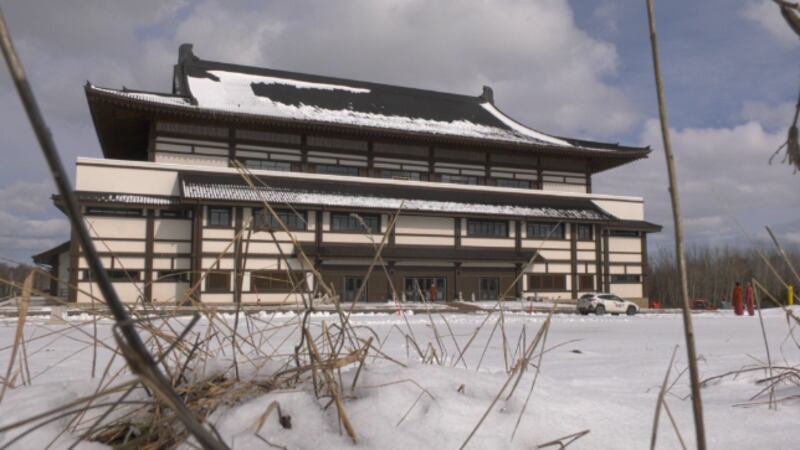
MONTAGUE, P.E.I. -- A group of Buddhist monks in Prince Edward Island is opening one of its monasteries to the public, hoping a closer look at where they live, study and pray will ease years of suspicion and scrutiny.
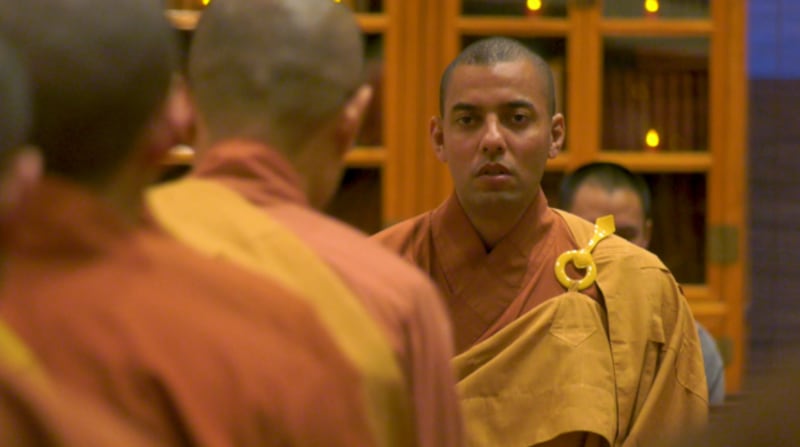
The Great Enlightenment Buddhist Institute Society, or GEBIS, has been hosting free tours of one of its campuses since January. More than 100 visitors have been invited inside the monastery nestled in the hills of the Island’s Heatherdale neighbourhood in Montague. CTV News was granted access to film the tour and attend a night prayer.
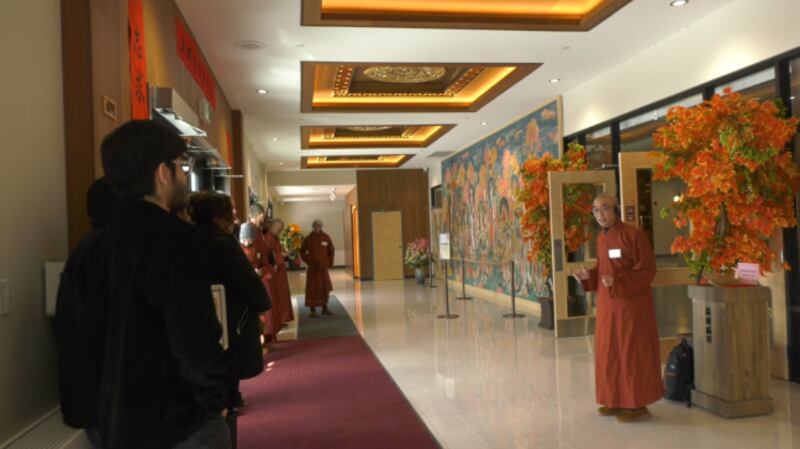
“Prince Edward Island is always watching who’s not from here. It doesn’t matter who it is,” said one of the guests, Charlie DesRoches, standing under a coffered ceiling in the visitor building with wood trim and ornate gold medallions. “They’re hospitable, Islanders. Friendly. But they’re cautious.”
DesRoches has spent the last three years getting to know the group. There are around 700 monks on the Island, according to their estimates, and another 600 or so nuns who belong to the Great Wisdom Buddhist Institute, or GWBI. Both are at the centre of a long-standing land saga.
The Island Regulatory and Appeals Commission is investigating whether the monks and nuns own more land than is allowed under provincial law. P.E.I.’s Lands Protection Act caps corporations’ aggregate holdings at 3,000 acres. The groups have maintained that they are well below legal limits.
But some politicians and citizens’ lobbies claim that GEBIS and GWBI fall under a larger organization called Bliss and Wisdom, and their collective land holdings should be attributed to one corporation and could be breaking rules. The monks say their affiliation with Bliss and Wisdom is purely religious.
Last year, the RCMP said it would once again review allegations of foreign interference and money laundering involving Buddhist groups on P.E.I. in light of new information.
It came after the premier released a letter calling on Canada’s national police force to further investigate, citing “troubling” suggestions the province has been used as “a forward operating base for the Chinese Communist Party.”
The RCMP said it’s been aware of the allegations since 2015, and that earlier investigations found no evidence of criminality and were concluded as unfounded.
The monks reject those claims, along with other speculation.
“Some people say there’s secret computers with secret spying machines, stuff like that,” said Venerable Walter Tsai. “I think the best way to explain is for people to come in and see us. That’s the best way for them to understand us.”
For years, the monks have been expanding community efforts and, more recently, welcoming people into their sacred spaces.
During the public tours, Islanders are shown the dining hall where the monks share meals, along a wraparound balcony overlooking the greenhouse and wheat field, as well as the dormitories where they sleep. Visitors learn about traditional art, including paintings brought from Taiwan and margarine sculptures made in house.
They’re also welcome to ask questions about the curriculum, ring temple bells and play ceremonial drums. Then they’re shown a presentation about one monk’s path to the faith, and to the Island, which was chosen for its serenity. It ends with a voluntary 10-minute meditation.
“I’d never seen anything like it before in person,” said Jaime Tinoco Bolanos, who visited with family members. “I thought, why not give it a try and come myself.”
Most of the monks are from Taiwan, with others from places including China and Singapore. Some had shorter journeys, hailing from P.E.I.
“There’s no rumour I haven’t heard, if I can put it that way,” said Venerable Eli Kingston. “I’m an Islander myself, so I can understand Islanders’ curiosity.”
Kingston said many of the monks joined the monastery to focus on studying and praying, not necessarily to participate in public outreach or media interviews.
“We realized very quickly that because community is so strong here, and the connection with people is so strong, we can’t just stay in the monastery.”
While some monks feel “sad, worried and even frustrated” at times, Kingston said the group’s spiritual teacher, Zhen Ru, urges them to stay compassionate and helpful, even to those who criticize.
The efforts to increase transparency, Kingston said, are in part a direct response to the allegations. But more broadly, a commitment to their core values.
‘To us, opening means reaching out’
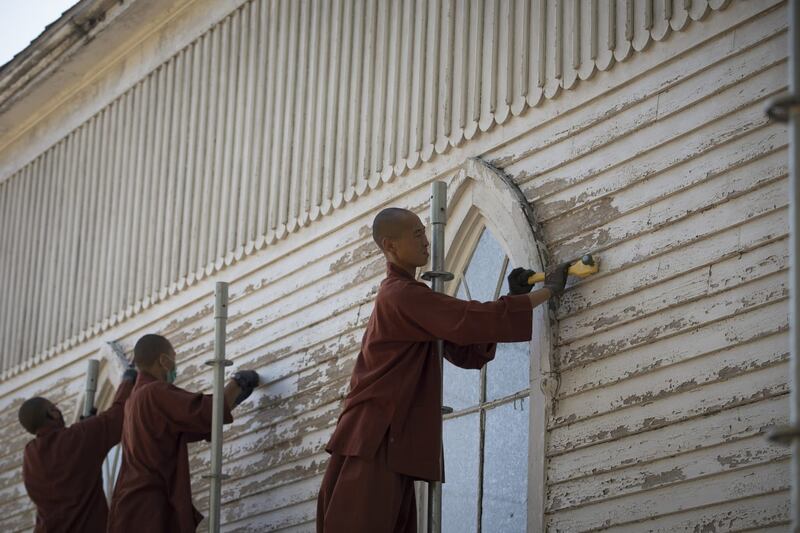
Venerable Panny Lai recalled getting a call from a neighbour asking if the monks could help refurbish a local church. They quickly gathered a team of 30 to scrape old paint off the exterior walls. When the work was done, members of the community began sharing what the space meant to them. Some had been married there, attended worship services or gone to Sunday school.
“It was more than just a building. We were helping to bring back memories,” Lai said. “To us, it’s pure joy to benefit others, and also serving others.”
Venerable William Shu said the monks have delivered more than 4,000 free food boxes across the Island through their campaign called End Hunger in P.E.I., which began in 2015. Each box is filled with homemade bread and produce grown on their land to feed an average family.
“To us, opening means reaching out, helping our friends and helping our community,” Shu said.
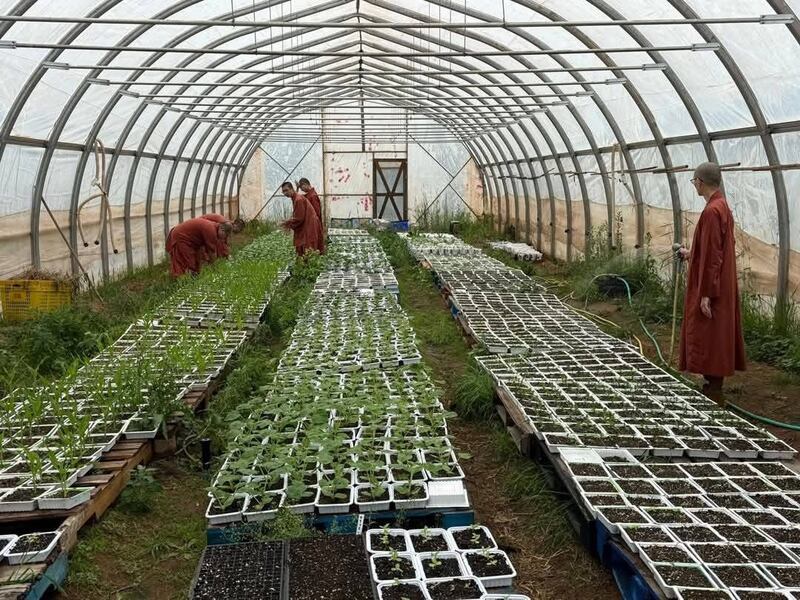
The monks also bake and send out crates of bread rolls and loaves to local food banks and schools. A few years ago, they launched another initiative, giving away free vegetable seedlings. In 2025, they estimate 10,000 plants found new homes.
“It reminds us, and our teachers always tell us, to keep doing the right things, no matter what people may say.”

