Food banks across the country are being forced to scale back services at a time when Canadians need them the most, due to limited supplies.
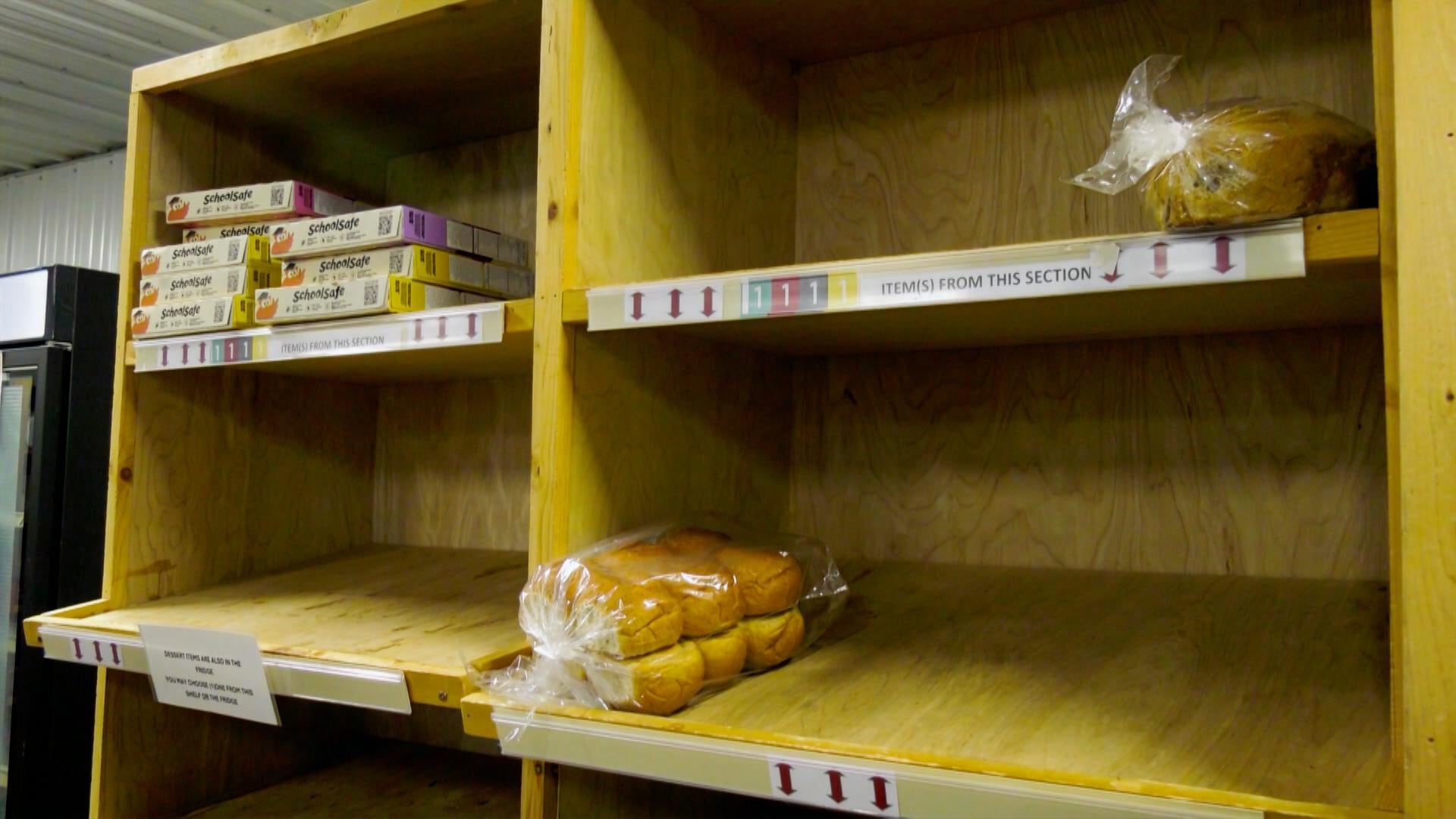
In southern Saskatchewan, the Moose Jaw & District Food Bank plans to limit households to just one visit a month instead of the usual two, beginning April 1. They will also reduce the amount of food handed out to each visitor.
“Our resources aren’t keeping up with the demand,” said executive director Jason Moore in an interview with CTV Newsthis week.
In the last four years, the number of visits to the Moose Jaw food bank increased 150 per cent, according to Moore.
He says the high cost of living has played a major role in the growing demand for food banks, noting every month the organization sees 50 new households signing up for its services.
Donations can’t keep pace
Over the years, donations have stayed steady, Moore said, but they haven’t kept pace with demand.
“This is an issue that goes beyond just an increase in donations. Our community has been incredibly generous for 40 years. They’ve sustained our organization,” he said.
“To expect a community this size to be able to continue to donate more and more to keep up with this demand I think is unreasonable.”
‘Having to do more with less’
Last year, more than half of Canada’s food banks were forced to reduce the amount of food they handed out, according to the Hunger Count 2025 report. Nearly a quarter of food banks ran out of food before meeting the needs of visitors.
“There’s no area that’s immune to this,” said Dan Huang-Taylor, executive director of Food Banks B.C.
Food banks in B.C. have faced record demand every year since 2019, Huang-Taylor said. But in the last 12 months they’ve noticed another troubling trend.
Ninety per cent of B.C. food banks have seen a drop in the amount of food donations, and 80 per cent have noticed a dip in the amount of cash donations coming in.
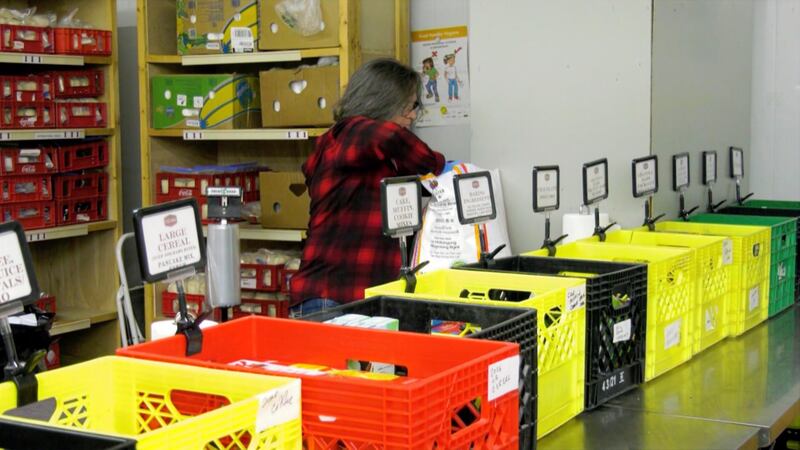
“They’re having to do more with less and that’s just not sustainable,” he said.
The root causes of food insecurity need to be addressed through policy changes at different levels of government, Huang-Taylor said, before these troubling trends can be reversed.
Moore agrees and says an increase in donations alone likely won’t dig the Moose Jaw food bank out of the hole.
“We need to see systemic change. I think there needs to be some serious action taken where people’s wages and income supports match the cost of living,” Moore said.