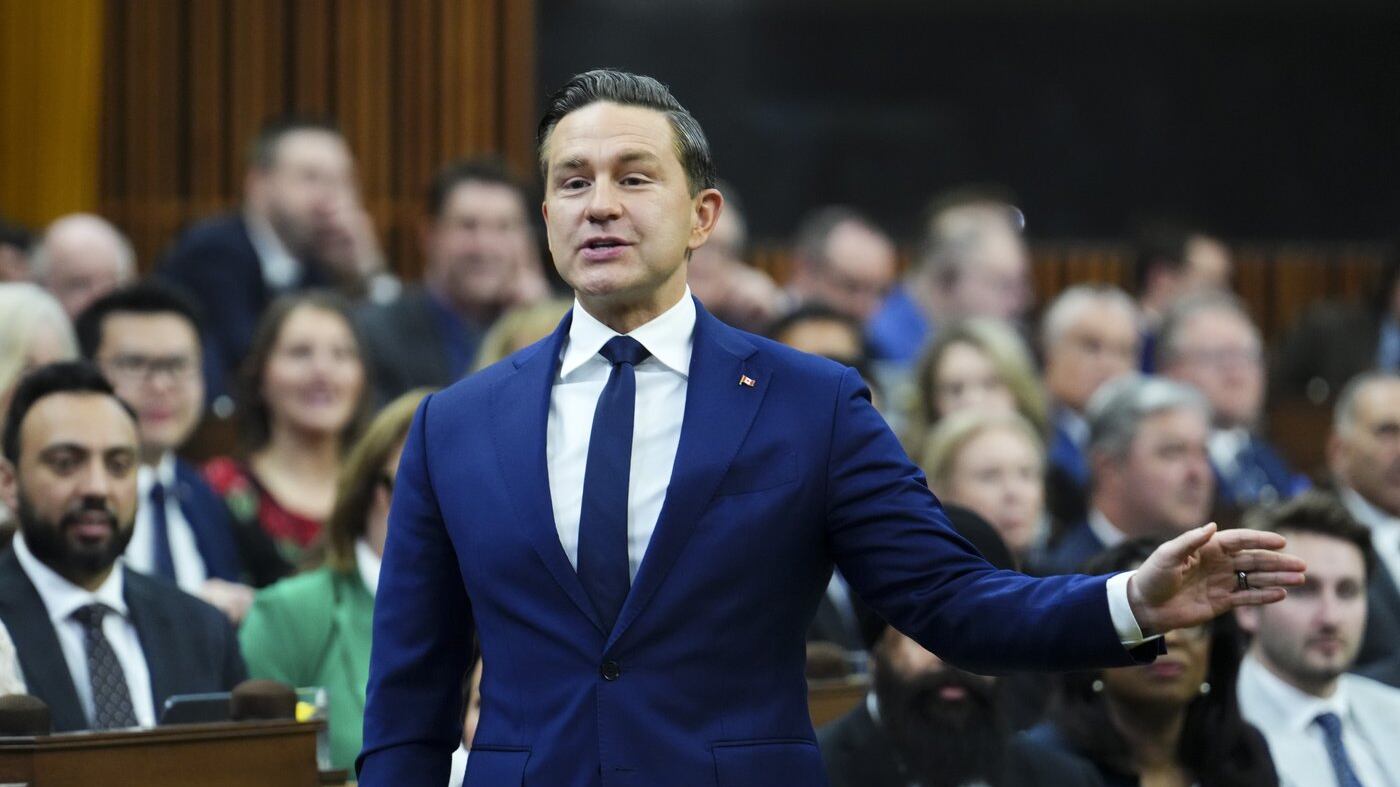
The byelection that returned Conservative Leader Pierre Poilievre to Parliament cost taxpayers more than $2.3 million, according to estimates released by Elections Canada.
When Poilievre’s Conservatives were defeated in the April 2025 federal election, the Conservative leader also lost his Ottawa-area riding by more than 4,500 votes to Liberal newcomer Bruce Fanjoy. After more than two decades in Parliament, the loss was a major upset for Poilievre, who was first elected to the House of Commons in 2004, just after his 25th birthday.
Following the defeat, Poilievre quickly announced that he would seek re-election in the Battle River-Crowfoot riding in Alberta, which is one the safest Conservative seats in the country. Before resigning to make way for Poilievre, Conservative MP Damien Kurek handily won the seat in April with nearly 83 per cent of the vote.
Held on Aug. 18, 2025, Poilievre won the byelection with more than 80 per cent of the vote. According to a new report from Canada’s chief electoral officer, the total estimated cost of the Battle River-Crowfoot byelection was $2.342 million.
In a statement to CTVNews.ca, Conservative Party of Canada communications director Sarah Fischer pointed out that byelections represent only a tiny fraction of federal spending.
“Byelections are a part of the democratic process,” Fischer said. “That includes the cost of the byelection currently happening in Scarborough Southwest because the Liberals appointed sitting MP Bill Blair to a patronage appointment overseas.”
Second most expensive byelection since 2022
Including Battle River-Crowfoot, the 12 federal byelections held since 2022 have cost taxpayers an estimated total of $21 million, or an average of more than $1.75 million each, according to Elections Canada data. The Battle River-Crowfoot byelection was the second most expensive byelection in this period, following the June 2024 byelection in Toronto–St. Paul’s, which cost an estimated $2.47 million.
Held to fill vacant seats in Parliament, byelections can occur for a variety of reasons, including when an MP retires, resigns or passes away. Associated costs include ballot printing, office and polling station leases, communication campaigns, hiring temporary elections staff, deploying IT infrastructure and the partial reimbursement of eligible campaign expenses.
“The length of the election period and the location of electoral districts can impact significantly the costs related to a byelection,” an Elections Canada spokesperson previously told CTVNews.ca. “For example, the Greater Toronto area will have higher than average costs.”
Thanks to the Longest Ballot Committee, which advocates for electoral reform, more than 200 candidates were listed in the Battle River-Crowfoot byelection, which also would have driven up costs.
According to Elections Canada, the cost per registered elector for the Battle River–Crowfoot byelection was an estimated $26.85. That’s 28 per cent higher than the historical average of $21.02.
“This increase is explained primarily by cost factors that rose at a rate higher than general inflation, as well as by the longer 49-day electoral calendar for the Battle River–Crowfoot by-election, compared with the usual 36-day period for a by-election,” the Elections Canada report explained.
Three byelections scheduled for 2026
Three more federal byelections will be held on April 13 in the Quebec riding of Terrebonne and the Toronto ridings of University-Rosedale and Scarborough Southwest. Poilievre has said that his party will focus on affordability and the cost of living in the three races.
“We will be running candidates on the platform of making Canada affordable at home and stronger at home,” Poilievre told reporters in Ottawa earlier this month. “We think that the No. 1 issue in all three of these communities is that people can’t afford to eat.”
Duff Conacher is the co-founder of Democracy Watch, a non-profit that advocates for democratic reform and government accountability.
“The federal election law should be changed to require the party to pay the costs of a byelection when the only reason the byelection is being held is so the party’s leader can have a seat in the House of Commons,” Conacher told CTVNews.ca. “Party leaders have the power to choose what riding they will run in each election, and if they make the wrong choice … the public shouldn’t have to pay the costs of those decisions.”
Conacher also believes political parties should bear at least some byelection costs if an MP resigns as part of a career change. That could include former Liberal MPs Chrystia Freeland and Bill Blair, who recently left Parliament to pursue other posts.
“MPs who resign soon after being elected solely to make some career move should realize that they are sending a clear message to voters that they are insincere and self-interested and are fine with wasting the public’s money,” Conacher said. “If an MP resigns within the first two years after an election … so the MP can pursue some self-interested career move, then their party should be required to pay at least part of the costs of the byelection to elect their replacement.”
Franco Terrazzano is the federal director of the Canadian Taxpayers Federation, a non-profit taxpayer advocacy group.
“The last thing we’ll ever complain about is the cost of putting ballots in boxes,” Terrazzano told CTVNews.ca. “There are lots of other places for the government to cut before it starts thinking about reducing democratic participation.”

