The Liberal government’s voluntary gun buyback program for soon to be outlawed weapons will likely miss its mark.
More than 2,500 models of assault-style weapons will be banned in October, but the deadline to apply for compensation expired on March 31.
Not including administrative costs, the federal government has set aside $248.6 million to compensate gun owners. The amount allows the government to pay for approximately 136,000 outlawed firearms.
But data provided by Public Safety Canada, shows that as of March 27, 32,406 people signed up to participate in the program. They declared a total of 57,440 firearms, roughly 42 per cent of what was projected.
The government was offering to buy back listed rifles for between $150 up to $10,000 or more, depending on the model.
However, more than 4,000 people living in Alberta and Saskatchewan who applied for compensation will not get money returned to them, because both the governments of Danielle Smith and Scott Moe are refusing to participate in the program.
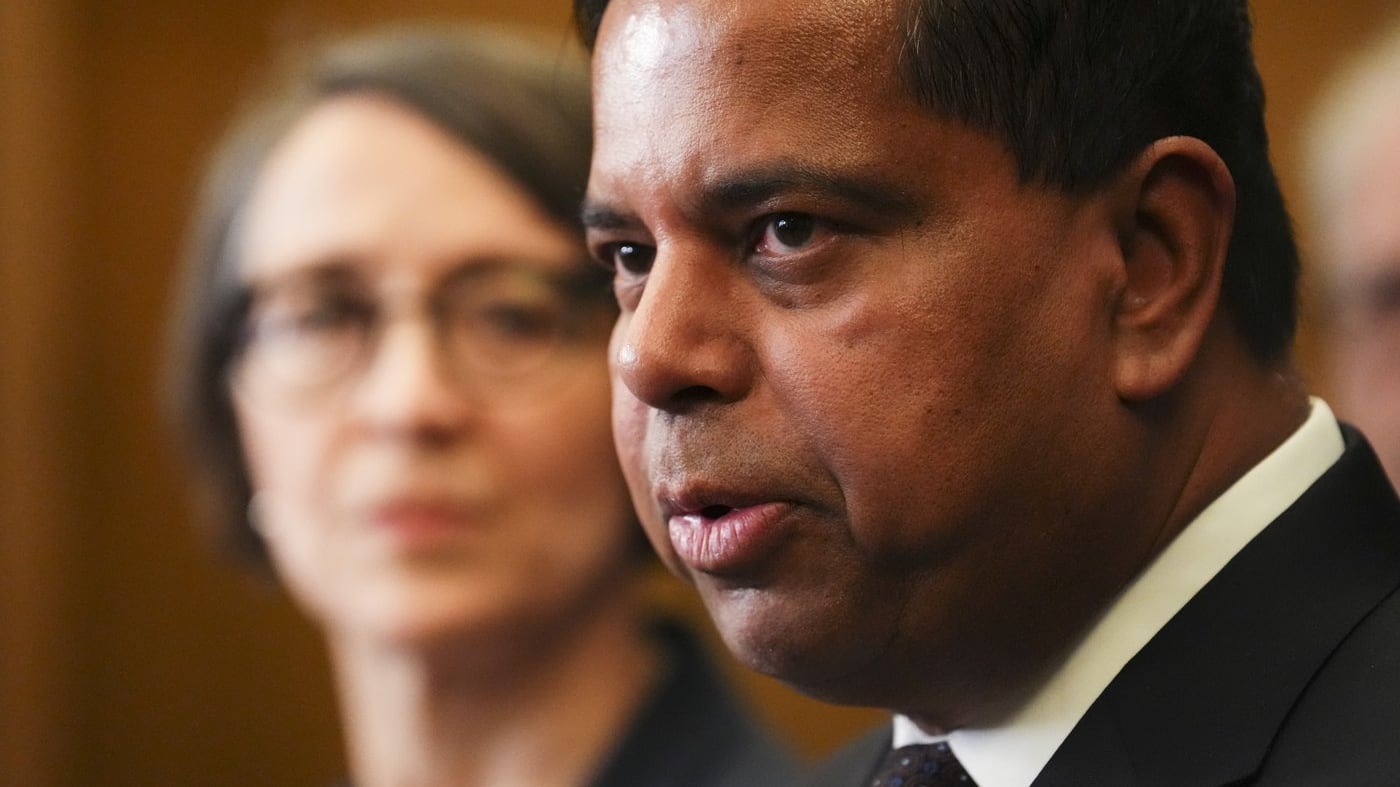
Federal Public Safety Minister Gary Anandasangaree called it “regrettable” that both provinces had chosen this path.
“It means that the citizens who are law-abiding and who have enrolled in the program, regrettably will not be eligible for compensation,” Anandasangaree said on Tuesday. However, the minister emphasized that compliance under the act, as of October 31 is not optional and that law enforcement must enforce the law.
The rapid-fire rifle ban was put in place six years ago, after the 2020 mass shooting in Nova Scotia. Gabriel Wortman killed 22 people in a deadly rampage in the rural community of Portapique.
The buyback program began in January of this year. Most police services across the country have been reluctant to assist the federal government with collecting the guns for the program.
In January the Canadian Association of Chiefs of Police (CACP) expressed concerns that the program would become a “significant operational burden.”
In a statement the CACP said that program could help reduce prohibited domestic firearms – but “it may not align with current policing priorities including the illegal importation, trafficking, smuggling and criminal use of firearms.”
Nathalie Provost, the Liberal Secretary of State for Nature and a survivor of the 1989 Polytechnique shooting blames “disinformation…approved and supported by the Conservative Party” that confused people and kept them away from applying for compensation.
Provost said there were many online posts which inflated the types of rifles being banned.
“The gun lobby and the Conservatives – they just created more confusion,” he said. “There’s just 2,500 models that are banned. It leaves 19,000 models on the market. So people can still hunt, they can still sport shoot.”
When asked to respond to Provost’s comments during a news conference on high-speed rail, Conservative Leader Pierre Poilievre said that the policy doesn’t target crime.
“Carney Liberals are banning hunting rifles and gopher guns. They’re attacking licensed, law-abiding, trained and tested farmers, hunters and sports shooters,” Poilievre said in Peterborough, while accusing the Liberals of wasting taxpayers dollars.
Retailer, West Winkle owns Ellwood Epps Sporting Goods in Orillia, Ont. He says he’s been receiving dozens of calls a day from gun owners who want help registering for compensation.
Winkle says the federal government is to blame for the confusion, because it has created an online process that’s difficult to navigate.
“The average demographic of the owners of these firearms is over 65 years of age, and their ability to navigate online portals is not very good. They’re having a difficult time adhering to the procedures the government’s put in place for this buyback program.”
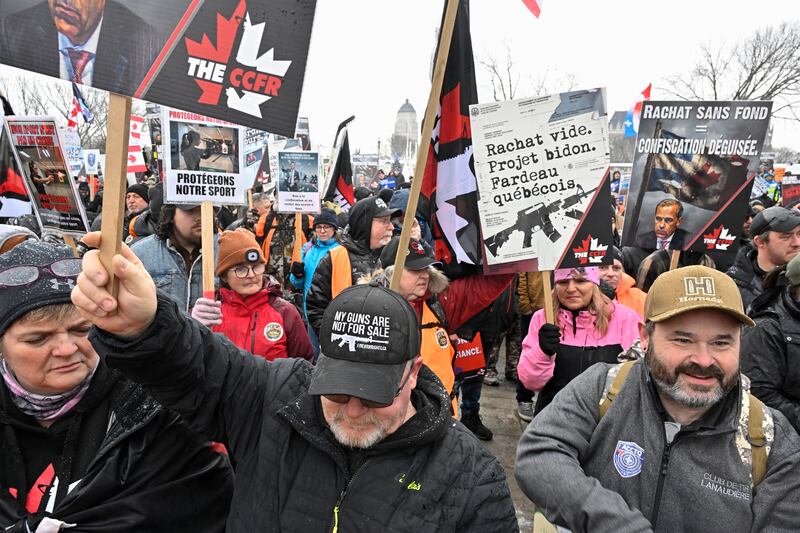
Although there is still seven months before the ban of assault-style rifles comes into effect, the Canadian Coalition for Firearm Rights (CCFR) has mounted a legal challenge, which the Supreme Court of Canada has agreed to hear.
CCFR, the national gun lobby group, represents 100,000 gun owners.
“Licensed gun owners don’t represent a disproportionate risk to public safety. The majority of firearm-related violence is caused by violent repeat offenders with smuggled illicit guns,” said CCFR vice-president Tracey Wilson.
“Gun owners take their responsibilities very seriously and we are among without doubt, Canada’s safest citizens.”
The Supreme Court has not set a date to hear arguments, but it is unlikely to happen before the rapid-fire rifles are banned on Oct. 31.

