The next phase of Middle East conflict between the United States, Israel and Iran could involve other countries or NATO members to demonstrate a united front against Tehran’s blockade of the Strait of Hormuz, says Canada’s former top diplomat.
Peter MacKay, who served as former prime minister Stephen Harper’s first foreign affairs minister, told CTV News Channel on Thursday that “all options are on the table,” including NATO involvement, U.S. boots on the ground and other pressure avenues to end Iran’s blockade of the strait.
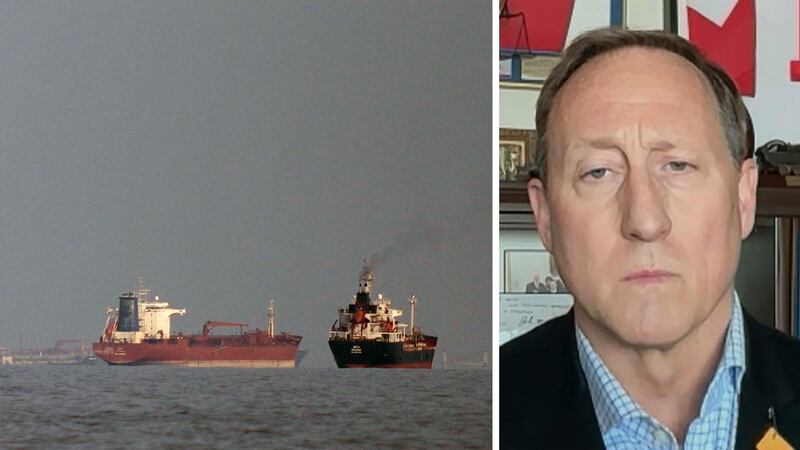
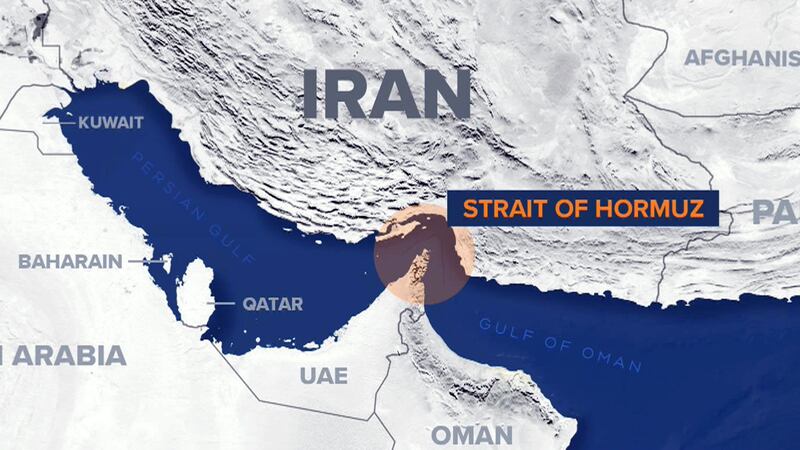
About 20 per cent the world’s oil makes its way through the Strait of Hormuz, a waterway 33 kilometres wide at its narrowest point.
On Thursday, Foreign Affairs Minister Anita Anand joined U.K.-led talks with more than 30 other nations to find a diplomatic resolution to reopening the strait.
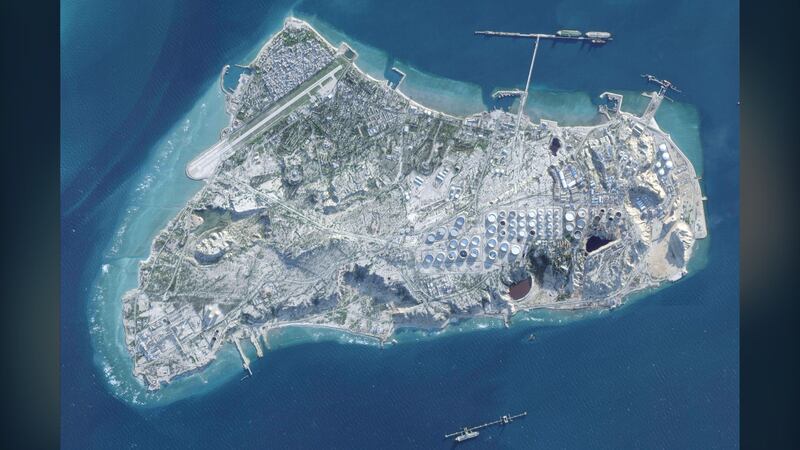
In the strait, Kharg Island acts a transit point, which MacKay calls “a strategic location for the Iranians to both refine and load oil products that are destined for countries like China and Russia.”
- READ MORE: Gulf states seek UN mandate for force to protect Hormuz
- READ MORE: Iran’s Kharg Island is key to its oil exports. Targeting it carries major risks
MacKay suggested the U.S. may be thinking of putting marines on the island, which would be a major escalation in the conflict.
Such an invasion would “have the effect of squeezing Iran from a further financial standpoint,” MacKay said, but warned such a move would put American military members further in harm’s way.
MacKay, who served as foreign affairs minister between 2006 and 2007, said that sanctions alone would likely be insufficient to cause “the surrender of the Iranian regime,” despite that being what the U.S. and Israel are aiming for.
“Frankly, we’ve seen attempts by all countries, including Canada, before to use sanctions as a means to correct the behaviour of Iran, and its been completely ignored,” he said.
No major countries have directly aided with the strikes against Iran, although France and the U.K. have both provided some assistance.
MacKay suggested that U.S. allies and NATO members who want the blockade to end, including Canada, could signal their determination by sending naval assets to the region.
- READ MORE: Iranian attack on Saudi base injures U.S. troops. More American forces arrive in the Middle East
- READ MORE: Trump touts military success in Iran, but offers no timeline on exit strategy in primetime speech
Canada timeline on Mideast conflict
Since the U.S. and Israel first launched strikes on Tehran in late February, Canada’s position on the Middle East conflict has evolved:
- March 3: Prime Minister Mark Carney said Canada supported the U.S. strikes on Iran “with regret,” and that they broke international law
- March 4: Carney said Canada wouldn’t rule out military participation in the conflict, and that they would “stand by our allies, when it makes sense.”
- March 6: Anand said the U.S. and Israel don’t have a “blank cheque” in their bombing campaign of Iran
- March 10: Carney told the House of Commons that Canada will “never participate” in the conflict.
- March 19: Canada and partner countries released a statement saying they could help in efforts to open the strait.
- March 26: Carney said there were “ongoing conversations” to determine how Canada can help restore freedom of navigation in the strait, on the condition of there being a ceasefire.

