Experts are sounding the alarm about preventable hypothermia-related deaths throughout Ontario.
According to the province’s chief coroner’s office, there were 90 deaths related to hypothermia in 2022, the highest number recorded over the past four years. That total dropped to 62 in 2023 and 57 in 2024. In 2025, 61 deaths were reported, including six deaths involving people identified as homeless.
The coroner noted that confirming hypothermia as a direct cause of death is not always straightforward, as other contributing factors are often involved.
However, local advocates and health-care workers stressed the deaths are preventable.
“Our outreach workers are at the 20 encampments [in Waterloo Region] all the time,” said Joe Mancini, director of The Working Centre in Kitchener, Ont. “They’re dealing with wound care and, of course, that’s very difficult in such frigid conditions.”
In southwestern Ontario, no deaths among unhoused individuals were reported in 2025. Still, health-care providers and outreach workers said demand for services continues to rise.
“In January, we opened a new warming centre, an overnight warming centre at St. John’s Kitchen,” Mancini said. “We’ve been able to manage it at 124 people at night.”

Mancini said teams supporting people in encampments are seeing an increase in frostbite and other cold-related injuries, despite efforts to distribute warm clothing and supplies.
“Another thing that’s increased are second and third-degree burns because people are trying to create warmth,” he said.
While warming centres and shelters have expanded in some areas, Mancini said capacity remains an issue.
“We’re estimating we need at least 150 spaces that are not there,” he said, noting that St. John’s Kitchen’s overnight warming space has been serving more than 100 people per night during this past winter.
Emergency room visits
At Grand Erie Public Health, officials report dozens of cold-related emergency visits in recent years.
“Between 2022 and 2025, we have had 70 emergency department visits related to hypothermia and frostbite,” said Alexis Atkinson, program manager of environmental health. “The highest recorded was actually 2022 … but so far here in 2025, we’ve had 19.”
Atkinson said the number of cases can fluctuate depending on weather conditions, including the severity and timing of cold snaps.
“Even when the temperature is five degrees outside, during prolonged periods of time, that temperature can also lead to health hazards,” she noted.
Public health units issue cold alerts when temperatures are expected to reach –15 C, or –20 C with wind chill — a threshold that helps trigger additional community supports.
“Our cold alert can prompt organizations to put things into place when extreme weather is experienced,” Atkinson said, pointing to warming centres, shelters and meal programs.
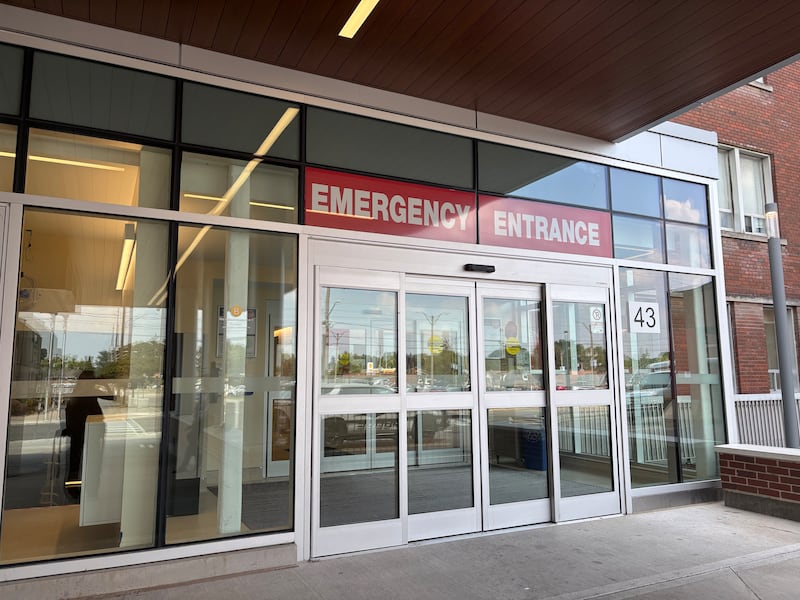
Local hospitals are also seeing the impact. Over the past two winters, Brant County Health System (BCHS) has treated 31 hypothermia cases in its emergency department.
“Of the 31 cases, 11 individuals were identified as unhoused,” read an email statement from BCHS. “In support of patient privacy legislation, we are unable to comment on the number of deaths attributable to hypothermia given the small sample size.”
‘Housing is health care’
Meanwhile, healthcare providers working directly with unhoused populations said the impacts go beyond immediate cold exposure.
“We see a lot of chronic diseases that already exist, and those are worsened over the winter months,” said Erika Liban, a nurse practitioner with Sanguen Health Centre’s mobile care team. “Frostbite is a really difficult outcome; people are losing fingers and toes.”
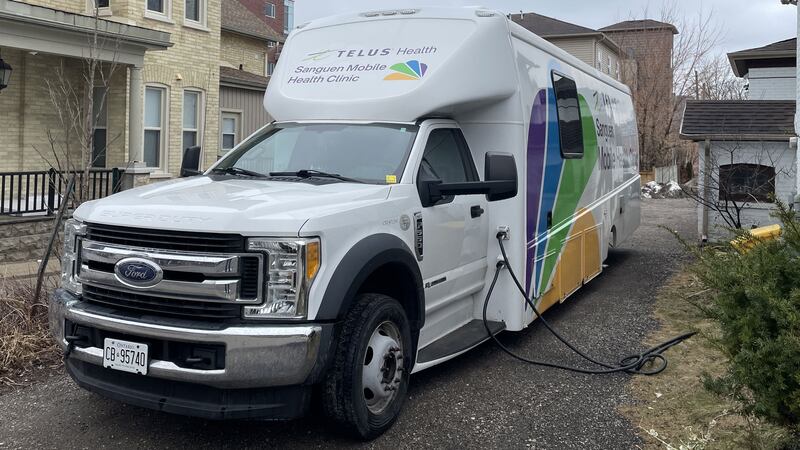
Liban said while emergency supports are critical, broader solutions are needed.
“Housing is health care. People need warm spaces, safe spaces. That’s the real issue that needs to be addressed.”
Public health officials also remind residents that cold weather can affect a wide range of people, including outdoor workers, seniors and children and encourage precautions during winter conditions.
RELATED STORIES:
- The Working Centre opens new hub for people experiencing homelessness in Kitchener
- How Waterloo Region and Guelph dealt with the homelessness issue in 2024
- YWCA Cambridge says emergency shelter ‘not a solution’ as it pleads for support
- Demand heating up for Stratford’s first overnight warming centre as temperatures plummet
With files from The Canadian Press

