Saskatchewan has some of the highest rates of tuberculosis in the country, infecting Indigenous people more than anyone else.
Tuberculosis (TB) is an infectious disease that typically attacks the lungs. The TB rate in Northern Saskatchewan is 19 times the national average, according to the Northern Inter-Tribal Health Authority (NITHA).
This week, the Saskatchewan NDP accused the provincial government of hiding TB cases in the north after obtaining documents that show 22 cases were reported in the Prince Albert area over the last 14 months.
Advisories were not sent out notifying the public of an increase in cases, as is standard practice in Saskatchewan with tuberculosis. When public health becomes aware of a TB case, the province says it works to identify and directly contact people who have been potentially exposed.
The entire province’s tuberculosis rate is about twice the national rate.
“We want to make sure that the people in the affected communities know that there are active cases of TB,” said NDP MLA Keith Jorgenson.
Half of the recent cases in Prince Albert were contracted at a shelter, according to Saskatchewan’s chief medical health officer Dr. Saqib Shahab.
“For the general public, on a day-to-day basis, there’s no high risk of TB exposure,” Shahab said.
The province’s top doctor said the disease if “very uncommon,” but more frequent in two groups of people: those who’ve immigrated to Canada from countries where TB is still common, and Indigenous communities.
The NITHA says limited access to healthcare, screening and treatment, along with poor housing and overcrowding contribute to higher rates of tuberculosis in northern communities.
The northern health authority declared five community TB outbreaks between 2021 and 2025. As of this month, only one of those outbreaks is still active.
Shahab said the province performs vigorous contact tracing, which helps limit the spread. Contact tracing is performed in a sensitive way, according to Shahab, and the health authority is mindful of the stigma attached to the disease.
“The more contact tracing you do, the more cases you find,” Shahad said. “That way, you find cases before they become infectious, and when you treat them, you break the cycle of transmission.”
Tuberculosis is also spread over long exposure periods, which means people can’t contract it as easily as measles or other respiratory infections.
TB is treatable and curable by taking antibiotics for six months. A person is no longer infectious after about two weeks of treatment, according to Shahab.
“It’s very important to not just start treatment, but complete treatment,” he said.
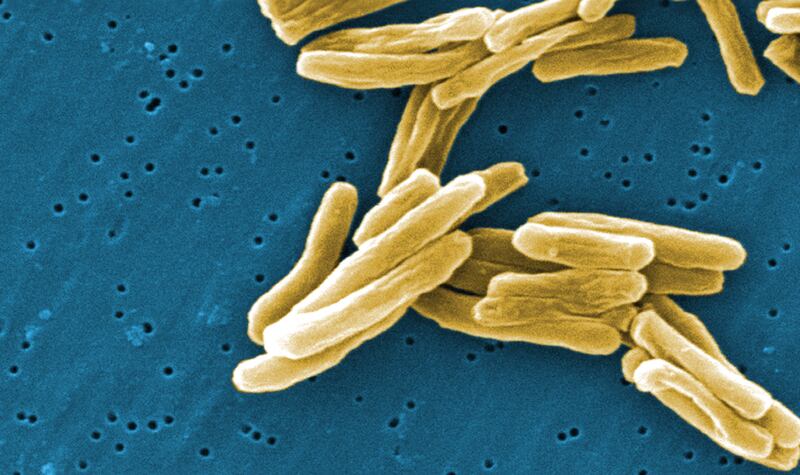
Scientists look to lower treatment length
Scientists from Saskatoon’s Vaccine and Infectious Disease Organization (VIDO) are working to better understand the bacteria responsible for TB.
VIDO principal scientist Neeraj Dhar is one of many researchers globally hoping to reduce the length of treatment required to cure tuberculosis.
“It would be a huge benefit, not just for the patient, but also for the health-care workers,” Dhar told CTV News.
Studies suggest 80 per cent of TB cases return if a patient stops taking their treatment before six months. This has led to multidrug-resistant TB developing in several countries, according to Dhar.
“Multidrug-resistant TB is a huge, huge problem,” he said. “However, it’s not so much of a problem right now in Canada.”
The rate of treatment completion in Saskatchewan is over 90 per cent, according to Shahab.

