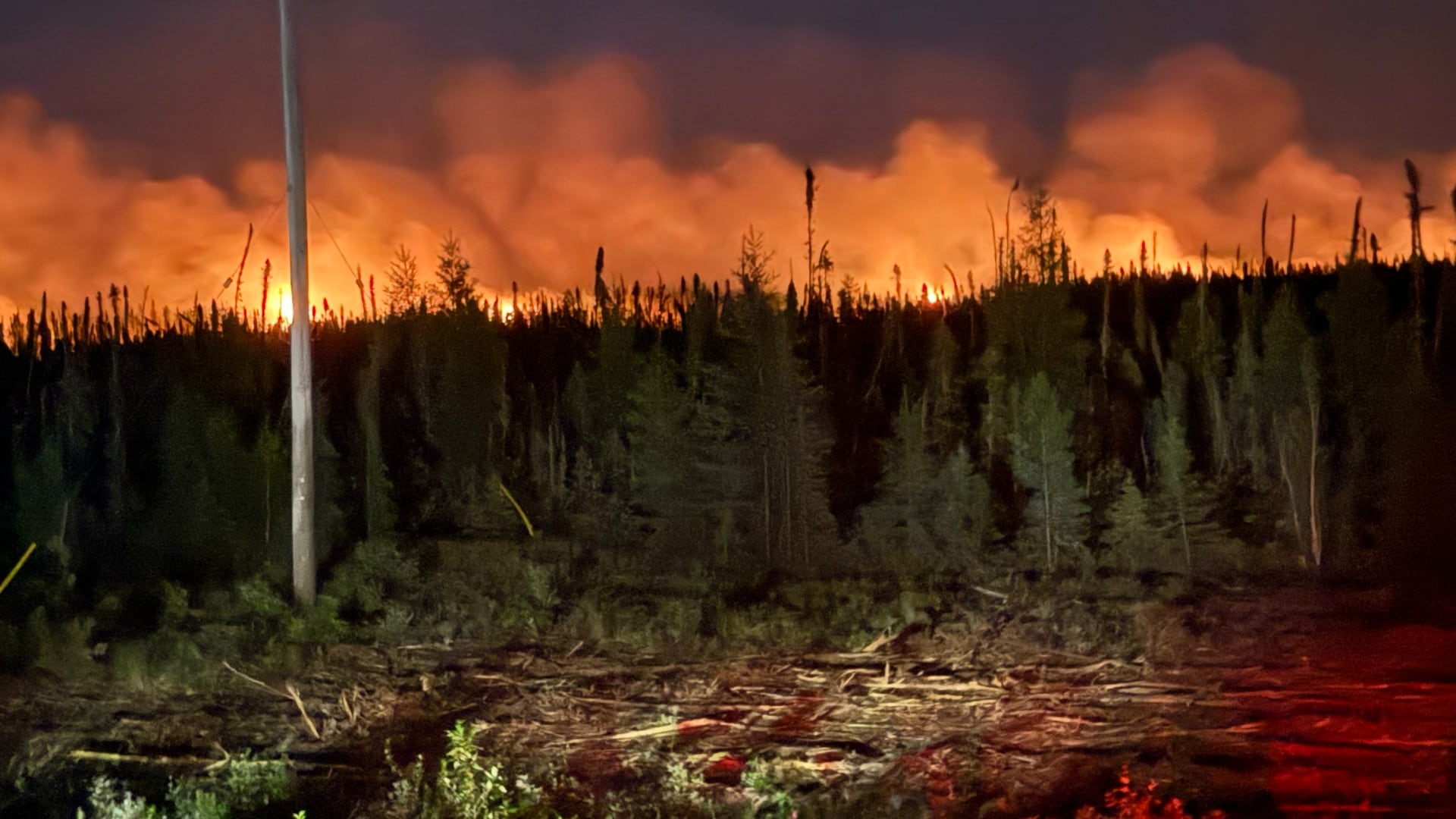
After being forced to evacuate during last summer’s wildfires in Flin Flon, Man., Noelle Drimmie is already preparing for the upcoming season.
Her family was out of their home for nearly a month as fires threatened the northern city, located about 750 kilometres northwest of Winnipeg. Now, she’s creating a plan in case it happens again.
“Having a to-do list, a pre-fire or pre-evacuation to-do list, is definitely something we’ll do again this year,” she told CTV News. “I know friends that already have to-go bins, mementos and priceless things that they would want to take with them in the vehicle on a short moment’s notice.”

Drimmie says she’s been in touch with contacts down south, including her family in southern Ontario, just in case they’ll be forced to evacuate at the last minute.
She is trying to remain optimistic, but is slowly thinking about contingency plans a few months in advance.
“Being prepared and being informed, I think, is the best thing that we can do and just sort of taking it as it comes,” she said. “The reality of what happened last year is still very fresh in our minds, and so, we’re definitely thinking ahead as to how we will prepare.”
Canada’s 2025 wildfire season was among the worst on record.
More than 6,000 fires burned over eight million hectares nationwide, forcing more than 85,000 people to evacuate, including at least 30,000 in Manitoba alone.
The province declared two states of emergency.
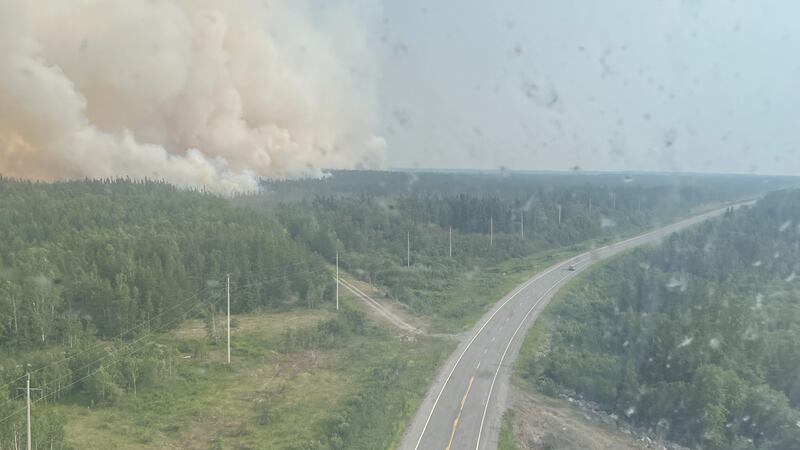
Firefighting equipment, resources needed: Manitoba Chief
David Monias from Pimicikamak Cree Nation, also known as Cross Lake, wants his community to have proper firefighting resources to be able to respond quickly to fires.
He says communities need better access to air support like water bombers and helicopters, as well as ground equipment and protective gear. Just as importantly, he wants funding to train local residents.
“We’re looking to make sure that there’s enough funding and resources provided to the First Nations to ensure we can build capacity in our community to fight the fires ourselves, as well,” he said. “To help out and not just count on outside people coming from other countries to fight our fires for us.”
He also stressed the importance of clear evacuation plans, including designated routes and shelters, to avoid the chaos seen last year.
“Immediate support and funding from Canada and provincial partners are critical to protect lives, land and the community,” he said.
It’s been a tough year for residents of Pimicikamak Cree Nation, which is more than 500 kilometres north of Winnipeg.
In addition to wildfire evacuations last summer, hundreds were forced out of their homes at the beginning of January after a days-long power outage led to frozen pipes, which burst and flooded many homes.
“Our people are struggling and having a hard time,” he said.
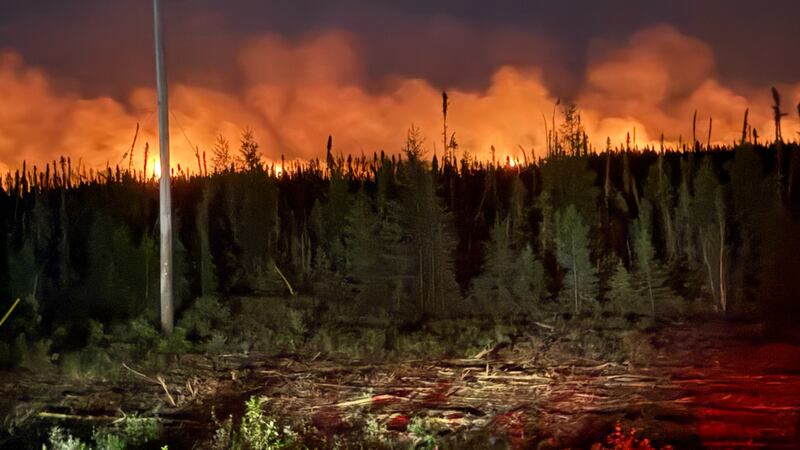
2026 fire season a litmus test: expert
As Canada approaches the 2026 wildfire season, early indicators suggest there is potential for another active and widespread year.
While it is still too soon to make definitive predictions, key factors such as drought conditions and long-range weather forecasts are raising concern among some experts.
“We’ve had three really bad fire seasons: 2023, 2024 and 2025,” said Mike Flannigan, a professor of wildland fire at Thompson Rivers University in Kamloops, B.C. “About eight per cent of our forest has burned in those last three years. In our modern-day record, we’ve never had three years like this.
“(If) 2026 is another active year, I’m going to start to say that the new reality is that most years, we’re going to see an active fire season.”
Flannigan says much of the prairie provinces, Northwest Territories and Yukon show potential for an active fire season.
He says Atlantic Canada may also face heightened risk due to ongoing drought and expected summer heat.
He says the predications for the 2025 season at this time last year are on par with what 2026 is showing.
“It’s actually a very similar situation in that the starting point was that there was abnormally dry or drought conditions over much of Canada, and that has not changed,” he said. “So we’re starting from the same point.”
In January, researchers at Environment and Climate Change Canada projected that global average temperatures for this year would be about 1.44 C above pre-industrial levels.
This would place it below the record heat seen in 2024, but comparable to the next warmest years, 2023 and 2025.
“The forecast is calling for El Nino and maybe a really strong or what they call a super El Nino by late summer,” said Flannigan. “So a lot of the things we’re seeing suggests that mid-summer to later summer may be the most active part of our fire season this year.”

