As Canadian airlines continue to adjust fees to respond to skyrocketing fuel prices, analysts say the extra costs signal a much bigger issue.
“This is probably the greatest energy crisis of a generation,” said Dan McTeague, gas analyst and president of Canadians for Affordable Energy.
Jet fuel prices have more than doubled since the war on Iran began, soaring to around $1.92 per litre.
The war has disrupted essential shipping channels through the Strait of Hormuz and attacks have damaged energy production facilities in the region. It could take months for operations to get back online.
The result has been a massive supply shortage that is hitting countries overseas the hardest, according to McTeague.
“There is no spare capacity,” he told CTV News. “Asia and Europe are in big trouble, and that can only mean the next domino will fall here, in North America.”
The only way to conserve global supply is to drive up prices and lessen demand, according to McTeague, which could result in prices becoming “unattainable and uneconomical” for consumers.
But availability and supply are greater concerns than the price, he said.
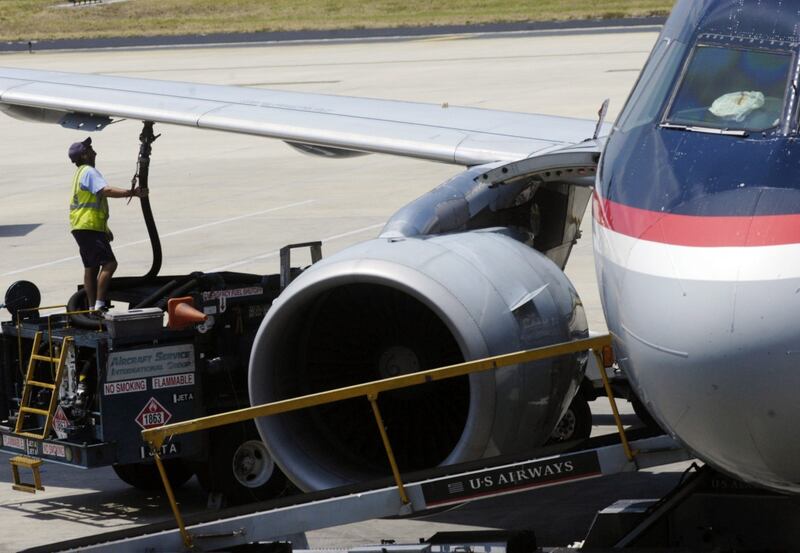
Jet fuel is used for commercial aircrafts, military aviation, air freight and home heating in Atlantic Canada.
“Jet fuel and diesel are the global workhorses when it comes to transportation,” McTeague said. “Without either of those available, or at prices that are unattainable, we’re going to see a major economic slowdown that won’t spare Canada.”
The bulk of Canada’s jet fuel is produced domestically. But the country doesn’t make enough to export.
This week, United States President Donald Trump told countries in need of jet fuel to buy from them.
Analysts say the U.S. stock won’t make up for the global shortfall, but McTeague said if countries come knocking, prices will drive up further.
Impact on travel
John Gradek, an aviation lecturer at McGill University said he hasn’t seen “this type of impact in aviation in the last 50 years.”
As global fuel supply dwindles and prices skyrocket, Gradek predicts carriers around the world could cancel flights, issue layoffs and some may even go bankrupt.
Flight routes may also change, he said, to ensure planes can fuel up wherever possible.
“It is going to impact summer travel,” Gradek said. “It will be chaos. It will be turmoil.”
Domestic travel ‘not an issue’
Aside from the cost, domestic flights shouldn’t have trouble finding available fuel, according to Gradek.
“For aircraft flying between points in Canada, it’s not an issue,” he said.
But fuelling up for return trips from international destinations could be a challenge, which is why some Canadian airlines may start to cancel flights overseas.
Gradek says cancellations could start happening as soon as mid-April
“International services are at risk,” he said. “Asia, Western Europe and Central Europe that’s where we have to be concerned about both the supply of jet fuel as well as the price of jet fuel.”
Flights to Germany, Switzerland, France, Italy and the U.K. could all be spared, Gradek said, because those countries have a reliable source of fuel. But for passengers travelling to countries with short supply, he recommends finding alternative arrangements.
While Canada won’t have a problem with its supply, prices are tied to the global market they will continue to increase, putting financial pressure on Canadian airlines.
Canadian airlines have already adjusted prices and introduced fuel surcharges to make up for the added costs.

