Rabbit sightings on the streets of Saskatoon are much more common this time of year. And no, it has nothing to do with the Easter bunny.
River Haze Street Rabbit Rescue says it sees a rush of domestic rabbits come into its care every spring.
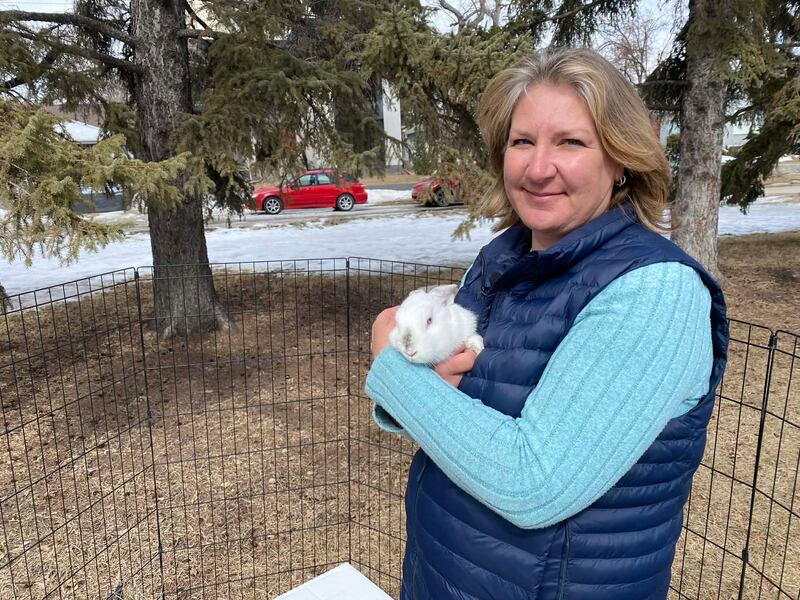
“These are all tame pet rabbits that are found on the streets of Saskatoon that I take in,” said rescue founder Donna Barth.
The group has brought in eight abandoned pet rabbits in the last three weeks.
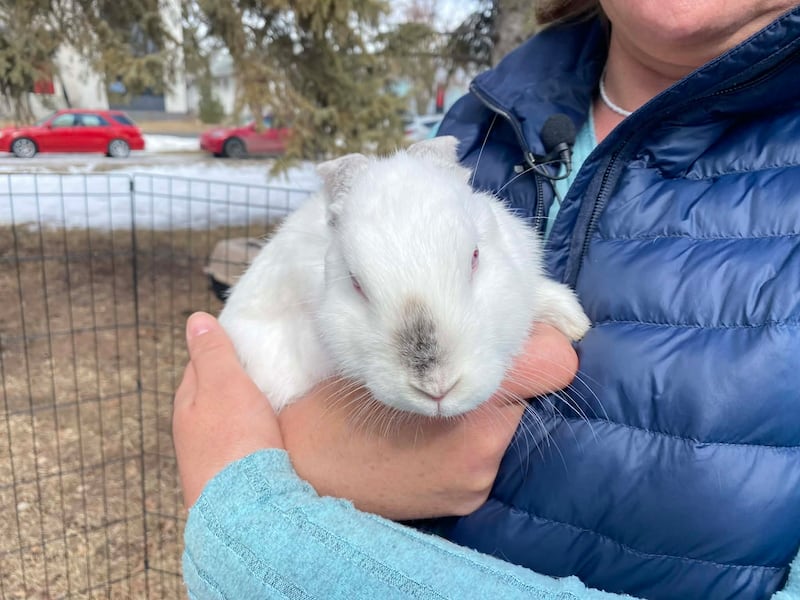
“People see the wild ones outside and think (pet rabbits) can survive outdoors, and then they just let them go,” she said.
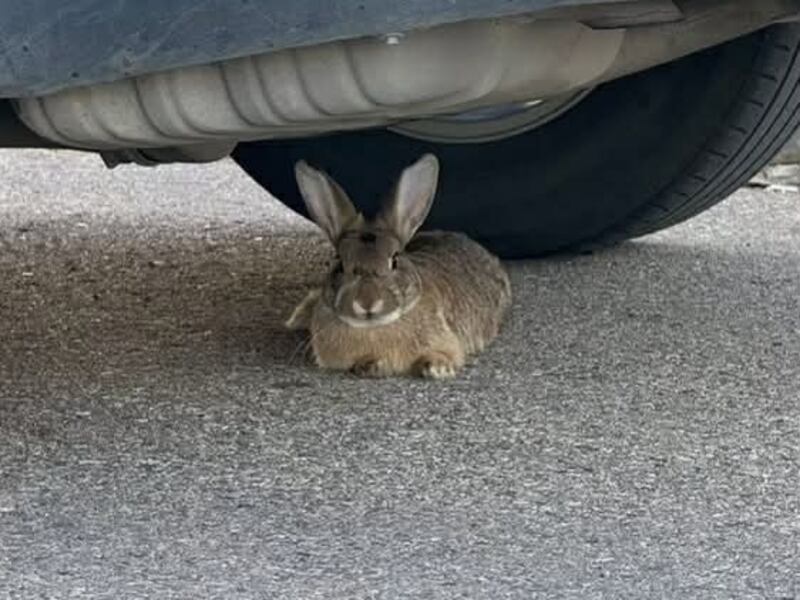
Domestic rabbits are very different from wild jack rabbits commonly seen across the city. Most of them can’t survive Saskatchewan winters because of their fur type.
Barth, who founded the organization in 2018, admits it is a very niche rescue, but she says the need is there.
The rescue has brought in a total of 145 rabbits and rehomed 121 of them to families across Saskatchewan.
“It’s pretty sad to see (stray rabbits),” said Janae Brumwell, who also works at the rescue. “We have a stray cat problem and everyone’s on top of that. … But not many people see how many rabbits are being let out.”
The risk of overpopulation
In certain areas of Canada, abandoned pets have fostered huge invasive rabbit populations.
Several Vancouver parks are overrun with invasive European rabbits. These are not native wildlife, but the descendants of abandoned pets, according to the City of Vancouver.
The city says parkgoers often try to feed and handle the feral rabbits, which can pose serious health risks to both the animals and public.
Feral rabbit populations have also been reported across Alberta in both cities and rural settings, according to the Alberta Invasive Species Council (AISC).
“Due to outdoor conditions, released rabbit populations deal with diseases, predators, malnutrition, and extreme weather. While many survive long enough to reproduce, they live a much shorter and more dangerous life in the wild than if they had been kept as pets,” according to AISC.
European Rabbits can spread rapidly. Females can have up to 30 young in a single year.
Rabbits need more than just carrots
While baby bunnies can seem like a great Easter present, Barth says it’s important people do their research before committing.
There are several reasons owners abandon their pet rabbits. Often, she finds people bite off more than they can chew, which can lead to abandonment.
“There’s a lot of care that goes into looking after rabbits and I think it gets to be too much for some people that didn’t have the education,” she said.
Others may be surprised at how big a baby bunny can become. Full grown rabbits can weigh anywhere from two pounds to 30 pounds depending on the breed.
Rabbits like to keep busy. They need space to roam and stimulation to stay healthy.
Barth says owners tend to put rabbits in small cages bought from pet stores. She says those are more suitable as litter boxes, and instead, pet rabbits should be kept in x-pens to allow them more space to move.
Barth helps litter train all of the rabbits that come through her care to set them up for success as free-roaming house pets.
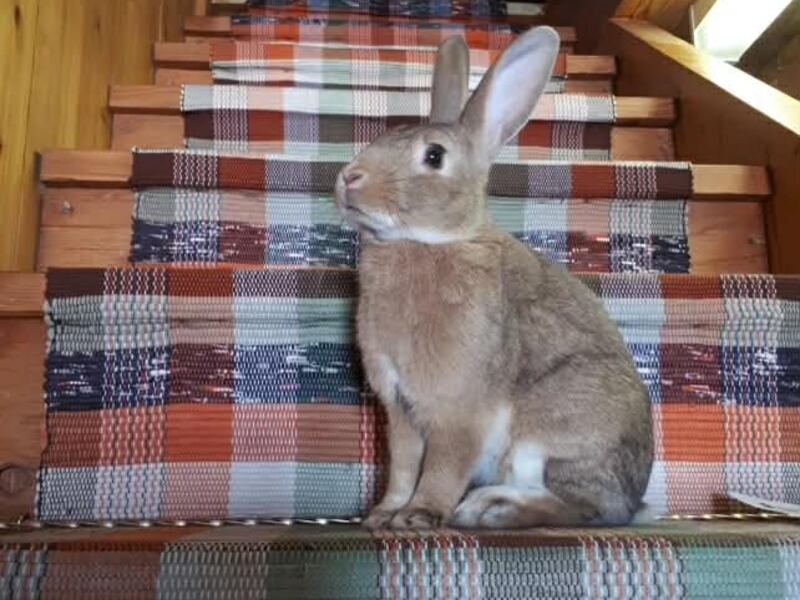
“Rabbits are very social,” she said. “They do very well learning tricks and if you give them the chance to run around and roam, they’re actually very smart.”
They also have their own personality.
“I see them very similar to having a dog or a cat,” Brumwell said. “They make really good pets when you understand how they work.”
Rabbits need 24-hour access to hay or grass to keep their guts working, Brumwell said. If not, they can develop gastrointestinal stasis, a life-threatening and common condition triggered by poor diet, stress or pain.
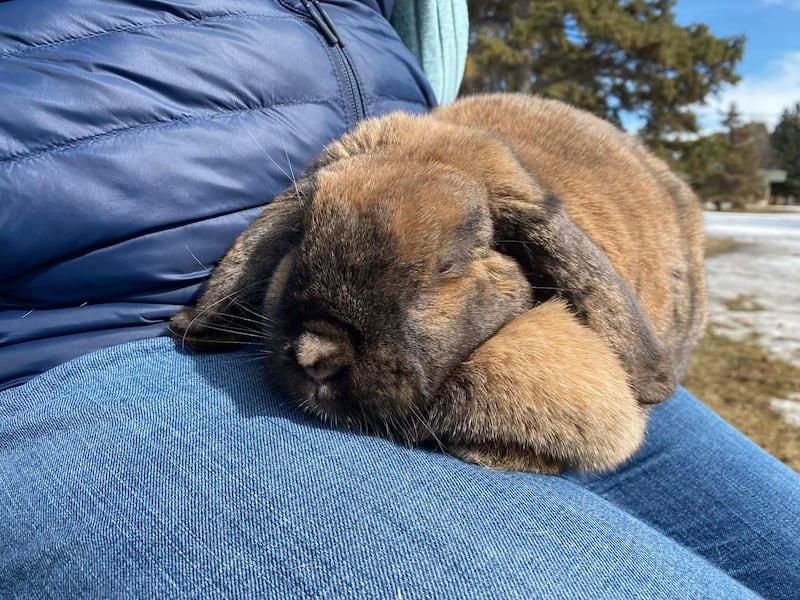
Too many carrots can also hurt a rabbit’s health.
“They’re okay as a very small treat every once in a while, but unfortunately they are very high in sugar,” Brumwell said. “When that sugar ferments in their stomach, it can cause GI stasis.”
Domestic rabbits let out into the streets are susceptible to other diseases like mites and snuffles, a respiratory infection.
Every rabbit that comes through the rescue gets spayed and neutered through a partnership with Corman Park Vet Services.
The surgery helps with litter training and can extend the lives of female rabbits who are prone to uterine cancer, Barth said.
“If you can prevent any health issue by getting them spayed or neutered, you’re just going to save a whole lot of vet bills,” she said.

