Fuel surcharges, rising food prices and economic uncertainty are among the impacts the war in Iran is having on Canadians, with many bracing for a rocky spring and summer.
“The first thing (we noticed) is the price of shipping,” said Luke Champion, the owner of Good Cheese, a Toronto cheese shop that buys product from around the world and ships across Canada.
“So we are really feeling the pinch on that.”
Champion says some of his suppliers have started to increase their prices — and while he’s trying to absorb as much as he can before passing the costs along to the consumer, it can be a challenge.
“That’s the trickiest thing with the rising cost of food is that we still have to be able to pay our bills,” he says. “So part of it is absorbing some of those rising costs, but it’s also being really careful about what we’re bringing in and finding those gems that are wonderful, but still affordable.”
‘Being attacked on all fronts’
Affordability has been a challenge for many Canadians for years, with this war coming at a time when prices on many items remain elevated compared to before the COVID-19 pandemic.
“Everybody is just feeling that we are being attacked on all fronts all at once,” said Andre Cire, an associate professor of production management at the University of Toronto.
“There was the war in Ukraine that also impacted food prices. Now Iran. (There’s) a lot of volatility.”
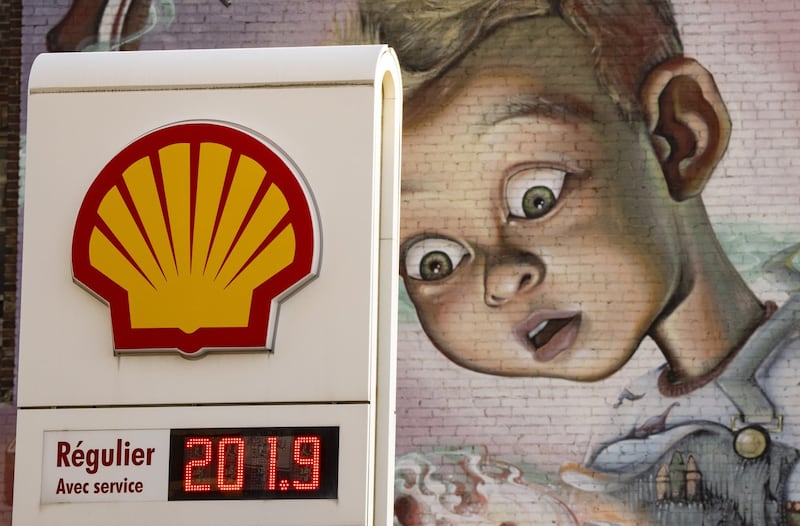
According to Dan McTeague at Canadians for Affordable Energy, the average price of a litre of regular gas has gone up 51 cents since the war in Iran began on Feb. 28. Diesel is up 74 cents a litre while jet fuel has surged $1.05 a litre.
“Energy oil is embedded in everything that we have in the modern economy,” said Cire. “From production and manufacturing to packaging. Transportation, the gas you put in a truck to deliver from place to place. This all uses oil or energy in some way or the other.”
Airline, Amazon surcharges
To offset the rising cost of jet fuel, several Canadian airlines have implemented surcharges on flights and vacations.
On Monday, Air Canada Vacations began implementing a $50 per passenger fee on some destinations, while WestJet will add a $60 fuel surcharge to all bookings made using vouchers from its Mastercard loyalty program. Porter Airlines and Air Transat have also added fees to certain routes and bookings.
Beginning April 17, Amazon will charge sellers a 3.5 per cent surcharge on deliveries.
Cire expects higher prices to continue, even if the war ends soon.
“Some people call it the rocket and the feather,” he said. “The rocket (prices) goes up super quickly but then it goes down like a feather…because there is lag until the price can stabilize again.”
On Tuesday, Prime Minister Mark Carney was asked why some Canadians are paying more than $2 a litre for gasoline despite Canada holding the world’s fourth largest proven oil reserves.
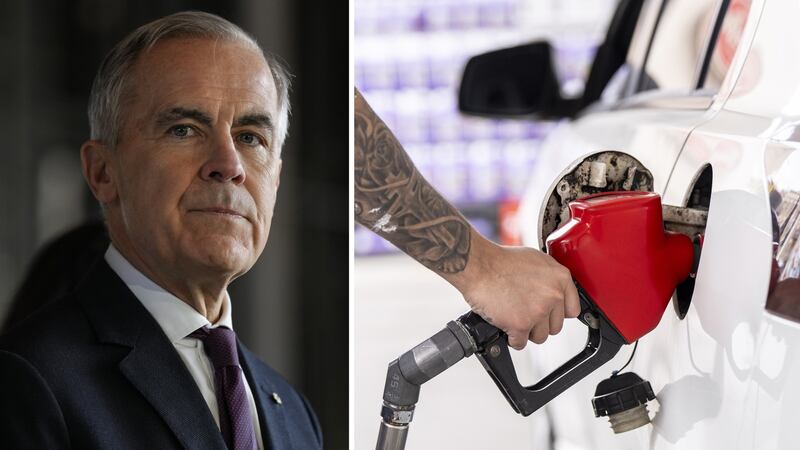
“The short answer is because there’s a global market, and those countries that have lots of oil and gas see their prices go up alongside with those who don’t have that oil and gas,” Carney said.
“This is what the government’s focused on, is how long is this going to persist, and what can we do to help cushion the blow for Canadians? And that’s something we’re looking at.”
In the meantime, it’s a waiting game for business owners like Champion, who anticipates things might get worse before they get better.
“We’re feeling it a little bit (now),” he added. “But we’re concerned about what’s to come.”
With files from CTV News’ Rachel Aiello

