


Three months after a water crisis forced them from their homes, residents of Kashechewan First Nation in northern Ontario are being told they won’t be going back anytime soon.
A state of emergency was declared because of contaminated water, and officials said this week it will be months before it will be safe for residents to return.
The First Nation said people won’t be able to go back until mid-June.
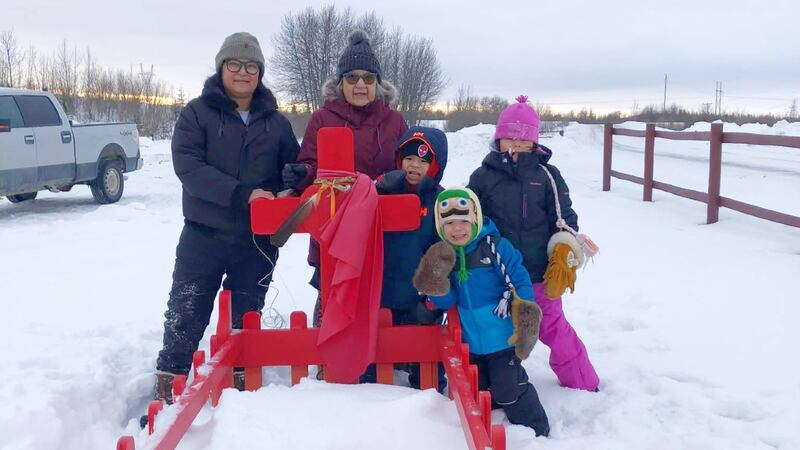
Among those waiting to go home are Rebecca Friday and her family, who have been living in hotels since Jan. 4, when the state of emergency was declared.
“It’s not good to be in the hotel cooped up, especially the babies and the toddlers and the teenagers,” Friday said.
“Whoever, right? They’re all cooped up all day in the hotel. There is some activity, mind you, but not to the extent where a lot of people go and join. It does affect us mentally. It affects us physically, emotionally, even spiritually. Because we are spiritual people.”
“It’s not good to be in the hotel cooped up, especially the babies and the toddlers and the teenagers.”
— Rebecca Friday
Several factors have led to the delay, beginning with the presence of the parasite cryptosporidium in the drinking water.
“It’s a little bit of everything,” said Tyson Wesley, Kashechewan First Nation executive director.
“The lead time for parts and the work that’s needed on the ground takes a lot more time right now ... Looking for mainline valves. (Plus) it’s the middle of winter and it’s not spring yet in our area and it’s just hard to dig frozen ground to find those mainline valves.”
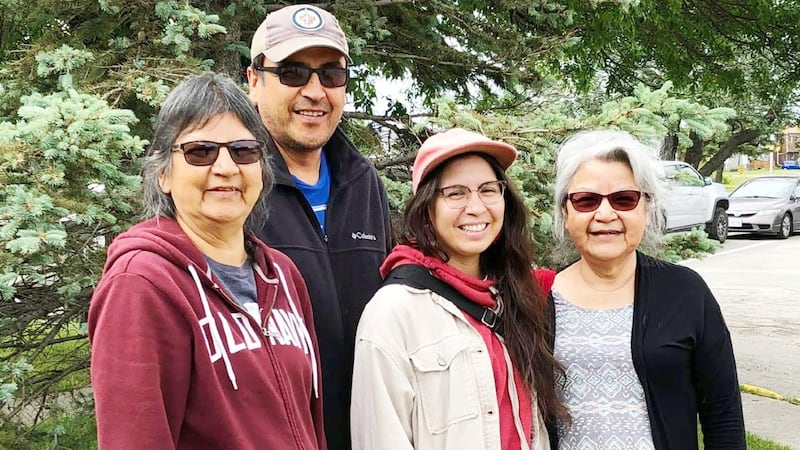
Wesley said the community, while frustrated, is attempting to maintain a sense of normalcy. Students have been attending classes at host sites set up in hotels, but added that the overall cost of the emergency is becoming impossible to ignore.
“I think we’ve lost 10 people since the start of the evacuation and having to bury our community members in this kind of environment, in this emergency, has been quite difficult for our community,” he said.
The First Nation is hoping for support from all levels of government to find a long-term solution. Friday said she just wants a positive future for Kashechewan’s youth.
“Where we can raise our kids, you know, in a good environment,” she said, free of swampy areas.
“I like to see my vision, to see that we can have a safe place to live in. So all of this anxiety is building up every day of our lives, especially the youth ... They’re cooped up in a room, looking around, looking up the ceiling and looking around, saying, ‘Where am I staying?’”
RELATED STORIES:
- Residents voice frustrations, Indigenous Services Minister visits community
- Kashechewan calls for the resignation of Canada’s Indigenous Services minister
- Kashechewan First Nations family suffers one month after forced evacuation from community
- Parasites confirmed in Kashechewan’s water supply, dozens ill
- First Nation leaders call for long-term solutions amid Kashechewan water crisis
- No timeline to fix Kashechewan’s ‘humanitarian’ water crisis
- ‘Woefully inadequate’ response to Kashechewan crisis, officials say
- Ont. First Nation plans to evacuate entire community after multiple water system failures

