
New Brunswick has joined Nova Scotia in creating a lobster enforcement unit, meant to recoup money both governments say is being lost to illegal lobster landings.
The N.S. government has said up to 30 per cent of annual lobster landings in the Atlantic region go unreported. For N.S., that could mean a loss of about $400 million in tax revenue.
In N.B., the estimate is far less. New Brunswick public safety minister Robert Gauvin said it’s more like $5 to $7 million lost in that province.
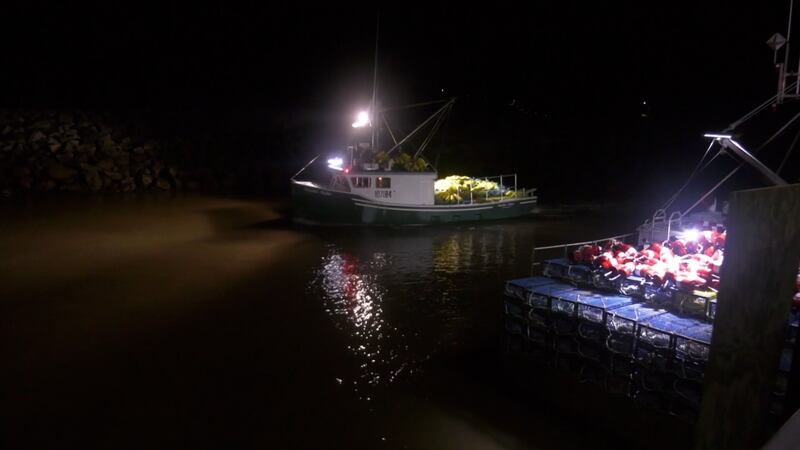
As of April 1, Gauvin said his department has begun the process of hiring a team of five enforcement officers who’ll monitor, inspect and investigate lobster landings and inventories, to ensure what’s on paper matches what actually came to shore.
They’ll work alongside Fisheries and Oceans Canada.
But Gauvin insisted during a committee meeting on his department’s financial estimates that no particular group will be specifically targeted by this unit.
“If you have a licence, you are subject to inspections,” he said.
The cost to create the enforcement unit is $667,000 this year.
The ‘lobster police’
Public safety critic, MLA Richard Ames, called the new unit the “lobster police,” and asked what Gauvin expected the province will see in return for the money spent.
“DFO (Department of Fisheries and Oceans) will continue to be responsible for the fishermen. We expect our focus will be more in the community,” Gauvin said. “The industry told us that we’re losing a lot of money, there’s a lot of money lost.”
In N.S., the team was announced in the fall and consists of four inspectors. That province also increased maximum fines for offenders, from $100,000 to $1 million for a first offence.
The Lobster Council of Canada has been advocating for more enforcement within the industry for years.
“The problem is both the buying side and the selling side,” said Geoff Irvine, the council’s executive director. “They aren’t pointing fingers at one side of this industry or the other. They’re pointing fingers at everybody, because there are bad actors on both sides.”
Existing data ‘not accurate’
He said it’s hard to know just how big the problem is but believes it’s a “significant” amount of tax revenue being lost.
Irvine also said the sustainability of the industry depends on accurate reporting of lobster landings.
“We know that there’s records, export data, buying data, landings data that is not accurate,” he said. “Which isn’t helpful for science, for trying to ensure sustainability of the lobster sector, and it also skews the market. It impacts the shore. It’s just, it shouldn’t be happening.”
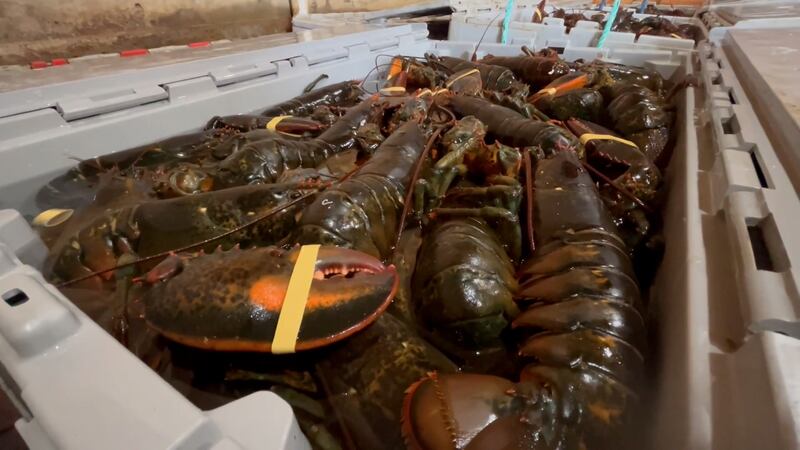
A long-time shoreside tradition that sees people buying fresh lobster right off the side of a boat, with cash, is fine so long as the harvester is declaring it, Irvine said.
The Maritime Fishermen’s Union didn’t say if they’re in favour of this new unit, only that they will “wait and see what will come out of it.”

