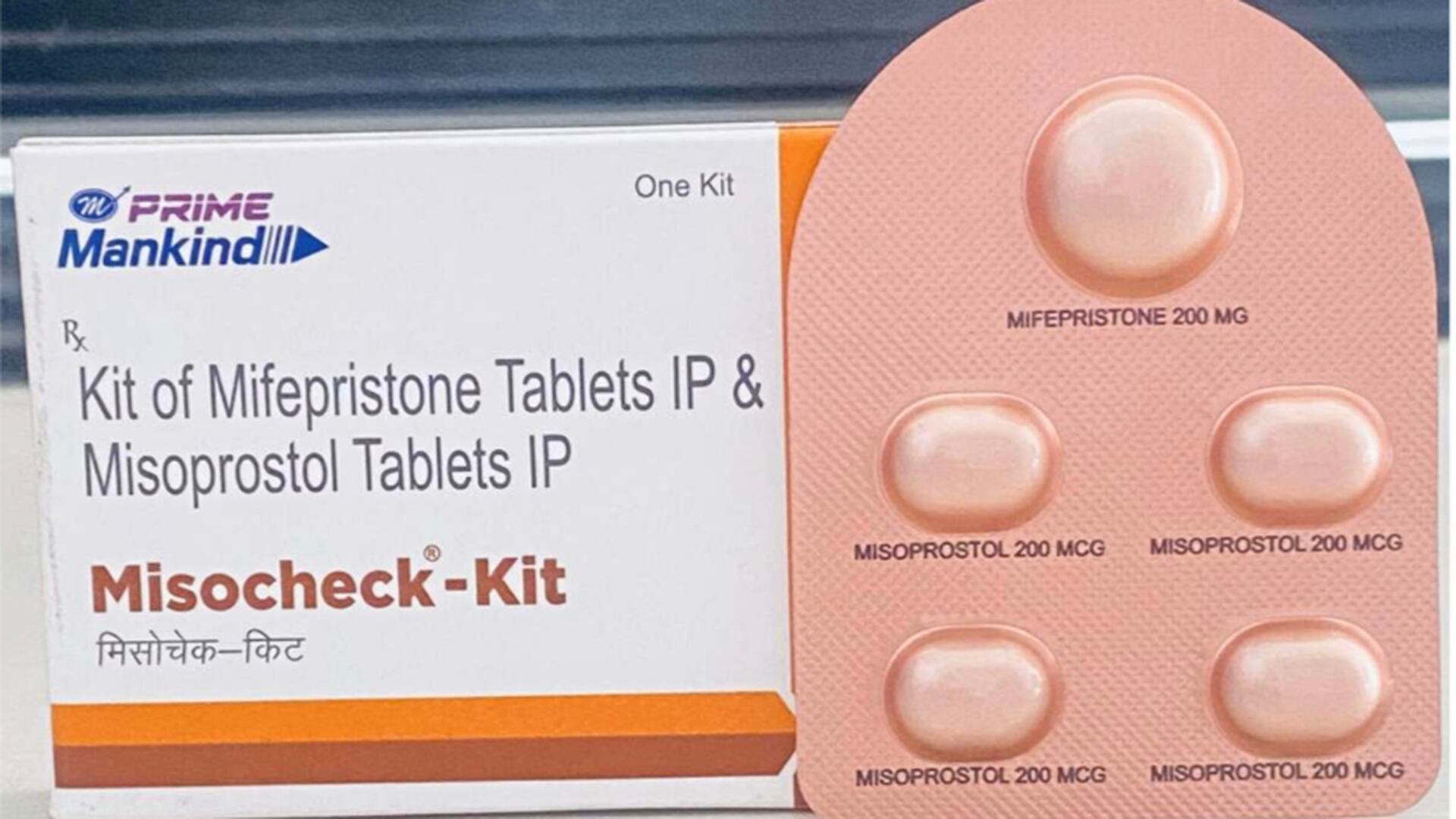
NELSON, B.C. - Health-care providers in British Columbia and Ontario say websites are offering unauthorized and potentially dangerous abortion pills from India by mail and in person.
The services are targeting newcomers, uninsured people, and those with low health-care literacy, they say.
While medical abortion is legal in Canada, abortion medication, like other pharmaceuticals, must be approved by Health Canada and prescribed by a doctor or nurse practitioner (or midwife in Quebec). The services, which are being offered through websites and WhatsApp, provide imported medication of unknown quality, without a prescription or medical supervision.
Staff at the Willow Clinic, which provides medical abortions in Vancouver, estimate they have been contacted approximately 60 times in the last year after callers had interactions with these services, most had purchased the pills and were seeking follow-up care. The callers are seeking care when the medication does not work, there are complications, or they can’t afford the pills.
“It’s not a safe thing to do,” Dr. Renée Hall warned. The physician and medical director of the Willow Clinic said patients who obtain abortion pills through unregulated services are at risk of taking ineffective or unsafe medication.
Medical abortion can be used for pregnancies of up to about 10 weeks but purchasing from unregulated sellers means patients are not assessed for gestational age or conditions that could make the medication unsafe. Buyers are also unsupported if complications arise, said Dr. Hall.
“The greatest risk in these situations is an undiagnosed ectopic pregnancy, which can result in a significant delay in diagnosis and treatment, which can be fatal,” said Dr. Hall.
In May 2023, Health Canada issued a public advisory about illegal sales of abortion and emergency contraception sold illegally on “Dr. Pooja” websites. Nearly three years later, there is a proliferation of similar websites that advertise these services in Montreal, Brampton, Edmonton, Windsor, Kitchener, Vancouver, Calgary, Toronto, Guelph, Hamilton and Ottawa.
“I would like to see more warnings,” said Dr. Hall, who recently treated two patients after they contacted these services.
In one case, a woman who speaks English as a second language paid $400 for pills of an unknown quality, when she could have accessed legitimate medication for free through provincial health-care coverage. The medication did not end the pregnancy, the patient was left without support and ultimately required a surgical procedure.
An Indigenous patient struggling with mental health issues also contacted the service. She couldn’t afford the $400 for the pills and as a result delayed care and ended up getting a surgical abortion when she could have accessed this medication for free.
Websites offering this medication also advertise Indian pharmaceutical products. Health Canada confirms medication being offered on these websites is not authorized for sale or distribution in Canada as prescription drugs imported for sale must have a valid drug licence.
The government agency also advises anyone who has taken these products to immediately seek medical attention.
WhatsApp chats require minimal information
In an attempt to learn more, Sean Birdsell, manager of the Vancouver Island Choice Clinic, which provides reproductive health services, contacted these services. One of the numbers he reached offered pills for $400, which retail in India for somewhere between $5-$10.
He was asked, “How many week positive.” When he didn’t answer, no further medical questions were asked. He was told, “This medicine 100% successful and no side effects.” This is untrue of abortion medication. Health Canada-approved abortion medication Mifegymiso is not 100 per cent effective and, like most prescription medications, it has some potential side effects.
He was told the product could be delivered by mail or could be picked up in person in Surrey, B.C. and was given the number of an overseas bank account in India he could send money to via an e-transfer service.
A Toronto-area clinic owner, who does not want to be named due to fear of reprisal over his work in abortion care, also contacted the number, saying he needed the pills for his girlfriend in order to learn about what was being offered. He said his fictitious partner was 14 weeks, a stage of pregnancy where taking these pills could be dangerous and was still offered the pills. The seller said via WhatsApp, “14 weeks 95% successful.”
Vulnerable communities most at risk
Gillian Weir, a medical office assistant at Willow Clinic, said she has spoken to at least 10 women in the last year who have bought abortion pills from these services, though some patients were intentionally vague about where they got these pills.
Weir spoke to a woman who found these services online. She had overstayed her visa but was 10 weeks pregnant and terrified to use formal health services for fear of being removed from the country.
Another patient took pills obtained from one of these websites, bled for three months and eventually needed to go to the emergency room after tissue was left in her uterus, a complication that can also happen with legal medication. Weir also spoke to several uninsured women who bought the medication, and it did not work, requiring them to pay twice for abortion services.
“These services rely on vulnerable patients,” said Birdsell. He said patients who want to terminate often feel a sense of urgency and may be swayed by easier, albeit unregulated, options like those offered on WhatsApp, especially if legitimate clinics have longer wait times. He added that uninsured immigrant and non-English speaking communities may find the unregulated WhatsApp services more accessible due to factors like cost and language despite the risks.
“I think anytime someone is willing to sacrifice safety in order to access health care, there’s a failure of the system,” said Dr. Dustin Costescu, obstetrician-gynecologist and medical director of the Toronto Abortion Clinic. He suggests that covering these medications for uninsured people could save emergency room visits due to complications from unsupervised medical abortions using unregulated medications.
Dr. Costescu advises patients who may have taken pills from these services to tell their doctor where they came from. “When we don’t have the right information, our diagnosis might be incorrect,” he said, adding that patients will not be reported for buying pills through these sites.
Sites mimic Canadian clinic addresses
These unauthorized websites have been using similar branding, addresses and doctors’ names to legitimize their pages. Dr. Costescu’s name appeared on one of the illegitimate sites selling abortion pills on WhatsApp, but was removed last week.
“It’s obviously very distressing to have your name associated with a clandestine operation that’s not properly regulated,” said Dr. Costescu. Health Canada says impersonating a physician is a criminal offence.
The same website used the branding and a nearly identical address to The Bloor West Women’s Clinic, a legitimate provider of surgical and medical abortions in Toronto.
“Dr. Mahi” is the doctor listed on the website the Willow Clinic employees have heard about most. The website does not include a first name, and no doctor by that last name is registered with the College of Physicians and Surgeons of British Columbia.
Health-care providers concerned
Both Birdsell and Dr. Hall have complained to the College of Physicians and Surgeons of British Columbia about these services. The college said it was unable to disclose whether or not a complaint had been filed.
Birdsell also contacted the Surrey Police about these sites selling unauthorized pills, which confirmed that an officer is investigating one complaint, and the Ontario Provincial Police, which said it is not investigating.
“I can only hope that these regulators feel the sense of urgency that patients do,” said Birdsell.
The owner of the Toronto-area clinic has complained to web providers about the unauthorized sales of abortion medication and the RCMP and is in touch with another clinic that has also been submitting complaints.
Google removed some information from search results but he is frustrated about the pace of action from Health Canada and police forces with the power to stop what’s going on, as “someone’s going to get hurt.”
Meanwhile, Health Canada said it “works to protect all people living in Canada by investigating suspected illegal sales of health products, taking compliance and enforcement actions when warranted” however, said it cannot share specific details to protect the integrity of this ongoing work.
Health Canada advises consumers to exercise caution when purchasing health products online and encourages anyone with information about the illegal or non-compliant sale or advertising of health products to submit complaints using their online complaint form

