A tenured professor at the University of Winnipeg, who has become the focus of a dispute over course material that draws connections between race, IQ scores, and the likelihood of committing murder, insists his claims are factual and shielded by academic freedom.
According to a Manitoba Labour Board decision document from October 2024, a student lodged a complaint against the professor, who teaches in the university’s psychology department, over claims made during class.
The complaint alleges that the professor “has explicitly said that Black individuals’ IQ scores may be lower because of genetics,” adding that he has also “presented data showing that Black people are 4.5x more likely to commit murder than White people.”
The student further alleges the professor “largely misrepresented” the data and that his conduct may constitute discrimination and harassment by implying racial differences in ability.
In a statement to CTV News, Dr. Jeremy Frimer confirmed he was the subject of the complaint but denied misrepresenting the data, claiming the material was “fact-based.”
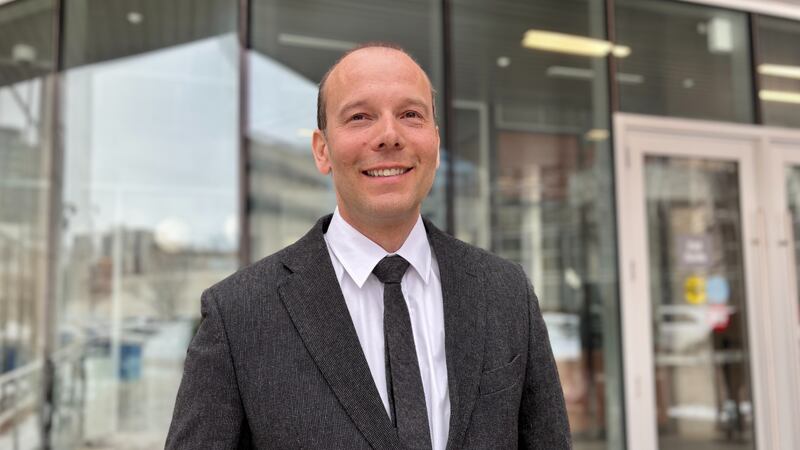
“Every observation and data point that I described are unfortunately legitimate scientific findings. I wish it were not true, but my feelings don’t determine scientific findings. My job is to report the world as it is, not how I wish it were,” Frimer said in part.
Professor says complaint misses context
Frimer, a full professor with tenure according to a university spokesperson, said the material was covered in his class on Psychological Approaches to Social Issues.
A copy of the course outline he provided describes the course as one that “investigates major social issues of our time and how psychological science can shed light on them” and touches on issues including racism, climate change, economic inequality, and AI.
He said the course was developed to help students examine issues from multiple perspectives to cultivate respect for different views and develop intellectual humility—“realizing that both sides have some facts on their sides, but neither has a monopoly on the truth.”
“In this context, I cover what is easily the most uncomfortable data points in the course that concern racial differences and the hypothesized role of genetics,” he said.
Frimer, who said his great-grandfather was murdered by Nazis who believed in genetic superiority, said he views the ideas presented at that point in the course as “disgusting” and says he relays that to his students.
“But my role is not to preach. It’s to inform, and I do so with full contextualization and caveats,” he told CTV News.
“The student complaint sounds terrible when digested in meme form, totally devoid of context. The missing context is that I am a professor of social and political psychology. I study how people on the political left and right process information and relate to one another.”
Frimer said there is “no debate in the literature about whether there is an IQ gap between white and black people,” but added that the cause of that gap—whether it stems from biased tests, systemic racism, or other factors—remains contested.
“I cover all of these left-leaning explanations in great detail,” he said, adding that he also addresses debates around IQ heritability.
Regarding murder rates by race, Frimer said he is “deeply saddened and disappointed with the data” and that his course also explores the role of systemic racism in concentrating people into violent neighbourhoods.
“Following this, I launch into a lengthy discussion and coverage of the historical context that gives rise to these disparities: the role of historic racism, from slavery to Jim Crow, to redlining, to implicit racism that lives on to this day. And then I discuss at length the potential dangers of perpetuating stereotypes,” he said.
“After taking the course, students are able to make a strong, passionate, fact-based argument in favour of Black Lives Matter. And they are able to explain the views of figures like Charlie Kirk.”
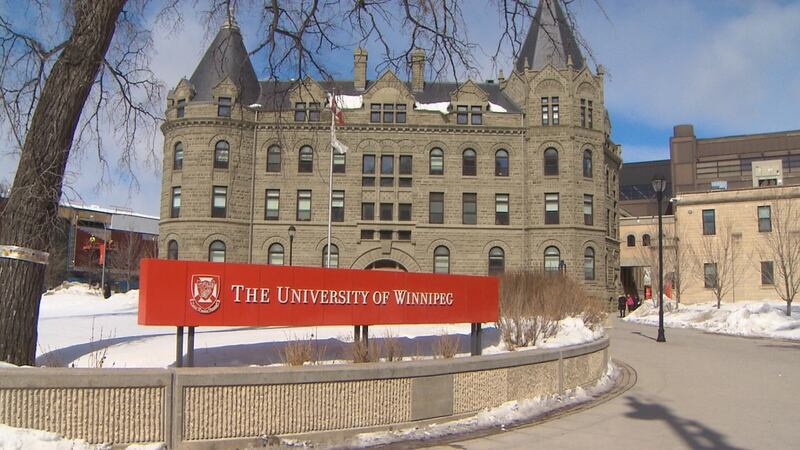
The course outline notes it covers sensitive and controversial topics and that some students may find some ideas shared to be “offensive, hurtful, or wrong.”
“The intent in covering these topics is to inform, not offend. Students are encouraged to bring an open mind, express their opinions, and to do so in a manner that is civil and sensitive to others’ feelings,” it reads.
Manitoba Labour Board applications dismissed
The labour board document says Frimer was notified of the student complaint on Jan. 19, 2023, and that the university would be launching a disciplinary investigation. He subsequently asked the University of Winnipeg Faculty Association (UWFA) to file a grievance on his behalf, alleging violations of his human rights and academic freedom, along with discrimination and harassment. The UWFA declined.
“The applicant alleged the (UWFA) failed to file a grievance on his behalf and is incapable of defending members who do not ‘conform to their hard-left political ideology’ and therefore requested a remedy of an independent representative to pursue a grievance,” the filing reads. The application was dismissed.
“Filing a grievance in the future was not precluded, but the investigation needed to proceed and come to a final determination… If the investigation concluded the student’s complaint was unfounded, there would be nothing to grieve,” it reads.
Frimer went on to file three separate applications with the Manitoba Labour Board, all of which were dismissed. In one, he claimed the university had tried to “censor him” for over two years.
Frimer also alleges the investigator initially found the student complaint insufficient but then launched what he described as a “witch burning, making up an extensive set of her own manufactured particulars that were not legitimate grounds for an investigation.” He further claims he was threatened with discipline by the university for stating that he felt he was being discriminated against.
Lawsuit filed against U of W, faculty association
Frimer also launched a lawsuit last month against the university and its faculty association, alleging their actions left him without any forum to resolve workplace complaints and created a “lawless space.”
The legal action seeks to have the court assume jurisdiction over his complaints, though the full scope remains unclear due to a redacted statement of claim and affidavits filed under seal.
When asked whether the 2022 student complaint referenced in the court filings is the same one described in the labour board’s decision document, Frimer said he could not confirm, citing confidentiality clauses and sealed filings.
Frimer has previously described the case as a “premeditated campaign to fire me regardless of my conduct and tenure as a professor.”
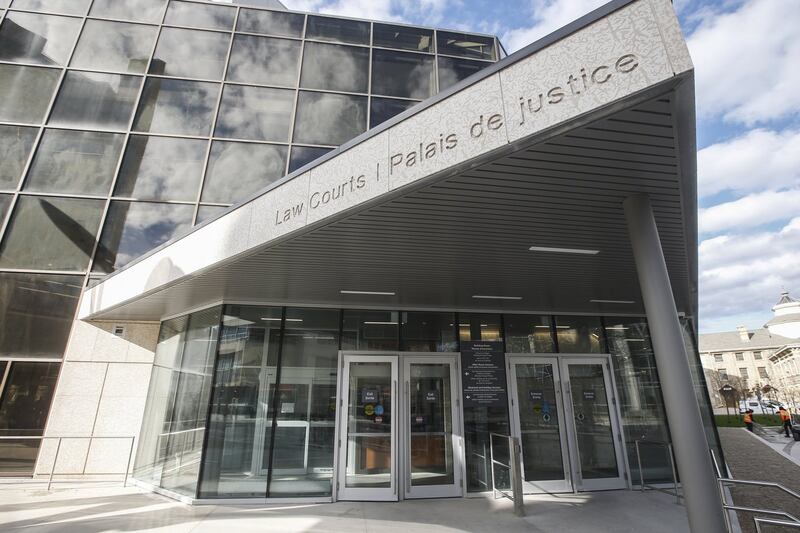
At a hearing Wednesday—the first in the matter—lawyers for the faculty association and university moved to have the action dismissed, arguing the subject matter had already been adjudicated. Both defendants also said they have no confidentiality concerns and that the sealing order is unnecessary.
“The sealing order has entirely everything to do with my concern about reprisal,” Frimer told Court of King’s Bench Justice Shauna McCarthy.
“I’m not trying to protect any of the information for my personal reasons, as long as … there’s a declaration that I’m protected from reprisal for making disclosures to this court, I’m happy to rescind that request,” said Frimer, who is self-representing.
A half-day hearing is expected to be scheduled for sometime after July 6.
“I’m hoping for a hearing on the merits about whether this is the right place for this or not, and it looks like it’s going to happen,” Frimer said afterwards outside the courtroom. “I’m hoping that this case ends up resulting in changes to the legislature where there’s a safety valve, so it never gets to this ever again.”
When asked if he still stands by his previous comments that his experience with the university is worse than his own experience with cancer, he said, “I do.”
“When I had cancer, I obviously had something terrible, but I also had a lot of support,” he said. “My experience at the University of Winnipeg has been, first of all, much more protracted… I’ve been entirely alone about it. Confidentiality clause means that I have to not talk to anyone about it, and my experience is that I don’t have human rights and Charter rights.”
Frimer said he’s been on sick leave from the university since November 2025 because of the matter.
CTV News had reached out to the University of Winnipeg and the UWFA for comment. A spokesperson for the university declined to comment, saying the matter is before the courts.
None of the claims have been tested in court.

