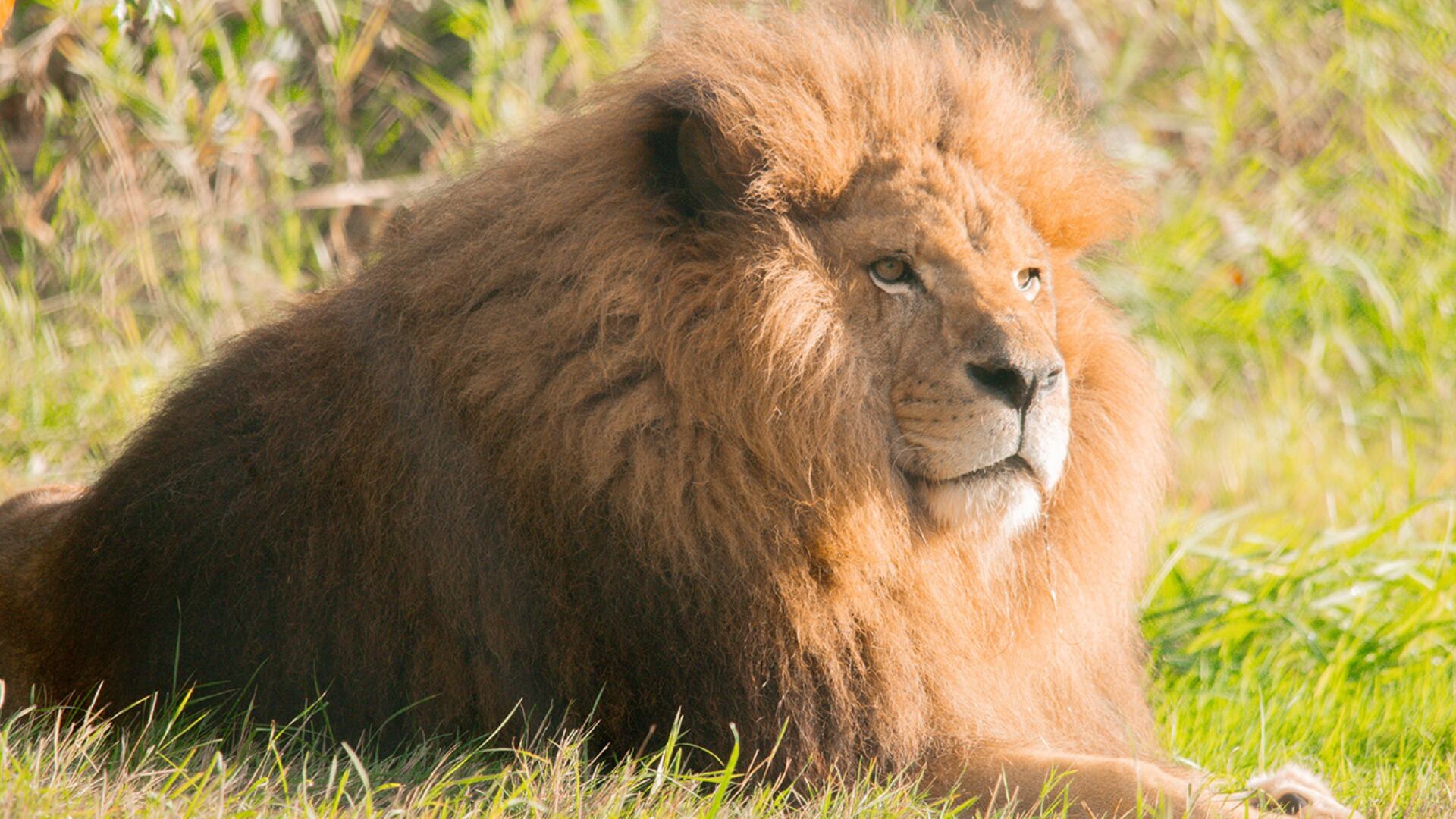
The Greater Vancouver Zoo in Langley is mourning the death of its 18-year-old male lion Boomer, who was euthanized this week after a “rapid decline in his quality of life” due to “end-stage renal disease.”
The zoo announced the death in a statement on its website Wednesday, saying Boomer had been “receiving ongoing treatment” for his chronic kidney disease since last year.
Boomer was the most senior lion in the zoo’s care, and he experienced “age-related health challenges,” the zoo said, noting that kidney disease is “commonly seen in older felids.”
“After careful and compassionate deliberation, and in consultation with our veterinary and animal health and welfare teams, we made the decision to humanely euthanize Boomer,” the zoo’s statement reads, describing the lion as “a beloved member of the Greater Vancouver Zoo family.”
The zoo described Boomer’s life as “remarkable,” noting that he was “found as a young cub wandering near a highway in Quebec.”
He was taken first to Granby Zoo, and later brought to the Langley facility at age three.
“Over the years, Boomer grew into one of the zoo’s most iconic animal ambassadors, helping to raise awareness for his species and the challenges facing African lions in the wild,” the zoo’s statement reads.
“He became known for his calm, dignified presence, forming a lasting connection with guests, members, and staff alike.”
According to the zoo, teams had been managing Boomer’s disease with specialized nutrition, medications and regular veterinary assessments.
“Throughout this time, he continued to receive enrichment, individualized care, and the familiar routines that helped him remain comfortable and engaged for as long as possible,” the zoo said.
The lion’s condition had “declined significantly” in recent weeks, the zoo said, adding that he had lost his appetite and was experiencing “increasing discomfort.”
“Boomer lived a long life shaped by care, stability, and connection,” the statement concludes. “He will be deeply missed by the dedicated team who cared for him each day, and by the many visitors who felt a connection to him over the years.”

