As Cuba’s power grid continues to take a hit with rolling blackouts and a U.S.-imposed energy blockade, Canadians want Ottawa to encourage a resolution, according to recent data from Nanos Research.
A survey commissioned by CTV News shows a slim majority, 54 per cent, of Canadians want the federal government to encourage the United States to ease the restrictions that are affecting energy shipments to Cuba.
Earlier this year, U.S. President Donald Trump began restricting oil shipments to the Caribbean country. The blockade has led to widespread fuel shortages and nationwide blackouts, at times leaving the country’s 10 million people in the dark.
- READ MORE: U.S. lawmakers visiting Cuba denounce island’s ‘economic bombing’ under energy blockade
- READ MORE: Cuba releasing 2,010 people as the U.S. pressures the island’s government
- READ MORE: Cuba begins to restore power after third nationwide collapse in a month
The Nanos data suggests 38 per cent of Canadians don’t want Ottawa to get involved in U.S.-Cuba relations and another eight per cent were unsure.
The energy crisis continues to impact hospitals, food transportation and the country’s tourism sector.
Several resorts had to consolidate guests or close temporarily during what are typically considered peak travel times for the country.
“It went from what was supposed to be a great season (for tourism), to nil,” said Travel Secure Inc. president, Martin Firestone. “Travel has gone to zero.”
Energy crisis leads to tourism decline
The survey comes about two months after all Canadian airlines suspended service to Cuba indefinitely.
Since mid-February, the Government of Canada’s travel advice has urged Canadians to “avoid non-essential travel to Cuba due to worsening shortages of fuel, electricity, and basic necessities including food, water, and medicine.”
International airlines, including American Airlines and Delta, are still offering flights into the Caribbean country.
Due to the Canadian government’s travel advice, Firestone says vacationers who travel to Cuba with other airlines wouldn’t be covered under cancellation or interruption insurance, if the fuel shortage impacts their trip.
Most people aren’t travelling to Cuba in the off-season, from now until October or November, anyway, Firestone said. But he believes it could be even longer before Cuba’s tourism sector rebounds.
“Should this problem get corrected, I’m not sure who’s running back there at all in the near future, because you’ve still got a host of issues,” he said.
In early February, Canadians were stranded in Cuba as the energy crisis worsened.

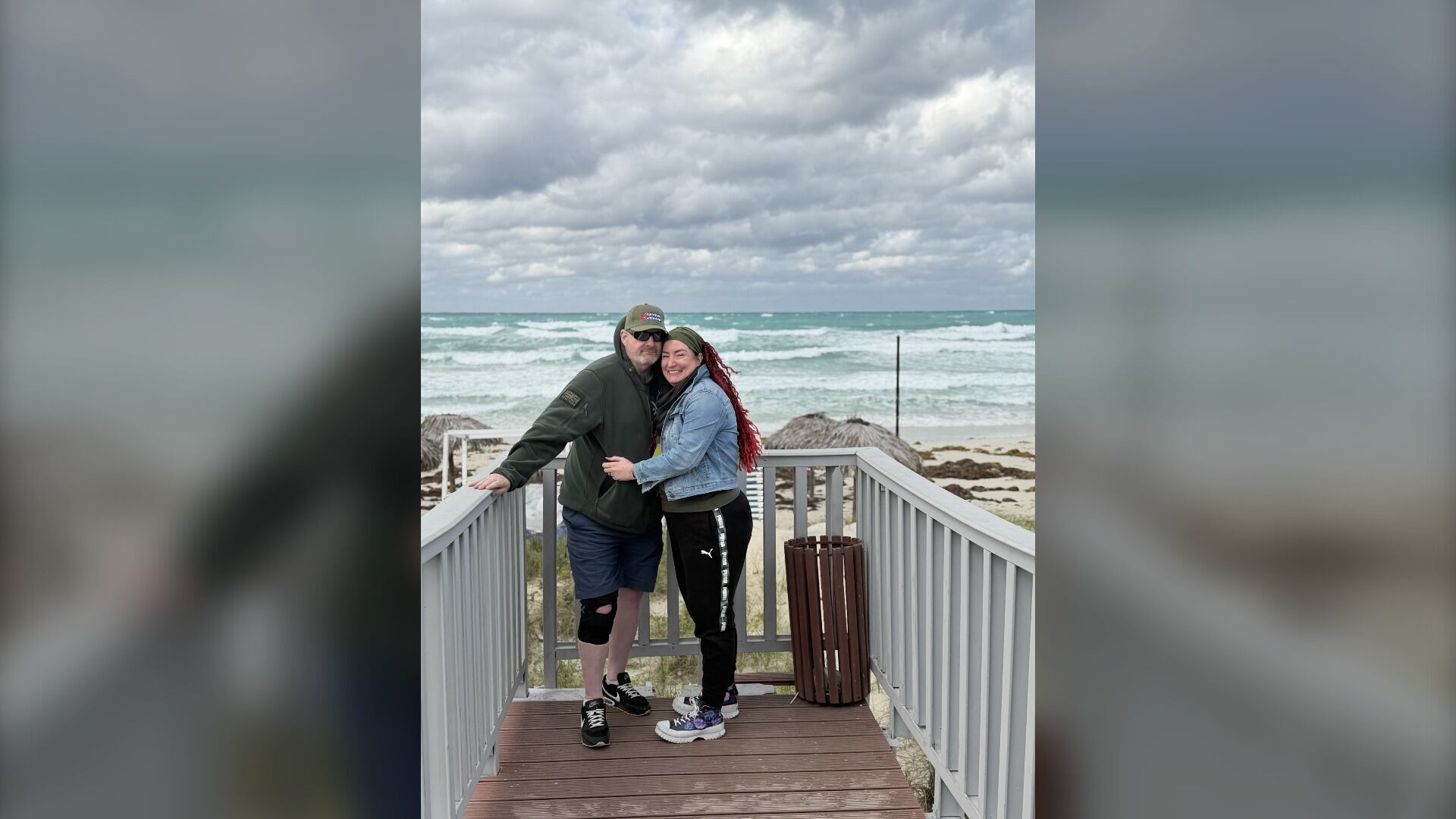
Ottawa resident Donna Van Leusden travelled to Varadero with her family at the end of January, right before flights were suspended.
“It was a little bit nerve-wracking, but we’d been really reassured that things were good there,” Van Leusden told CTV News.
The energy crisis didn’t impact their family vacation, but the looming threat had already turned away many other guests.
The resort was at 25 per cent capacity, she said, with “next to no one” at all the usual tourist hot spots.
“It was really disheartening because the people of Cuba depend so much on tourism dollars and things are really, really tough there right now,” Van Leusden said.
Van Leusden and her family booked their trip through a group called Not Just Tourists that gives medical supplies to travellers, who then take it to local clinics and hospitals in other countries that need it.
She says her visit to the Cuban hospital was a highlight of the trip. She’s already planning to go back next year, if the fuel shortage is resolved and Canadian airlines resume service by then.
“The people are beautiful. It’s such an incredible country and the spirit there is so open and kind,” she said.

