Ever since Europe’s airport industry group warned the continent could face a systemwide fuel shortage within three weeks, Claire O’Donoghue has been uncertain whether her trip to Portugal in early September will still go ahead.
“I’m just kind of worried about what could happen, especially not having everything set in stone, but just kind of waiting to see what the inevitable might be,” said O’Donoghue from her Whitby, Ont. home, in an interview with CTV News Sunday. “Adding on insurance is definitely something we would consider.”
Travel agents tell CTV News they’ve been fielding calls and questions from clients and travellers who are questioning going ahead with their European travel plans for the summer.
“What we’re seeing most is hesitation, ” said Jason Sarracini, owner of OST Travel Inc., in an interview with CTV News from his Toronto office. “If they’re in the planning phase, they’re just pausing and waiting for things to stabilize.”
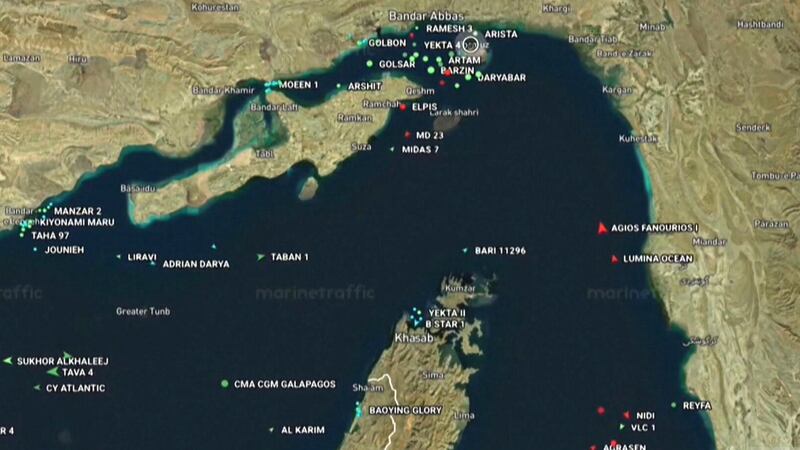
The possibility of a jet fuel shortage in Europe has been growing since Iran blocked the Strait of Hormuz to U.S. ships and those of its allies in March, in response to U.S. and Israeli airstrikes in February. Roughly 40 per cent of the world’s jet fuel supply is transported through the strait.
Tensions escalated further on Sunday after U.S. President Donald Trump threatened to take the partial blockade by Iran a step further by having the U.S. Navy stop all ships from passing through the key oil and liquefied natural gas shipping corridor.

According to travel agents interviewed by CTV News, there has been a surge in Canadians boycotting travel to the United States since it imposed tariffs and launched a trade war — instead shifting their travel plans to European destinations this summer.
“If they still want to make plans and they still want to go, it’s still a good time to book,” said Sarracini. “The price increases are coming but that can only go to a certain level because once it gets too high, the demand starts to fall. So they still want to see that demand there, especially in a peak season like summer.”
Travel agents say there are three items on the list that Canadians should check off before planning a trip across the Atlantic Ocean into Europe: buy tickets early, leave extra room for any connections and pay for travel insurance.
“So the recommendation, needless to say, is to book early,” said Martin Firestone, a travel insurance expert with Travel Secure Inc. “Flights will never be less money than they are now, even though it’s going to be sticker shock, no question about it.”
Firestone said travellers should give themselves more time than they usually would between flights -- and also arrive at their destination with extra time to catch a cruise, bus or other forms of transport.
“Make it flexible to some degree, where you’re not having to catch the cruise ship the next day after you land, because if that flight does not leave that day, you’re out of luck to catch up with the cruise,” he said.
“It’s one thing to have higher prices due to fuel shortage and fuel costs, but at the end of the day, the big concern is that they will consolidate flights ... They will have delays in flights, and ultimately it could affect things like you meeting up with, for instance, a cruise, getting to a rental that you had booked for a summer vacation that’s going to cause tremendous problems.”
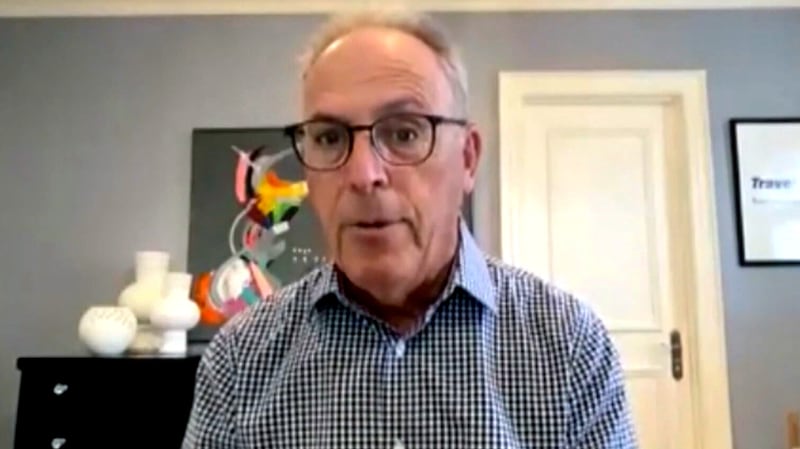
McKenzie McMillan, a travel agent with The Travel Group, told CTV News that now is the time to invest a bit more in travel insurance.
“We definitely always advise travellers to be getting trip interruption and cancellation insurance, whether there’s a crisis in the Middle East or whether it’s a normal day of travel,” said McMillan. “So that’s a cost we generally advise you put into your overall travel costs regardless. But, we’ve definitely heard some apprehension from travellers.”
Travel insurance experts recommend checking what the policy will and will not cover before purchasing, as coverage may depend on when you purchased your tickets and other factors.
McMillan said that if the Strait of Hormuz remains blocked, airlines will likely prioritize major routes between key hubs while reducing or cancelling flights to less popular destinations.
Airlines may also switch to more fuel-efficient aircraft, which are often smaller — meaning flights could become overbooked or leave some passengers without seats.
While European airlines might be seeing a jet fuel shortage in weeks, Canadian airlines have said they are not expecting the same impact.
Air Canada told CTV News on Sunday that they “do not foresee any jet fuel shortage for now.”
Flair Airlines director of communications Kim Bowie said in an email to CTV News that the airline is not currently experiencing fuel supply shortages on its routes.