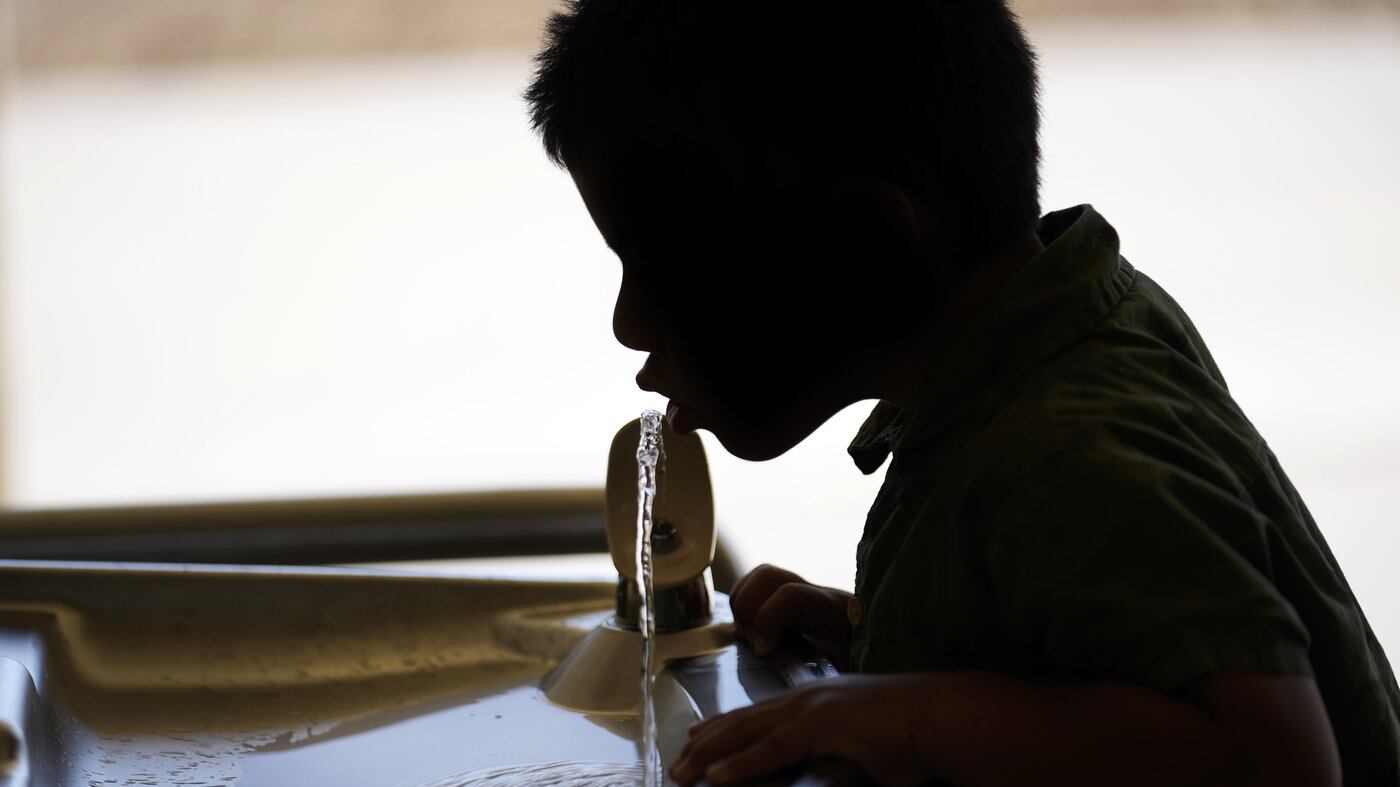
The Government of the Northwest Territories has shut down certain water fixtures at two schools after testing revealed elevated lead levels, triggering a public health order.
In a statement released Monday, officials confirmed that some drinking water fixtures at Echo Dene School in Fort Liard and Inualthuyak School in Sachs Harbour exceeded the maximum acceptable concentration (MAC) for lead under Health Canada guidelines.
According to Health Canada guidelines, lead levels should not exceed five micrograms per litre and copper levels should not exceed 2,000 micrograms per litre.
As a result, the territory’s office of the chief public health officer (OCPHO) has issued an order requiring immediate action. Affected fountains and fixtures have been taken out of service and alternative drinking water sources are being provided where needed.
Territorial officials say remediation efforts are underway. These include replacing fixtures or installing filtration systems.
Follow-up testing will be conducted once corrective measures are complete and fixtures will only be returned to use after water quality meets safety standards and receives public health approval.
Meanwhile, testing results from three other schools — for K’alemi Dene School in Ndılǫ, Charles Yohin School in Nahanni Butte and Mangilaluk School in Tuktoyaktuk — showed no concerns.
All drinking water fixtures in those schools were found to have acceptable lead limits and continue normal use.
Mangilaluk School, however, will undergo additional testing once ongoing renovations are complete.
Schools scheduled for testing include:
- Charles Tetcho School – Sambaa K’e
- Ehtseo Ayha School – Délı̨nę
- Kakisa Lake School – Kakisa
- Jean Wetrade School – Gametì
- Deh Gáh School – Fort Providence
- Mezi Community School – Whatì
- Łutselk’e Dene School – Łutselk’e
In the press release, government officials said the testing is part of a territory-wide initiative to assess drinking water quality in all schools across the Northwest Territories.
It added that schools are prioritized based on factors such as building age, past water quality data and student age, though testing may occur when staff are already travelling to communities.
The territorial government says it will “reimburse reasonable, cost-effective expenses so that no school hesitates to act out of concern for budget impacts.”

