
Social media users using an experimental weight-loss drug c are reporting that it is making people “fall out of love.”
Juan Zuniga, who goes by the handle @thezunigas on Instagram, says there is a “theory” that retatrutide, also referred to as “reta,” will make you “fall out of love” because it affects dopamine and reward pathways.
Beau Kuhberg, another social media user who goes by @beaukuhberg on Instagram, calls out the “dark side of retatrutide,” which he claims to be “anhedonia” – a condition with a reduced ability to experience pleasure.
But how much of this is true and how much is just conjecture?
Dr. Mary Sco, a physician and nutrition expert, told CTV News Monday that this social media chatter is “theoretical” so far, since there has been no evidence presented of retatrutide having any kind of an effect on the emotions of users regarding love or relationships.
How does retatrutide work?
Retatrutide is a weight-loss medication designed to treat obesity and Type 2 diabetes. However, it is still in clinical trial stages and not yet commercially available.
It is similar to drugs like Ozempic (semaglutide), which stimulates a single hormone (GLP-1) that slows digestion and reduces appetite, as well as Mounjaro (tirzepatide), which targets two different hormones: GLP-1 and the gastric inhibitory peptide (GIP) to help curb appetite.
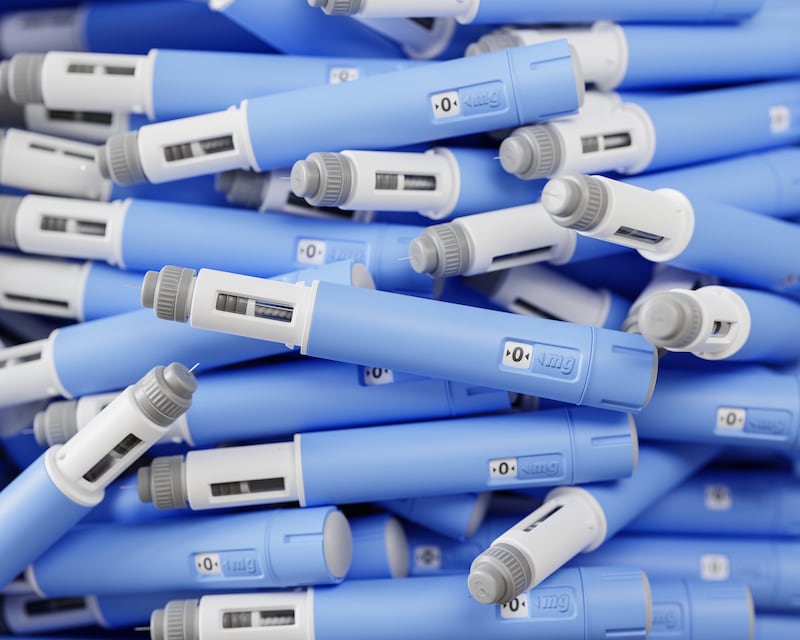
However, unlike other weight-loss drugs, retatrutide targets three specific hormones: GLP-1, GIP and glucagon, which raises a person’s blood sugar.
Sco pointed out that in theory, all weight-loss medications prescribed to treat obesity and Type 2 diabetes can “blunt” the amount of dopamine released in the brain when eating food.
‘Response to dopamine is being blunted’
Sco said the drive to eat is fuelled by the brain rewarding us for eating, because it’s a “survival enhancing activity.”
“But we know that when you take these medications, the amount of dopamine – which is a feel-good neurotransmitter that’s released in your brain and makes you feel pleasure – is actually decreased, and that’s part of what makes these medications work," she said.
What that means is anyone taking these medications would not feel the same amount of pleasure that they would normally get from food, which in turn decreases their drive to eat, Sco explained.
“We know that dopamine also plays a role in things like attraction and love, so theoretically, if your response to dopamine is being blunted, you’re not going to experience the same motivation and reward that you would experience without these medications,” she said.
Evidence, research required to back up claim
Dr. Mahyar Etminan, a senior epidemiologist and clinical pharmacologist with Epilytics, told CTVNews.ca in an email Friday that the cases of patients experiencing “apathy” on these drugs needs to be studied further.
“What makes it challenging is that some people on these drugs may already be depressed or have (a) low mood, making it seem like the drug is the culprit when in reality it is their pre-existing mental-health condition,” Etminan wrote.
“By lowering the release of dopamine – a key ‘feel-good’ chemical – (it) can reduce the sense of reward from everyday activities. As a result, some people may feel less motivated or emotionally engaged, which can show up as apathy,” he added.
Possible application for curbing substance use
According to Sco, these weight-loss medications can also help with addiction, because it curbs the same feeling in the brain that one would get from substance use.
“We’re not going to get the same pleasure from any activity, whether it’s food or whether it’s a substance,” she said.
Everyone reacts to medications differently, and there is always a chance that certain people could experience something new when they start a medication, she added.
Sco said she was “somewhat surprised” to hear about these social media reports, since most people in her experience have been elated when they’re on this medication.
“No one has come to me with this side effect,” Sco said. “Most people come back really happy when they’re on these medications because they’re losing weight.”

