From the party décor industry to the health-care system, a worldwide helium shortage – the fifth in two decades – runs the risk of threatening operations in Canada.
The gas, particularly in its liquid form, plays a big role in semiconductor manufacturing, aerospace, defence applications, university research and medical imaging operations.
“We often think of helium as a novelty item with balloons, but it’s far from that,” said Richard Dunn, executive director of Helium Developers Association of Canada. “So much of it is used for these high-tech applications that are central to our way of life.”
Shipping constraints through the Strait of Hormuz and damage to a production facility in Qatar have essentially cut off one-third of the world’s helium supply.
Canada’s health-care system is monitoring the global shortage closely as liquid helium plays a crucial role in cooling down MRI machines.
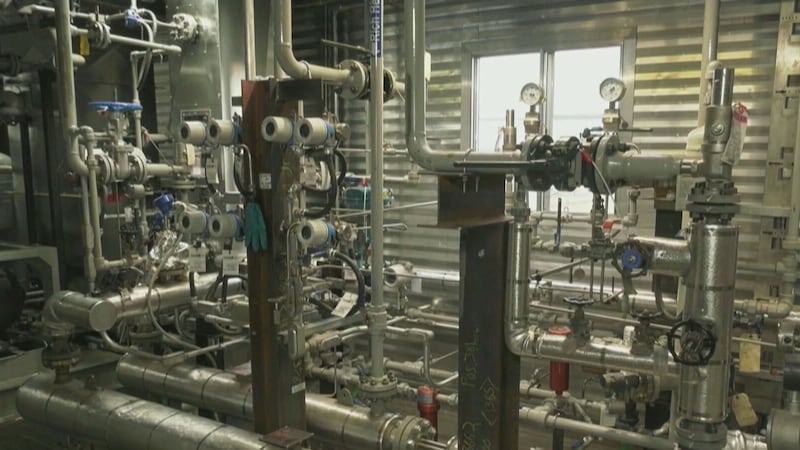
Last month, Saskatchewan’s health authority was warned by its supplier that its helium allocations could be cut in half due to the shortage. However, officials say they are still receiving their normal supply of medical helium.
“Currently, we are not anticipating any impact on SHA MRI operations. Once an MRI is filled with helium, it can operate for many months without replenishment,” the health authority said in a statement.
HealthPRO Canada secures medical supplies, pharmaceuticals and equipment for more than 2,000 hospitals across the country. They’ve been reassured by their suppliers that the medical helium supply is being prioritized.
“There is no system-wide shortage, at this time, impacting patient care in Canada,” said Christine Donaldson, CEO of HealthPRO Canada.
“We’re seeing some targeted pressures, but it’s not a system-wide issue and these pressures are being actively managed.”
Donaldson says the organization has back-up plans and multiple suppliers to help mitigate any supply disruptions.
‘A finite resource’
The shortage also has balloon shops, that once relied on helium to draw in customers, reconsidering their business models.
Tanna Dietrich, who owns Balloon Bar YQR, said their supplier gave them an hour’s notice that they would no longer be receiving helium.
“We were told that everything was going to be diverted to medical use only,” Dietrich told CTV News.
She had two options: let her balloon business fold or pivot in a new direction.
In the last two weeks, Balloon Bar YQR has removed all helium items from its website. They now focus on air-filled arrangements that Dietrich says allows for more creative, longer-lasting items.
“We have no intentions of going back. It’s always going to be a finite resource,” she said.
Since opening eight years ago, Dietrich says she’s experienced three global helium shortages. Each one has made the finite resource more expensive.
In 2018, she says a tank of helium cost $200. With the most recent price hikes that came down last week, she now can’t get a tank for less than $1,200.
“We’re really going to pivot and be an air-filled premium décor business that is not reliant on external factors like helium,” she said.
Demand for domestic supply
Most of the world’s helium supply comes from the United States, Qatar and Russia.
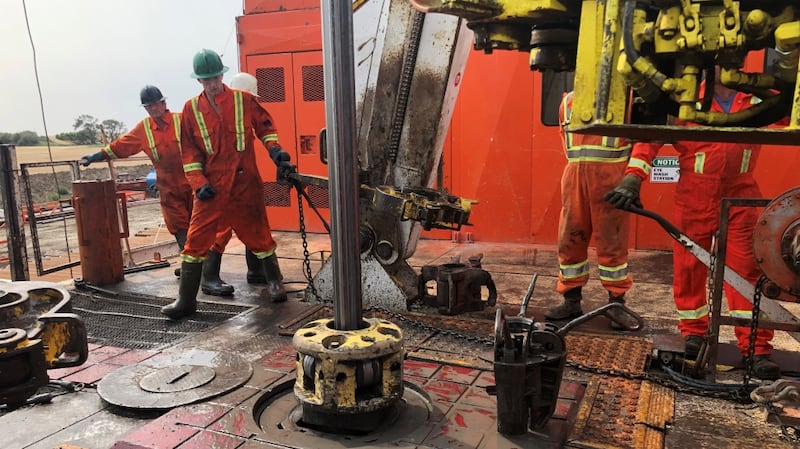
Canada produces a limited amount of helium, which needs to be shipped to the U.S. for liquid processing before it can be used by Canadians, according to Dunn.
He says the global shortage is putting pressure on the U.S. supply, which results in pressure placed on Canada.
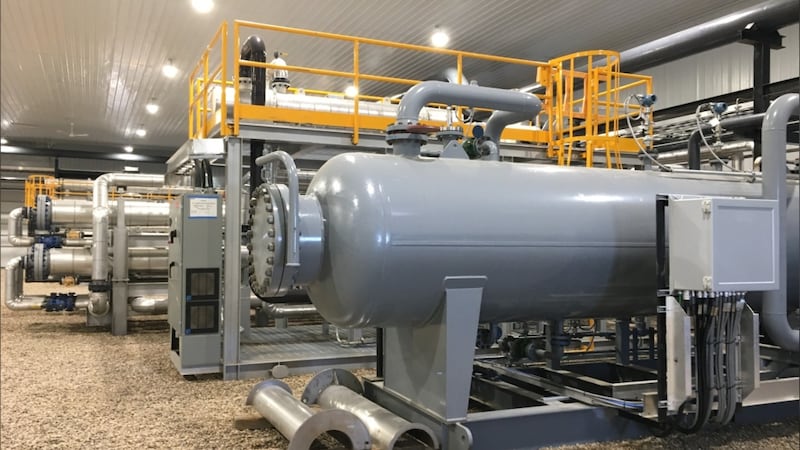
“We don’t have, at this point in time, a domestic supply chain and we’re completely reliant on the imports from the United States for our liquid helium needs,” he said.
Canada does, however, have “significant helium resources” across the prairies.
Saskatchewan, Canada’s leading producer of helium, supplies about three per cent of the world’s total supply.
The provincial government has plans to grow the sector to 10 per cent of global production by 2030. However, federal taxes and current policies have stalled the growth, Dunn said.
“Once the production has grown and there’s that confidence in a long-term, viable supply of helium gas, then you’ll see companies willing to invest in liquefaction plants,” he said.
Saskatchewan’s energy minister Chris Beaudry travelled to Ottawa this week to advocate for policy changes.
“We’re asking for helium to have the same standard tax treatment that all other critical minerals have That small change is going to be massive to industry, and that’s going to unlock a lot of opportunity for us,” he said.

