The CEO of Universities Canada says the country is falling behind in the global race to attract the world’s best and brightest students.
“Prime Minister Mark Carney is going around the world trying to make us leaders in energy, artificial intelligence and agrobusiness but we’re going to need the most talented people the world to succeed in those businesses and right now we’re falling behind,” says Universities Canada CEO Gabriel Miller.
The federal government has set a goal to drastically reduced to number of temporary residents in Canada, in part to take the pressure off public services and housing, though caught in the numbers game are international students.
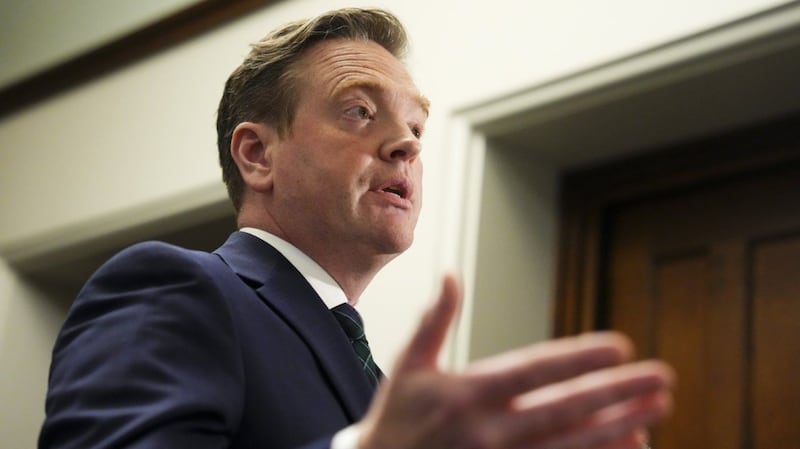
In November’s federal budget, Finance Minister Francois-Philippe Champagne announced that Ottawa’s plan was to return immigration to sustainable levels.
“We are taking back control of the immigration system and putting Canada on a trajectory to bring immigration back to sustainable levels, allowing us to fulfill the promise of Canada to the people who call it home,” said Champagne at the time.
“Our plan will restore control and will provide clarity and consistency to the immigration system while maintaining compassion in our choices and driving competitiveness in our economy,” said Champagne at the time.
The number of new Canadian student visas approved in Canada dropped by 64 per cent in 2025, according to Immigration Refugee and Citizenship Canada (IRCC) data that’s been analyzed by the student recruitment firm Apply Board.
The analysis found that the IRCC processed approximately 211,000 new post-secondary study permit applications in 2025 and approved just over 75,372 applicants. In 2024, 209,023 were approved, in 2023, newly acquired post-secondary permits peaked at more than 435,000.
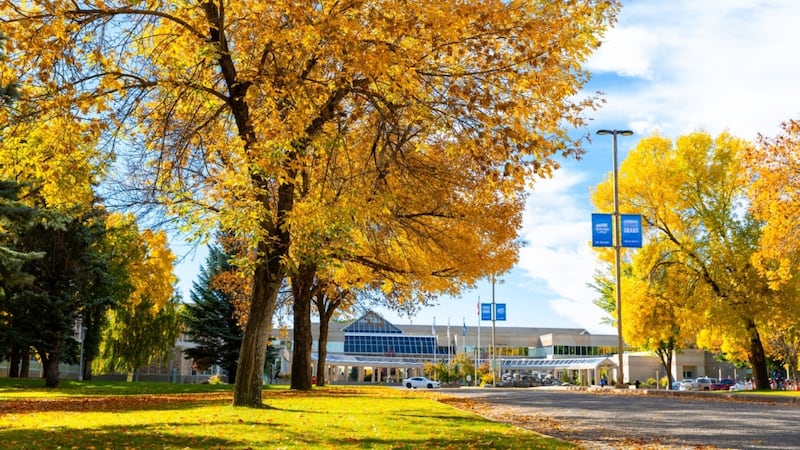
The sudden decrease in international student tuitions has left both Canadian colleges and universities in a bind.
“The entire higher education system has been hit hard by the drop-off of international students, which has been compounded by the underfunding of colleges and universities over the last 20 years and it’s appearing in different ways on different campuses,” says Miller who spoke to CTV News from his office in Ottawa.
Just last week, Ontario’s Fleming College and St. Lawrence College announced a first-of-its-kind merger of the two post-secondary institutions, in part to improve their long-term financial sustainability.
In Alberta, Lethbridge Polytechnic recently told CTV News that revenue from international student tuitions is down 40 per cent.
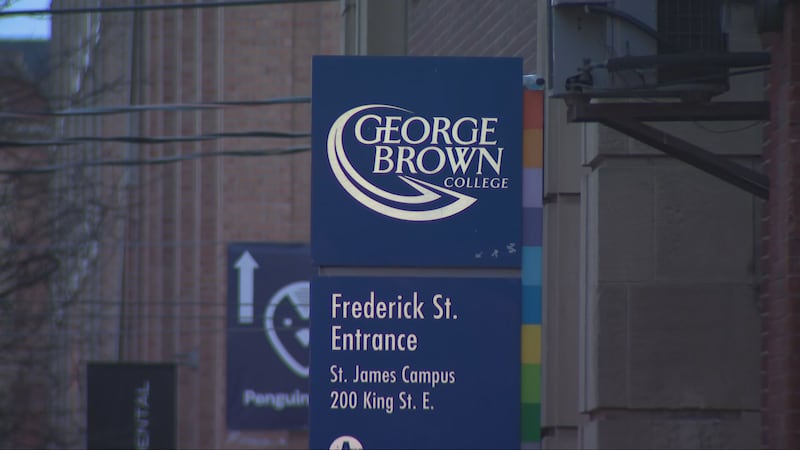
This week, Toronto’s George Brown Polytechnic issued layoff notices for 82 employees, following 51 additional terminations that were issued just last month.
In an email to CTV News a spokesperson for George Brown wrote in part that “like many post-secondary institutions, we continue to face financial pressures, largely driven by changes to international student policies introduced by IRCC across Canada beginning in 2024, which have affected enrolment across the sector.”
One concern shared by some post-secondary educational leaders is the sudden drop in newly approved study permits, which sends mixed signals to some of the top international students.
“We’re digging ourselves out of a hole with students around the world from a lot of uncertainty and a lot of change in a very short period of time” shares Miller.
Miller believes the federal government must sit down with provincial leaders across the country to draft a made-in-Canada national strategy to entice the world’s best and brightest.
“Imagine a company that didn’t have an HR plan, as a country that’s where we’re at, the only way you can build (a national strategy) right now in Canada, is if you get provincial governments and the federal government around the same table,” says Miller.
The Universities Canada CEO believes it can be done, and with the nation-building being proposed by Ottawa, time is of the essence to ensure the economy of the future is left in the hands of graduates, educated right here in Canada.

