Sudanese Canadians, former politicians and humanitarian groups are ramping up pressure on the Canadian government to take more action to aid Sudan — in what the United Nations has called the world’s worst humanitarian crisis.
But in marking the three-year anniversary of the brutal civil war, those same groups say they’re concerned that Canada and other western nations aren’t giving the same attention to Sudan as they have to other war-ridden nations.
According to experts, those reasons range from security to racism to political ties.
Retired general Roméo Dallaire, who served as the United Nations’ force commander during the 1994 genocide in Rwanda, questions whether security is an issue that’s preventing European and North American nations from aiding Sudanese civilians.
“That sounded exactly the same in 1994 in Rwanda, when nobody wanted to come and stop this. Because why? It had no impact on the UN, the world — and so we don’t look at the human angle,” said Dallaire in an interview with CTV News on Saturday.
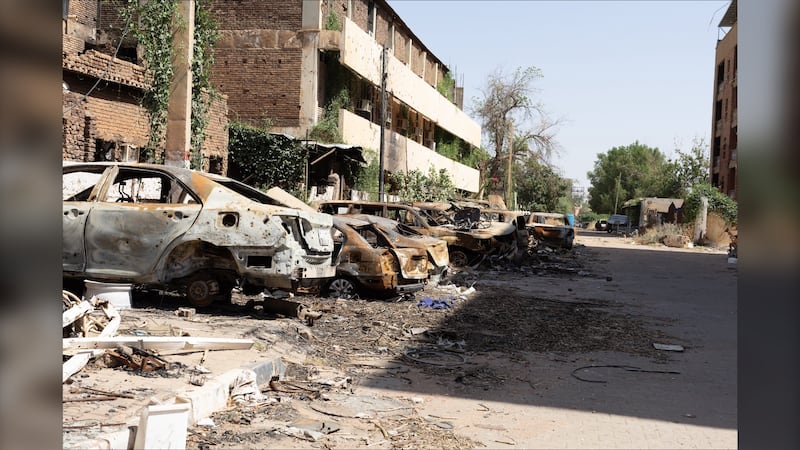
“We keep looking at whether it is impactful enough in our own self-interest, and so that is the overriding factor. These human beings in those countries just don’t count,” said Dallaire. “So the question is the following: are all humans human or are some more human than others?”
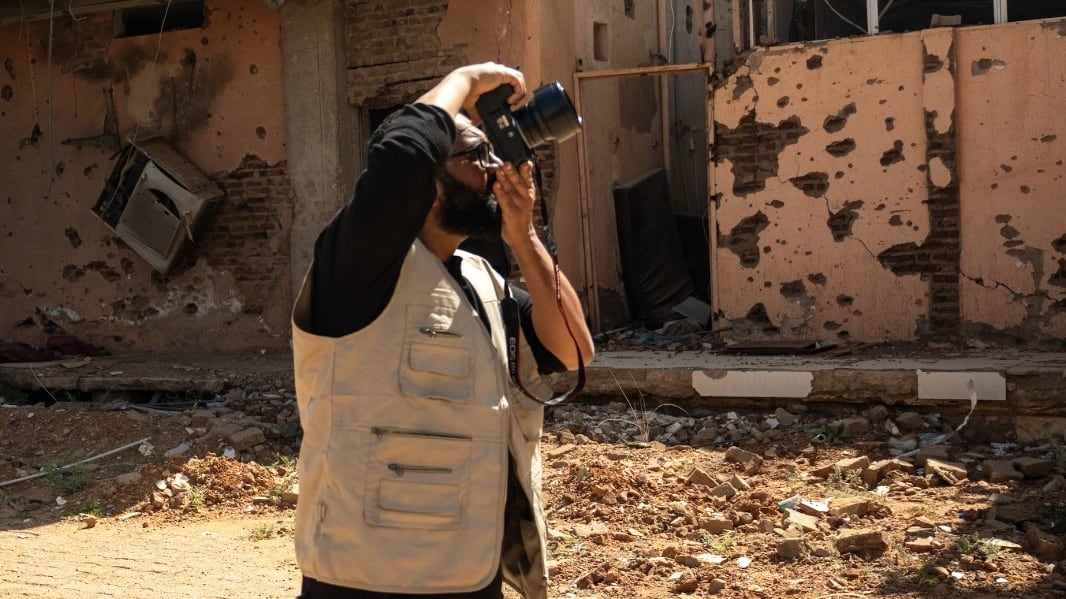
Sudanese Canadian filmmaker Mamoun Hassan, visited his country of birth in January to share stories from Sudan and has been critical of the lack of coverage in other parts of the world, including Canada.
“The amount of coverage that we’re getting is just absolutely not proportionate,” said Hassan.
“If you ask any one from the Sudanese community, they’ll tell you that this story here is under-covered, underrepresented in the media because of racism. Sudanese people have not been seen as valuable as human beings. I think it is honestly just the lack of value that we place upon Black people, and specifically Sudanese people.”
Yonah Diamond, a legal adviser with the Raoul Wallenberg Centre for Human Rights (RWCHR), believes political ties are at play — with North American and European nations not wanting to break bonds with countries supporting either of the warring factions in the civil war.
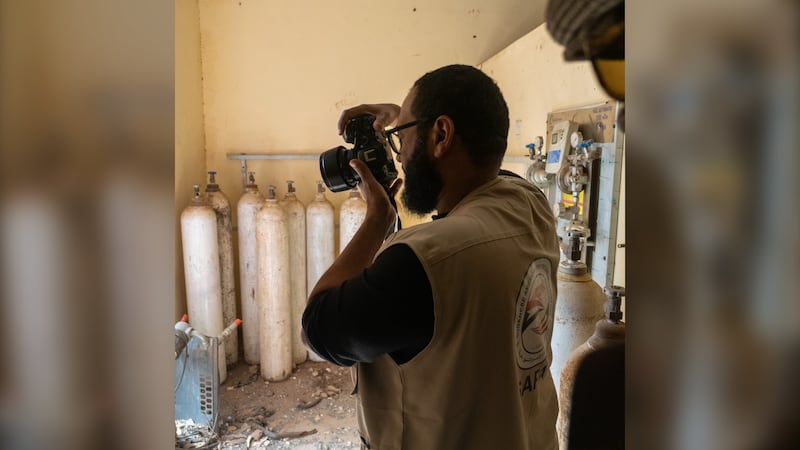
“This is the largest conflict-driven humanitarian catastrophe — and yet the least covered and least paid attention to due to a number of reasons,” said Diamond in an interview with CTV News on Friday. “But largely by major powers who are either protecting their interests or not seeing it as central to their foreign policy objectives.”
“For instance, one of the largest actors responsible for fueling the militia on the ground that committed genocide is the United Arab Emirates. And this particularly reached a height when the Rapid Support Forces (RSF) committed massacres and genocide against non-Arab communities in North Darfur in October — and just weeks later, Canadian Prime Minister Mark Carney met with his UAE counterparts.”
He adds that part of the reason the civil war is also going under the radar is because of a lack of media access to the country, which is preventing videos from circulating globally of the atrocities.
The Canadian non-governmental organization released a 10-point action plan for Ottawa to mark the three-year anniversary of the civil war between the two factions of the country’s military government, the Sudanese Armed Forces (SAF) and the paramilitary RSF.
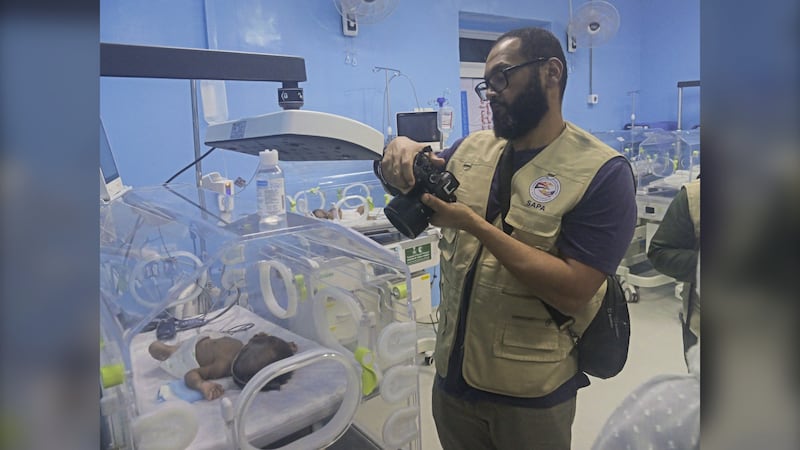
Among the actions, it calls on the Canadian government to recognize RSF actions in Darfur as genocide, sanction key parties and expand immigration pathways to Canada.
The United Nations estimates more than 21 million people are facing starvation, roughly 14 million people are displaced, and tens of thousands to hundreds of thousands are estimated to have died, with more than 4,000 children killed or maimed. More than 34 million people, roughly two-thirds of the population, are in need of humanitarian aid.
“You take every picture that you can find of Rwanda 30 years ago and then transpose it — and what you’ve got is a similar scale of human destruction, abuse and ultimately elimination, or attempts (at) the elimination of a complete society,” said Dallaire.
“That’s 30 years later and the United Nations (has) got the responsibility to protect Sudan — but (is) doing exactly what they did in Rwanda: nothing, and no deliberate decision to try to intervene, nor to attempt to stop this, nor to even bring it to the public attention.”
Global Affairs Canada did not respond in time to CTV News’ request for comment, but on Wednesday committed $120 million in humanitarian support to mark the three-year anniversary of the start of the civil war.

