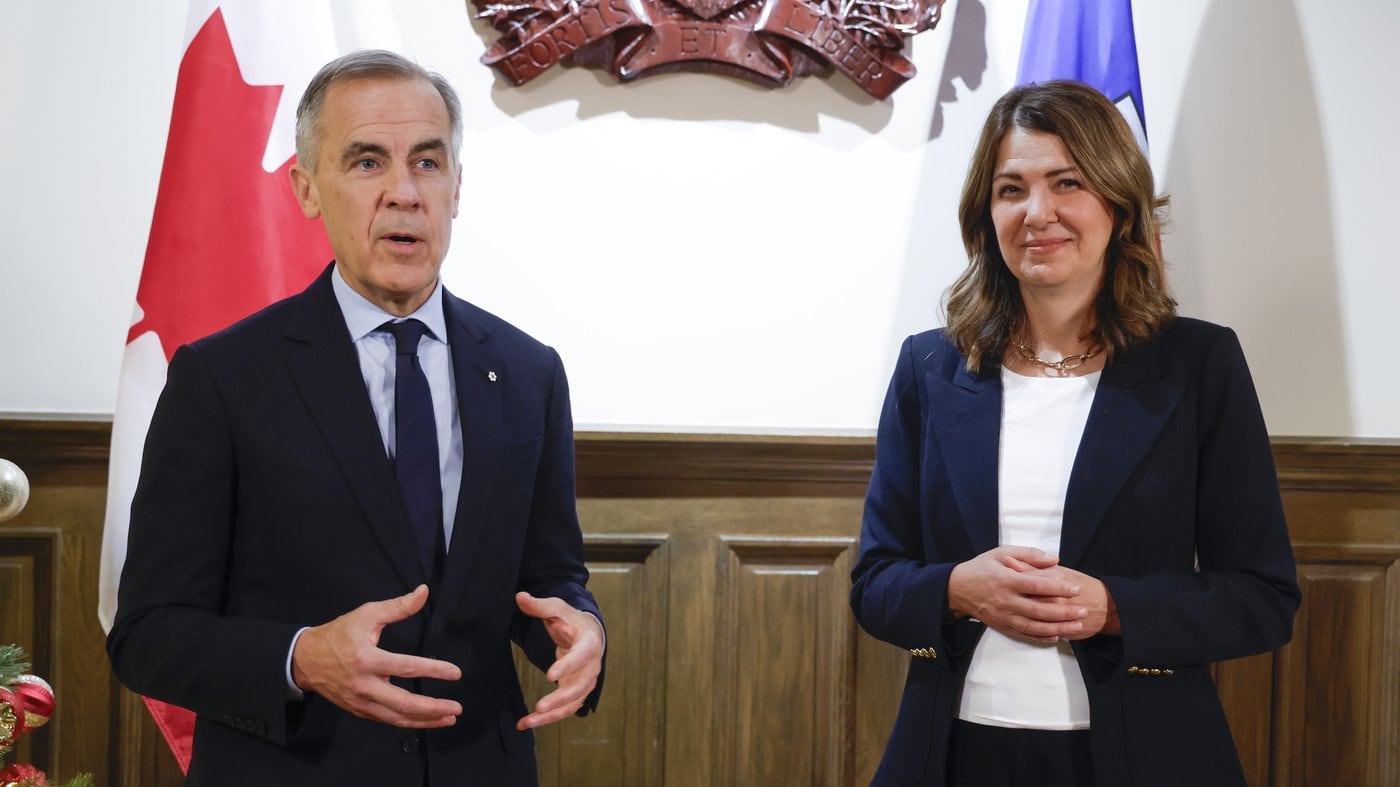
OTTAWA — An energy and climate policy-focused think tank is urging Prime Minister Mark Carney to deliver results on a slate of “critical” issues related to the federal government’s memorandum of understanding with Alberta, namely the industrial carbon pricing system.
“This is the most important element of the (memorandum of understanding, or MOU),” wrote Chris Severson-Baker, the executive director of the Alberta-based Pembina Institute, in an open letter to Carney on Wednesday, adding the $130-per-tonne price is “crucial.”
“This must be achieved in short order; we suggest by 2030,” Severson-Baker also wrote. “Doing so will unlock a high-growth, low-carbon economy across Western Canada.”
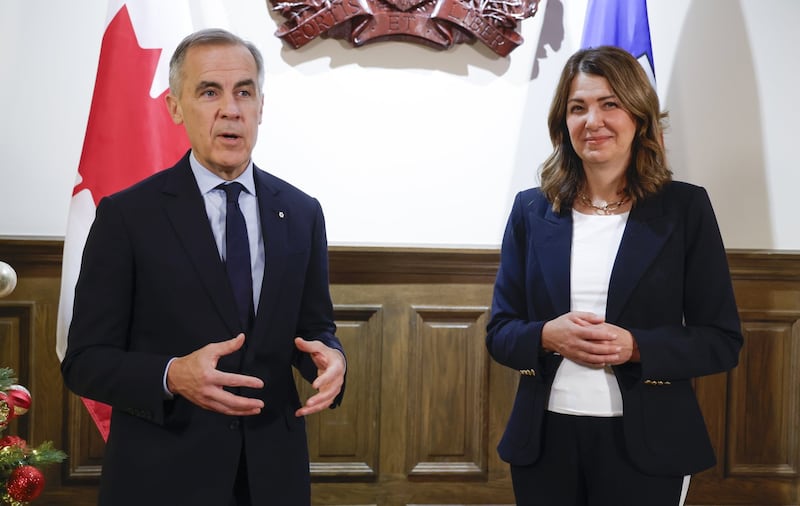
In November, Carney and Alberta Premier Danielle Smith signed a major energy co-operation agreement, outlining the conditions that need to be met for a new oil pipeline to the Pacific Coast to proceed.
The MOU laid out deadlines by which the two parties need to agree on certain issues, including on an industrial carbon price, specifically stating Alberta’s system “will ramp up to a minimum effective credit price of $130 per tonne.”
The governments are now three weeks past that self-imposed April 1 deadline to reach a deal, namely on a target date by which Alberta must meet the $130-per-tonne industrial carbon price, which the prime minister has pointed to as the key piece of his climate policy.
The federal government says the policy will supplant the impact of removing both the consumer carbon price and the oil and gas emissions cap.
According to Severson-Baker, Pembina Institute analysis of publicly available data shows “tens of billions of dollars in industrial investment is currently held up by the lack of resolution on this question.”
But, the industrial price has recently faced pushback from the oil and gas sector. The Canadian Press reported last week that leaders in that sector are warning the levy could erode Canada’s competitive edge at a time when the world needs a reliable energy supply — a need exacerbated by the war in the Middle East.
In an interview with CTV Power Play host Vassy Kapelos last month, Environment and Climate Change Minister Julie Dabrusin repeatedly sidestepped questions about whether the federal government would set a target date of 2030 for Alberta to raise its industrial carbon price to $130 a tonne.
“The whole MOU has multiple pieces to it, and I do want to point to the progress we’ve made so far,” Dabrusin said, when asked whether the $130-per-tonne price will by reached by 2030.
“We have a co-operation amendment. The consultations on the draft just finished … and so we hope to get the final agreement out shortly,” Dabrusin added, also pointing to agreements in principle between Canada and Alberta on methane and methane equivalency.
Severson-Baker’s letter also urges Carney to deliver on clean electricity and methane policies.
“Neither the climate nor investment will wait indefinitely for Canada and Alberta to come to the table,” Severson-Baker wrote. “We urge you to make use of the opportunity provided by a majority government to deliver these important results for all Canadians.”

