HALIFAX — As the weather warms up, many Canadians are spending more time outside. The change of season provides Nova Scotia’s Donna Lugar an opportunity to remind people about the dangers of ticks.
“I had about 40 symptoms and was in bed, in the dark because I had a light sensitivity,” said Lugar, who was diagnosed with a tick-borne illness 14 years ago, and is now urging all Canadians to use extreme caution to avoid exposure to tick bites and the diseases they carry.
“You have to be careful and make tick checks a part of your daily routine.”
Mount Allsion University biology professor Vett Lloyd said bites from black-legged ticks are the most dangerous.
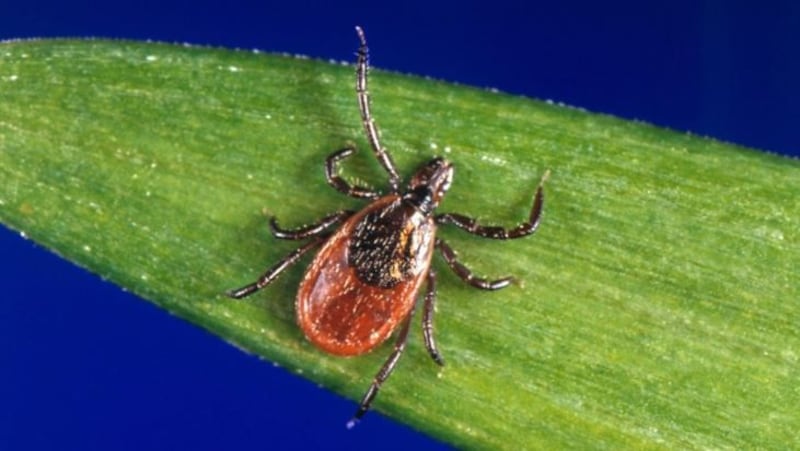
“When they bite, they are going to be spitting into your bloodstream,” Lloyd said. “Pathogens, disease-causing microbes, bacteria and viruses that they have picked up from the wildlife.”
She pointed to the effects of the recent harsh winter as a reason why there has been an increase in the tick population.
“The deep snow served as an insulating blanket and they spent the winter in the top surface of the soil, waiting for it to be warm again,” she added.
Based on recent medical research, diagnosed tick-transmitted illnesses in Canada are overwhelmingly Lyme disease. But some say there are others to watch for.
“Anaplasmosis, Babesiosis, and actually last year, we started to see in the most southern part of Ontario, something called Rocky Mountain Spotted Fever,” said Dr. Isaac Bogoch, an infectious disease specialist, who added each illness is usually treatable and they come with a multitude of symptoms.
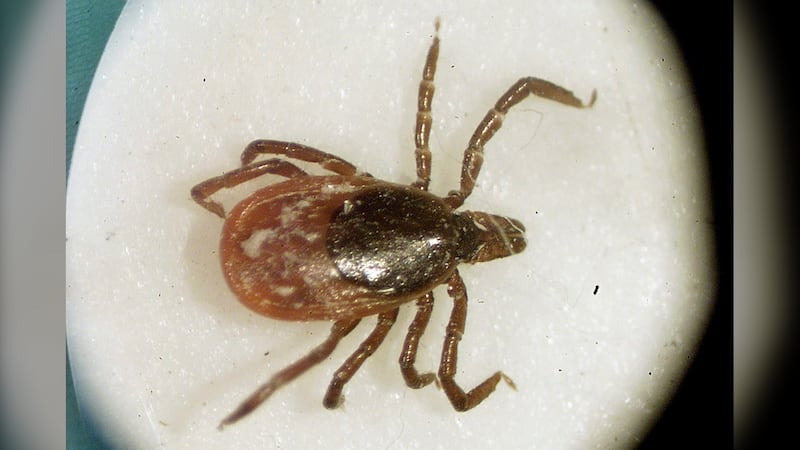
“Fatigue to a varying extent, some people have bone and joint complaints where they have inflammation of various joints. Some people have nerve pain, and some have paralysis of one side of their face or both sides of their face.”
Mid-to-late April marks the beginning of tick season for many parts of Canada, according to Lloyd.
“More and more wildlife are being infected, so there is a higher incidence of Lyme disease, depending on where you are in the country,” she said.
Lugar also warned the timing of tick season can vary because of the fluctuation in Canada’s climate.
“They can be active in any month of the year.”
She fears Lyme disease and other potentially dangerous tick-borne illnesses are becoming a year-round concern in some parts of Canada.

