Researchers at the University of Saskatchewan say a new blood test could dramatically change how Parkinson’s disease is diagnosed, potentially identifying aggressive forms of the illness in minutes — years earlier than current methods.
“It’s cost effective and very rapid, to get that information,” researcher Chris Phenix told CTV News.
Phenix, an associate professor of chemistry, is leading the breakthrough research inside his lab in Saskatoon. His team has developed specialized fluorescent probes, tiny chemical tools that “light up” to measure the activity of an enzyme linked to Parkinson’s disease in living human cells.
“These little fluorescent probes are used to measure the enzyme in living human cells,” Phenix explained. “We’re using that as a diagnostic aid to identify Parkinson’s, particularly aggressive symptoms,” he said.
The work could transform how doctors detect the disease. Currently, Parkinson’s is often diagnosed only after symptoms appear, by which time significant and irreversible damage has already occurred in the brain.
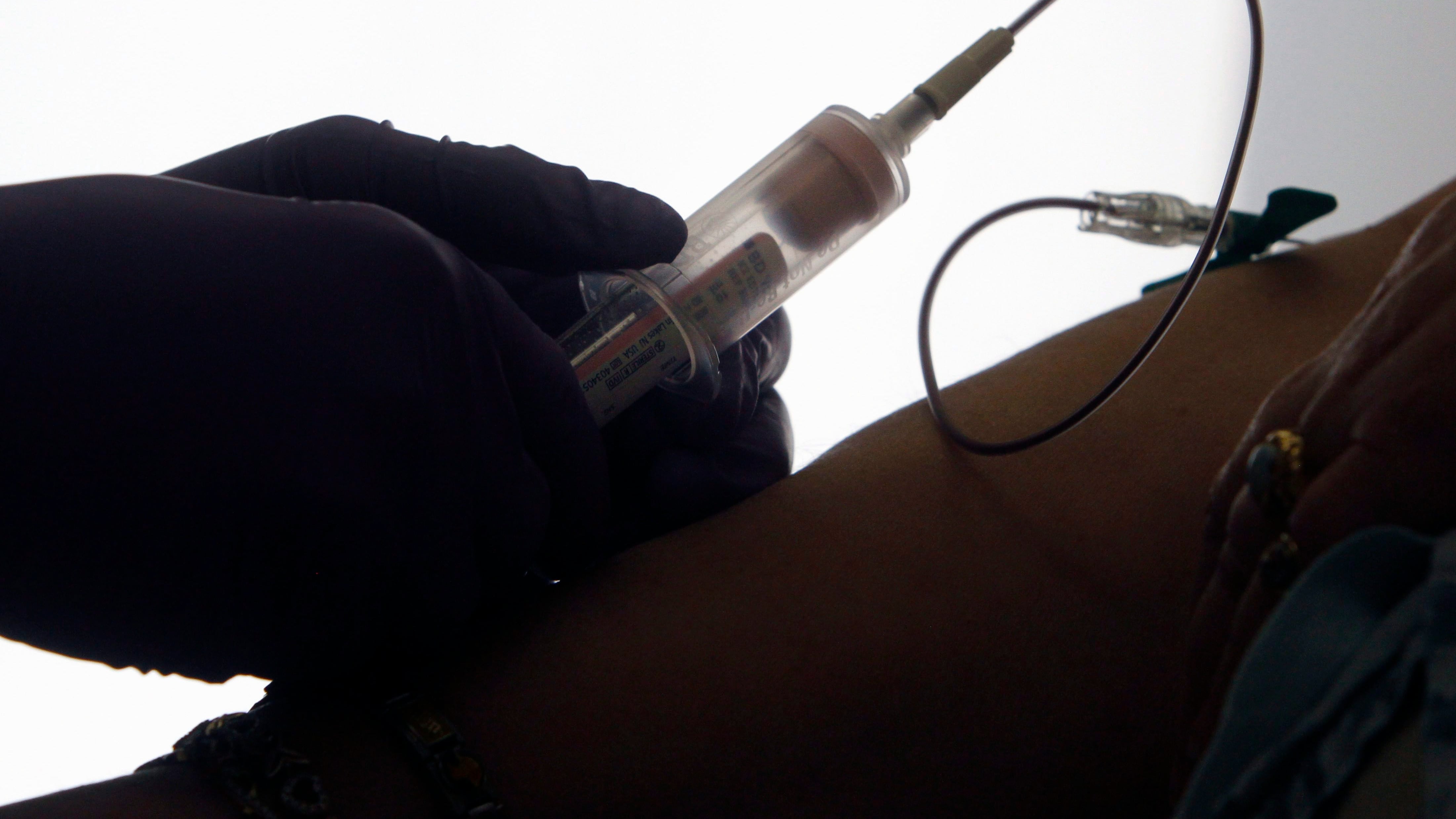
Phenix’s team of about a dozen researchers has designed the test to detect the most aggressive forms of the illness quickly through a simple blood sample.
“Physicians can use that, if they know this will be difficult to manage, they can start treatments earlier and try to delay the symptoms,” he said.
Beyond early detection, the research may also play a key role in developing new treatments.
“Our chemical tools are really suited to help develop next-generation drugs,” Phenix added.
Parkinson’s disease is a neurodegenerative condition that damages dopamine-producing cells, leading to tremors, muscle stiffness, and often cognitive decline. Because directly testing brain cells in living patients is difficult, the team turned to blood as a more accessible alternative.
“You know, we invented this test. We invented the molecules. Made in Saskatchewan, for Saskatchewan Parkinson’s patients. Everything was made from scratch.”
The test does not require brain scans and could deliver results in minutes, making it faster, more affordable, and easier to access than current diagnostic approaches.
For Phenix, the research is also deeply personal. He says watching his grandmother live with Parkinson’s inspired him to pursue this work and search for better answers.
Looking ahead, the team hopes to begin human trials as early as this summer — bringing the promising technology one step closer to clinical use.

