HALIFAX — Whenever Wayne Joy has a free moment, diving in the ocean is what he loves to do most.
“I average about 150 dives a year,” said Joy, who added that diving is always accompanied by one of his other favourite activities, photography. His underwater camera is with him on every dive. “I describe it as therapy and when you were down there, you are weightless and just floating along.”
Joy has been busy taking pictures and sharing colourful images from the deep ocean water of Halifax Harbour.
0 of 14
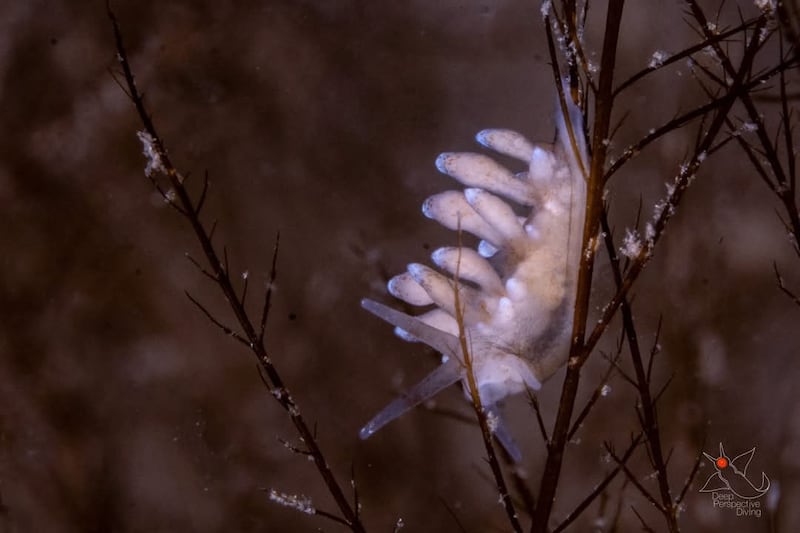
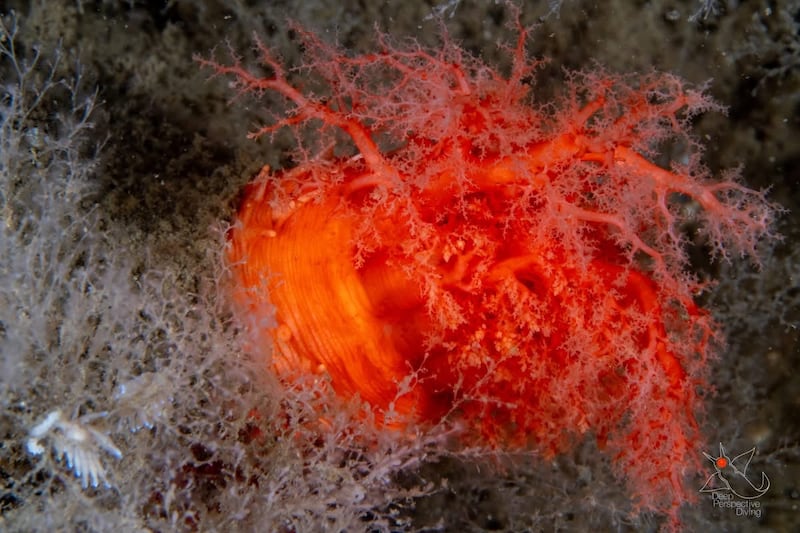
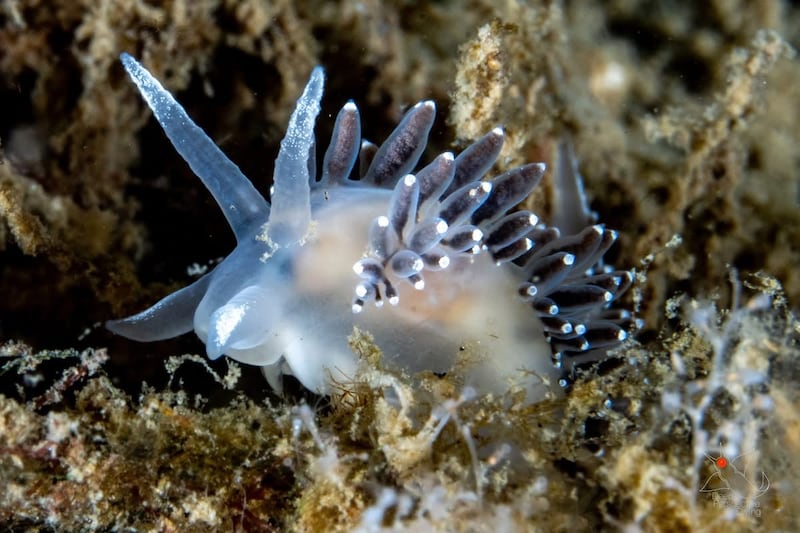
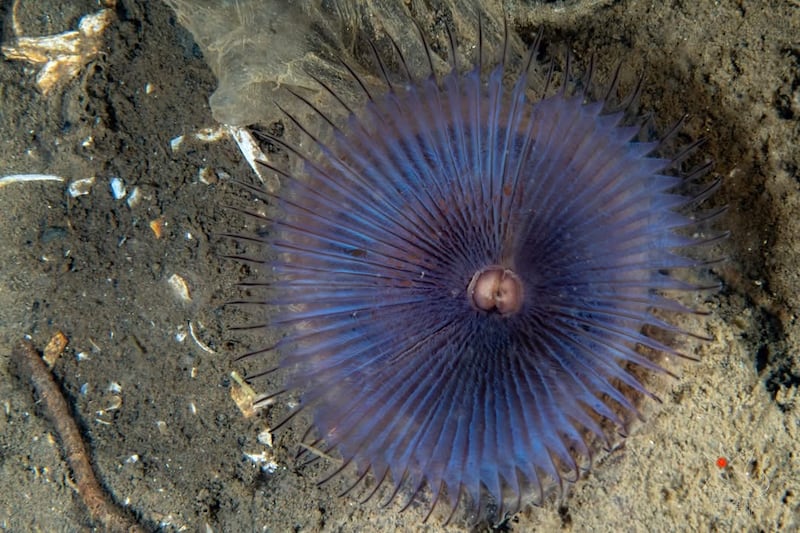
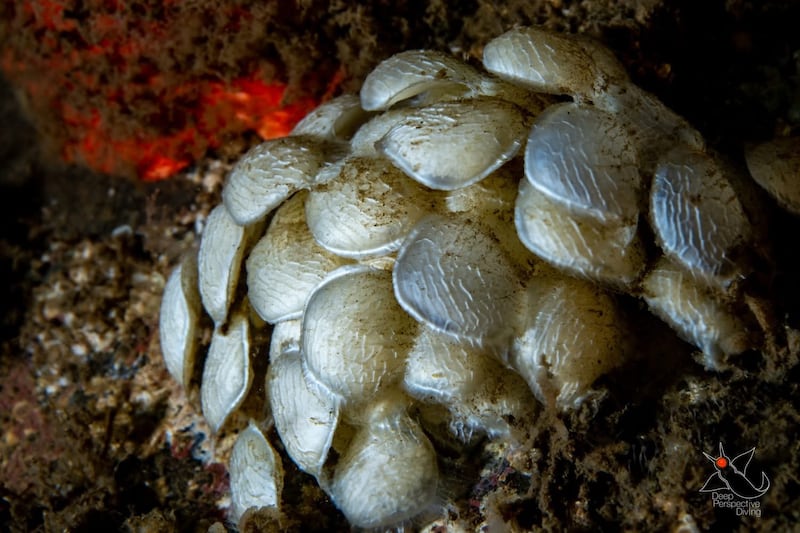
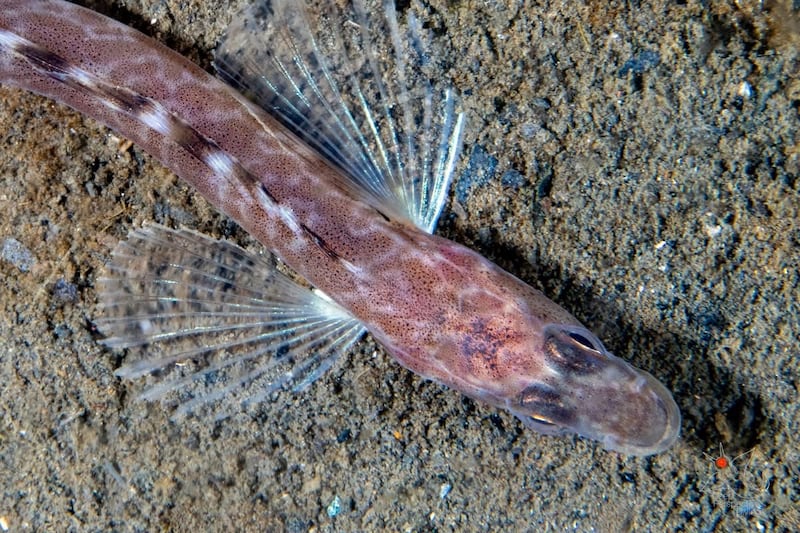
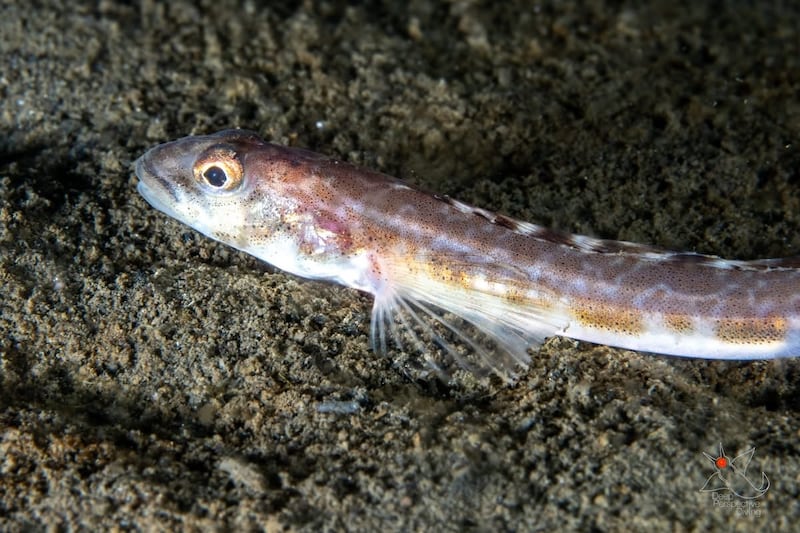
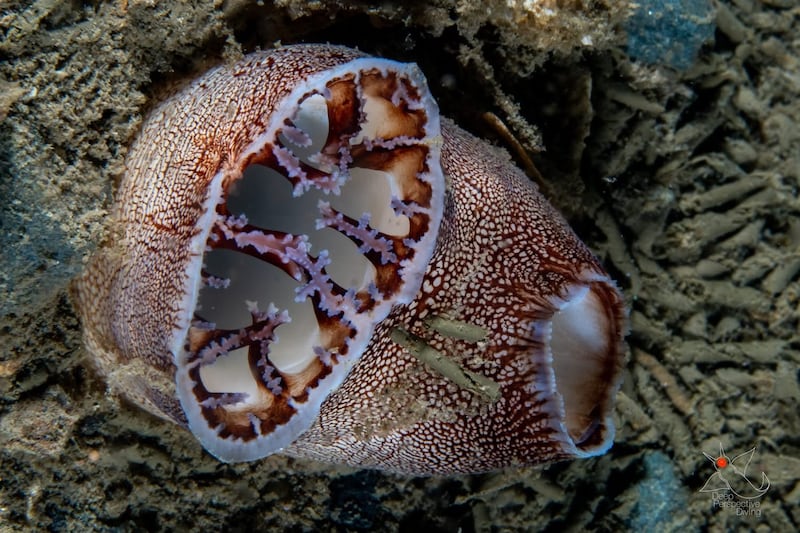
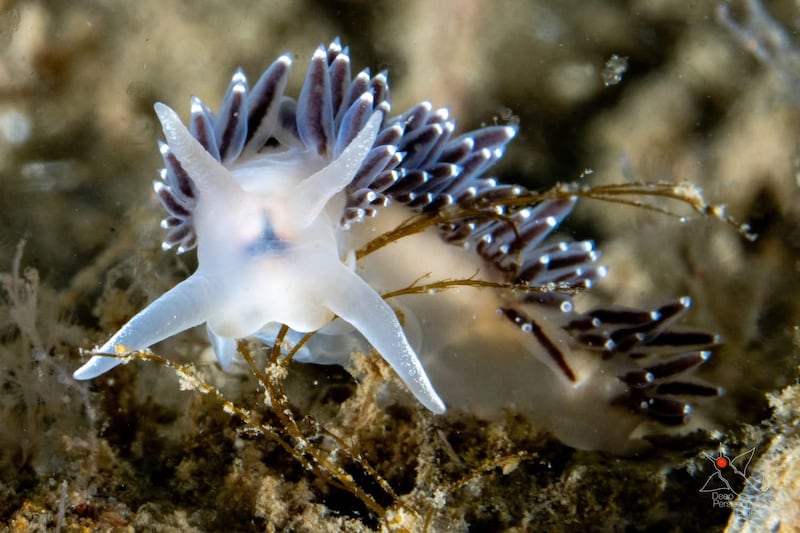
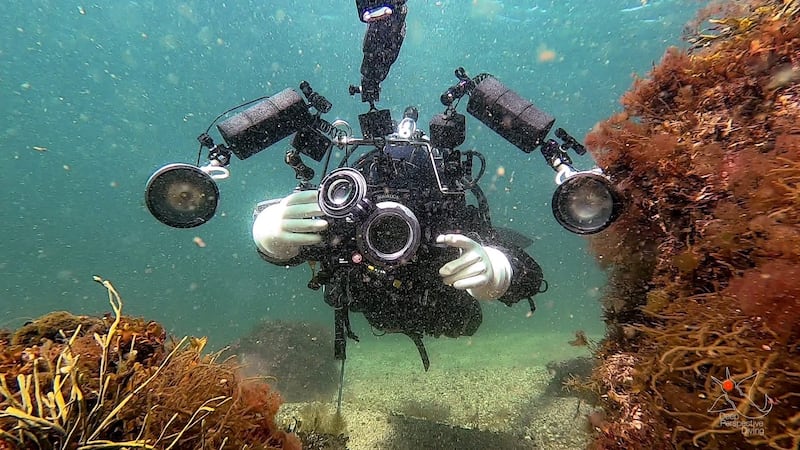
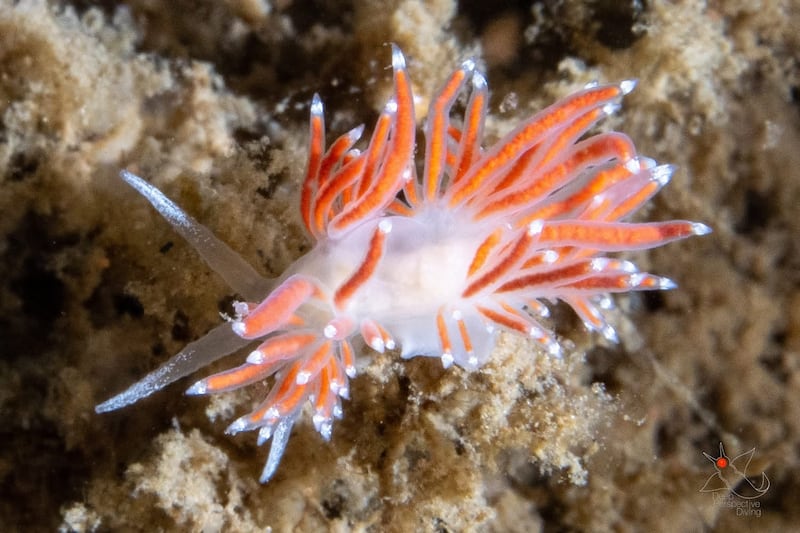
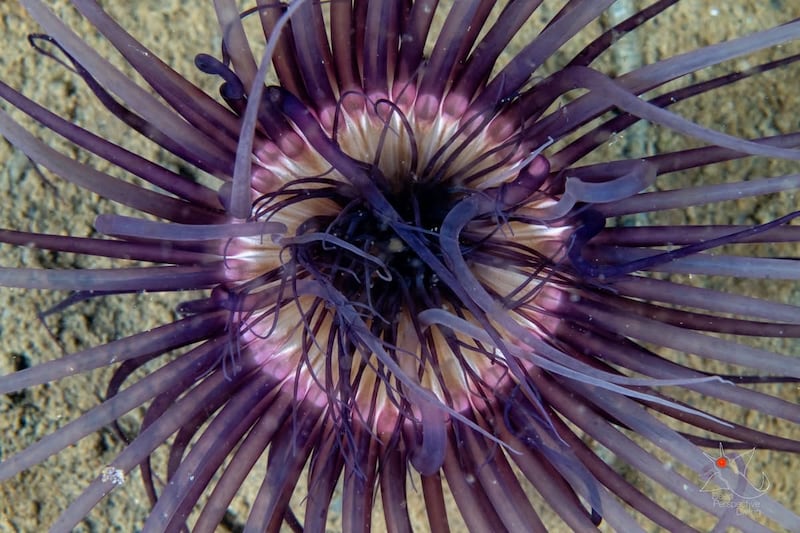
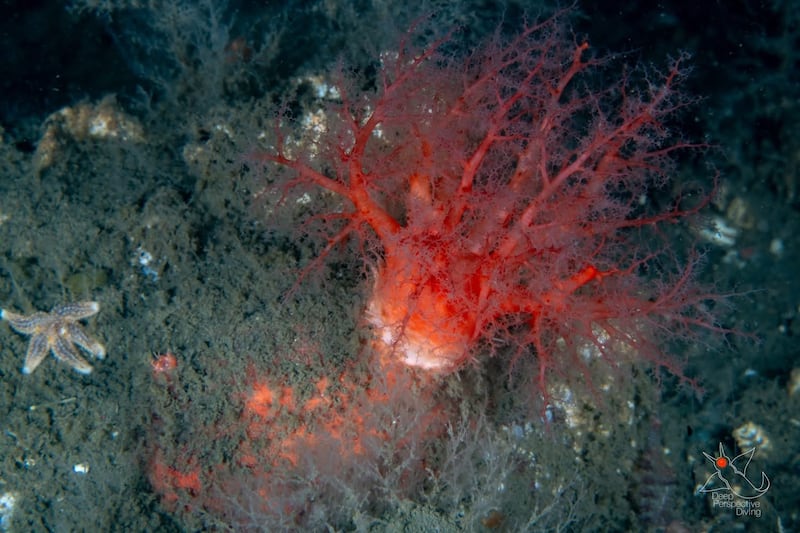
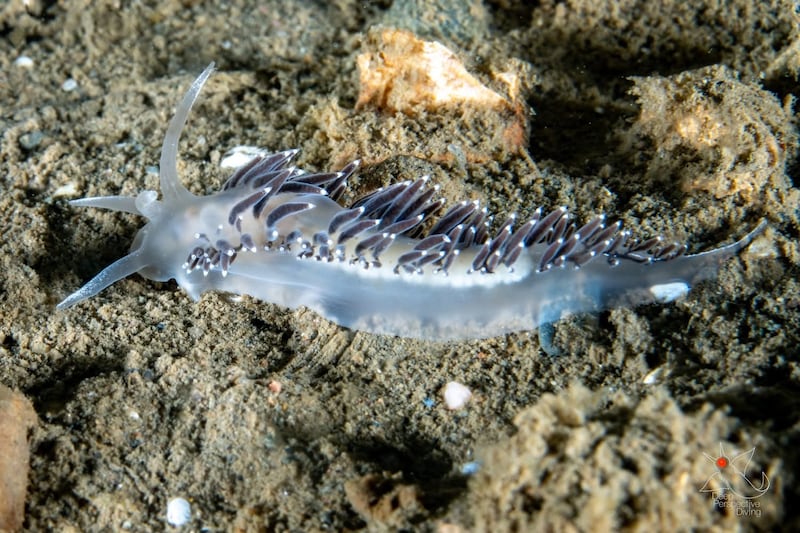
“There is stuff that people don’t expect to see here in the waters around Nova Scotia,” said Joy. “We see a lot of small stuff, nudibranchs and shrimp. As the water warms, we start seeing bigger fish coming in, the lobster will return and then the sea life keeps getting bigger and more unusual.”
In addition to their visual appeal and vivid colours, the pictures also highlight the fact that Halifax Harbour is a healthy and thriving marine environment, which wasn’t always the case.
In 2008, a sewage treatment plant opened to clean up the heavily polluted harbour. Cleaner water has now provided an environment conducive to growth, for numerous marine species and blooms of vegetation.
“We have actually done some environmental DNA studies in the harbour, and detected more than 40 species of fish, as well as nearly 100 species of invertebrates,” said Department of Fisheries and Oceans Canada marine biologist Nick Jeffery. “They are ranging from tiny little plankton to sea stars, mussels, and crabs.”
Jeffery said in some areas near Halifax Harbour, divers can even see tropical fish that enter the local waters during the warmer months.
“In summer, we see things like tropical butterfly fish and trigger fish, which are species we would typically see in the Caribbean and southern United States,” he said.
Joy called the entire experience a photographer’s paradise.
“Life has taken off down there,” he said, adding that taking and sharing pictures brings him daily happiness. “It’s for people who don’t get to go themselves and haven’t yet had the opportunity.”
Overall, it’s a stunning snapshot of underwater life in the North Atlantic

