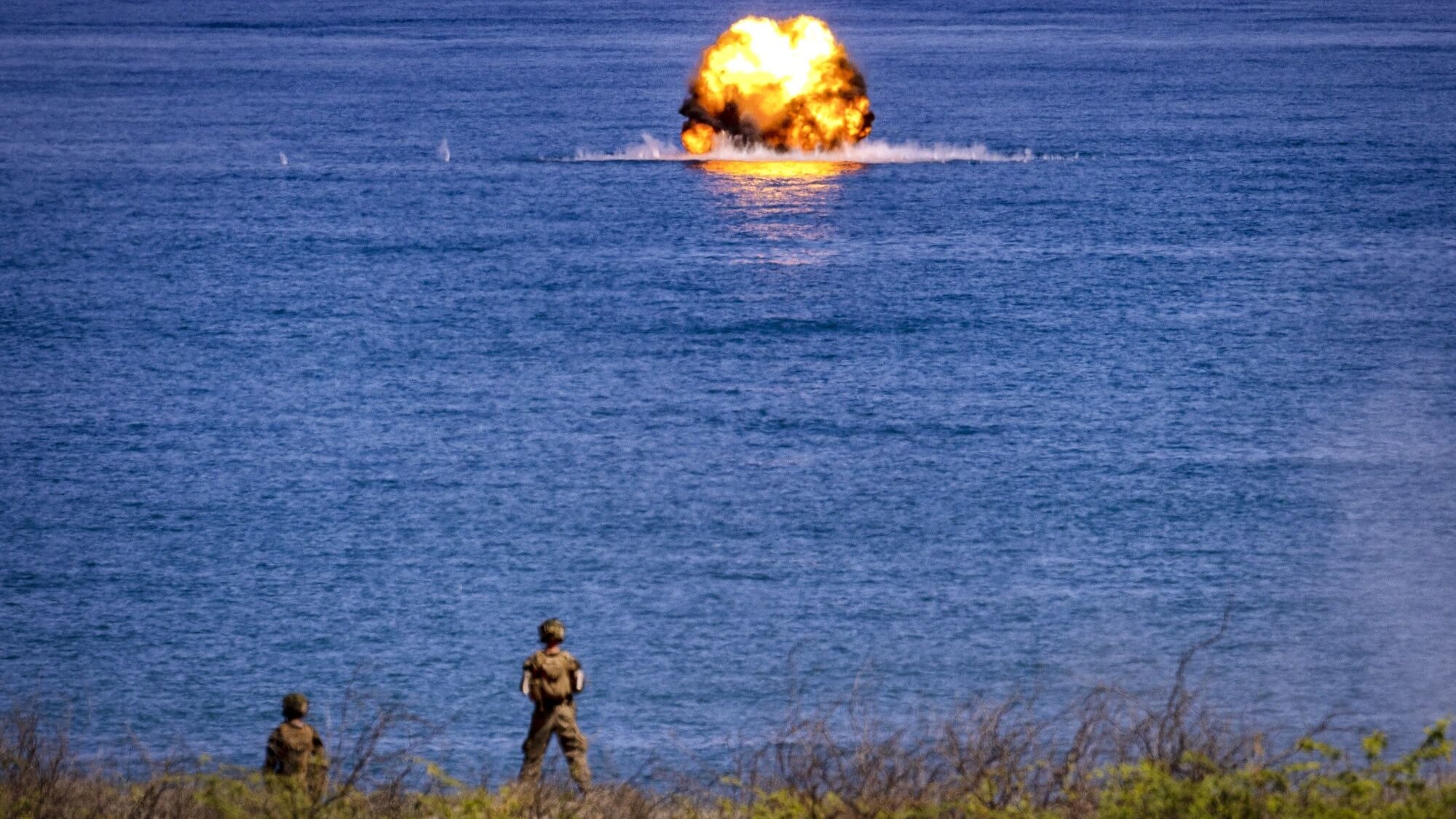
Canadian soldiers, sailors and aircrew are taking part in war games alongside allies in the Philippines, in what the Department of National Defence calls a “significant step” in Ottawa’s growing engagement in the Indo-Pacific region.
Although the Canadian Armed Forces has previously participated in Exercise Balikatan as an observer, this year marks its first time taking an active role.
The exercise is expected to bring together more than 17,000 military personnel from participating countries, including Australia, Japan, France and the United States.
“This exercise is designed to strengthen long‑standing partnerships with like‑minded nations, enhance combined military capability, and reinforce a shared commitment to regional security and stability,” National Defence said in a news release.
A Halifax-class frigate—HMCS Charlottetown—and its embarked CH-148 Cyclone helicopter are part of the Canadian contingent for the exercise, which started this week and runs until May 8.
Soldiers from the Princess Patricia’s Canadian Light Infantry, the CAF Cyber Command and the Canadian Special Operations Forces Command will train in areas such as air and missile defence, coastal combat and maritime strike operations.
Canada’s participation in the exercise falls within the broader scope of Operation Horizon, a longstanding commitment to security in the Indo-Pacific region.
It also follows Ottawa’s signing of a status of visiting forces agreement (SOVFA) with the Philippines in November, a pact that allows for expanded military exercises within each other’s territories.
Less than two months before the pact was signed, China accused both countries of undermining peace in the region through a series of naval exercises in the South China Sea.
The Canadian frigate involved in those exercises later sailed through the Taiwan Strait just days afterward in a freedom-of-navigation demonstration that reliably rankled China, which claims the disputed waterway as part of its exclusive economic zone.
The current era of security co-operation between Canada and the Philippines dates back to 2023, when an agreement signed in Ottawa granted the Philippines access to data from Canada’s “Dark Vessel Detection System,” which uses satellites to track illegal vessels—even when they switch off their location-transmitting devices.
Exercise Balikatan—meaning “shoulder-to-shoulder” in Tagalog—represents a commitment by partner countries “to stand together and to act together,” said Gen. Romeo Brawner, the Philippine military’s chief of staff, in a statement marking the beginning of the multinational drills.

