Ret’d Warrant Officer Mike McGlennon got a call one Thanksgiving weekend in the early 1990s that would change the course of his life forever: would you like to deploy to the Persian Gulf?
“It’s like the proverbial 10 to 22-second feeling of silence knowing what he was asking,” he said. “I told my mother. I said, ‘If I don’t come back, I’m volunteering and I’m going with my friend so just accept it.’”
McGlennon deployed less than 96 hours after that initial phone call, eventually serving in Bahrain with the newly formed 90 Headquarters and Signals Squadron from mid-October 1990 to April 1991. The Gulf War was his first active service deployment in what would be a nearly 25-year military career.
McGlennon considers himself a war veteran. But for now, the Canadian government does not.
“I very much I do, and I’m not alone,” he said when asked whether he was a war veteran. “Canada was one of the countries of 39 coalition countries involved. … Most of those countries already treat their Persian Gulf veterans as war veterans. Canada is an outlier.”
According to federal law, only those who fought during the First World War, Second World War and the Korean War are officially considered war veterans. Veterans deployed to conflicts since the end of the Korean War in 1953 have never been given that designation.
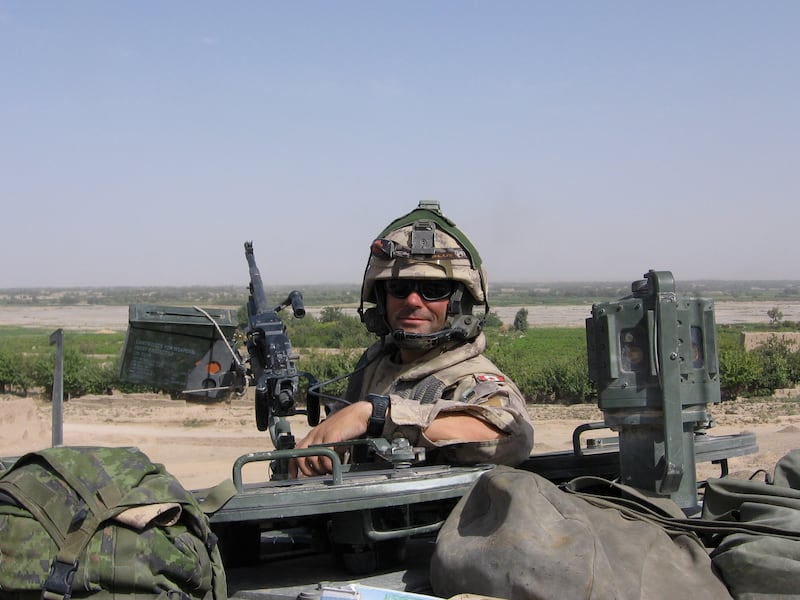
Ret’d Col. Mark Gasparotto deployed to Afghanistan in August 2006. He says he was surprised to learn that his service did not qualify him as a war veteran.
“No one ever called Afghanistan anything but the Afghan war,” he said. “I can tell you, and most Canadians would know, certainly if they ever attended any of the ceremonies in the Highway of Heroes, that it was combat operations.”
A new Senate bill hopes to give veterans like Gasparotto and McGlennon the recognition they are advocating for.
Senator Hassan Yussuff’s private member’s bill seeks to set up a framework that would help streamline a review process of what is considered “wartime service” and help recognize modern military missions.
“I think we need to also be fair to the members who have contributed so richly to our country’s history, and recognizing them for their wartime service, I think is fundamental to who we are as a nation, but also it’s about fairness, about the dignity of our Armed Forces members,” Yussuff said.
The Wartime Service Recognition Act
Bill S-246, dubbed the Wartime Service Recognition Act, aims to create a national framework for the recognition of military service as wartime service.
The review of all deployments since Korea would be assessed on four main criteria:
- The level of risk that members and veterans faced during their service, including exposure to hostile or life-threatening conditions;
- the nature, rhythm, duration, scale and intensity of the operations members and veterans carried out during their service;
- the exposure of members and veterans to conditions capable of causing physical or psychological injury during their service; and
- the existence of an international or non-international armed conflict in the geographic location where the member or veteran served, regardless of a declared state of war.
The bill, which was tabled in the Senate on April 16th, is at second reading and Yussuf is hopeful it can get through the Senate quickly. It would then move to the House, where both the Liberals and Conservatives have previously voiced support for an expanded definition of wartime service.
A promise made
During the 2025 election campaign, Prime Minister Mark Carney proposed during “expand the recognition of service by reviewing the designation of certain military missions.” So far, the government has not fulfilled this pledge.
“I’m hoping, given the history, given what’s been said by the two parties, they’re actually going to step up now and do what is required of them, show their commitment and say, ‘Hey, we can finally complete this task,’” he said.
“It’s a symbolic recognition. But for the veteran, this is absolutely, fundamentally important to the sacrifice they gave on behalf of their country.”
McGlennon, who has spent eight years pushing for this designation, says he’s not sure why the change has not been made.
“That question comes up a heck of a lot or has in the last eight years that I’ve been working at this file, and I don’t have a definitive response,” he said. “My assumption is it comes down to money.”
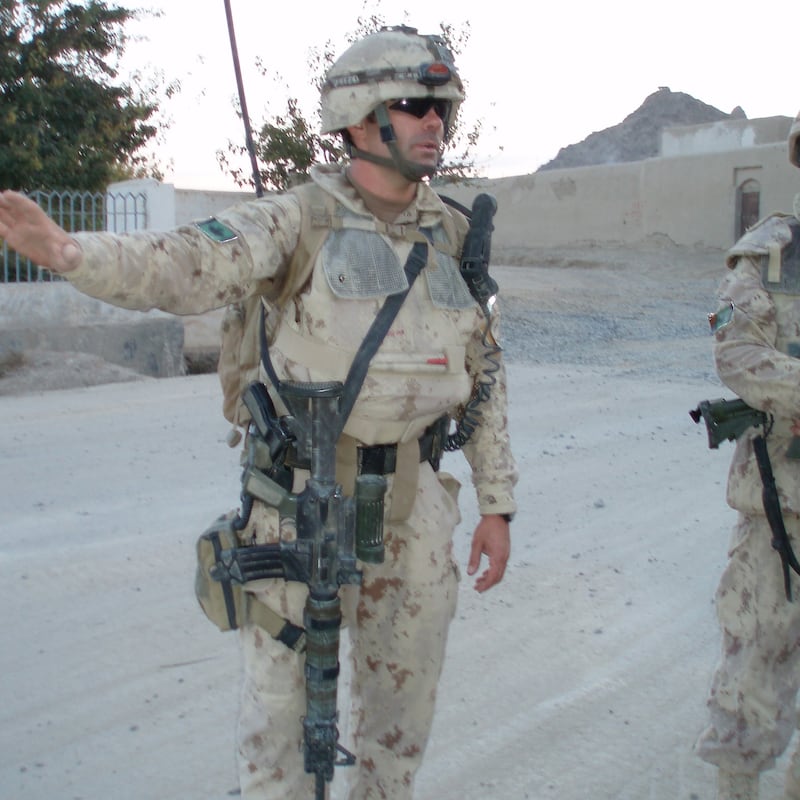
In a statement issued to CTV News, the Department of Veterans Affairs said that the Veterans Well-being Act offers a designation of a “Special Duty Area” which provides members with the same coverage that is available to those from prior conflicts. When asked about changing the designation, the department said it wouldn’t change the benefits offered to Canadian veterans.
“Changing the categorization of these Veterans and members from “Special Duty Service” to “Wartime Service” would not result in any change to offered benefits,” said Marc Lescoutre, a spokesperson with Veterans Affairs Canada.
“Applications for disability benefits from members and Veterans who served in a Special Duty Area or Special Duty Operation are considered in the same manner as World War I, World War II, and Korean War Veterans in determining whether their disability is related to that period of service.”
Yussuff says he purposely excluded any financial element in the hopes of getting what he calls a “non-controversial bill” through Parliament.
“I hope you know, when members in the Senate and also members in the House start to look at the legislation, they don’t see me in it, they see the veterans and their ask,” he said. “They’re asking to be respected for what they contribute to the greatness of our nation, but also for the respect that they deserve for their sacrifices on behalf of our nation.”
Gasparotto hopes Parliament gives soldiers the designation they deserve. The recognition, he said, is the right thing to do.
“Soldiers don’t join necessarily for that recognition, but if they are going to go and put their lives on the line then, then the nation should call it what it is, and from that should flow proper recognition,” he said.
Gasparotto says he hopes the bill will also open a discussion about what unlimited liability means in the context of deployment.
“We’re the only ones in society who accept unlimited liability the conduct of our duties, meaning we cannot legally say no to ourselves being in harm’s way or ordering our soldiers, sailors and aviators to do the same,” he said. “So, this allows just for, I think, a much deeper conversation about that service and what unlimited liability means.”

