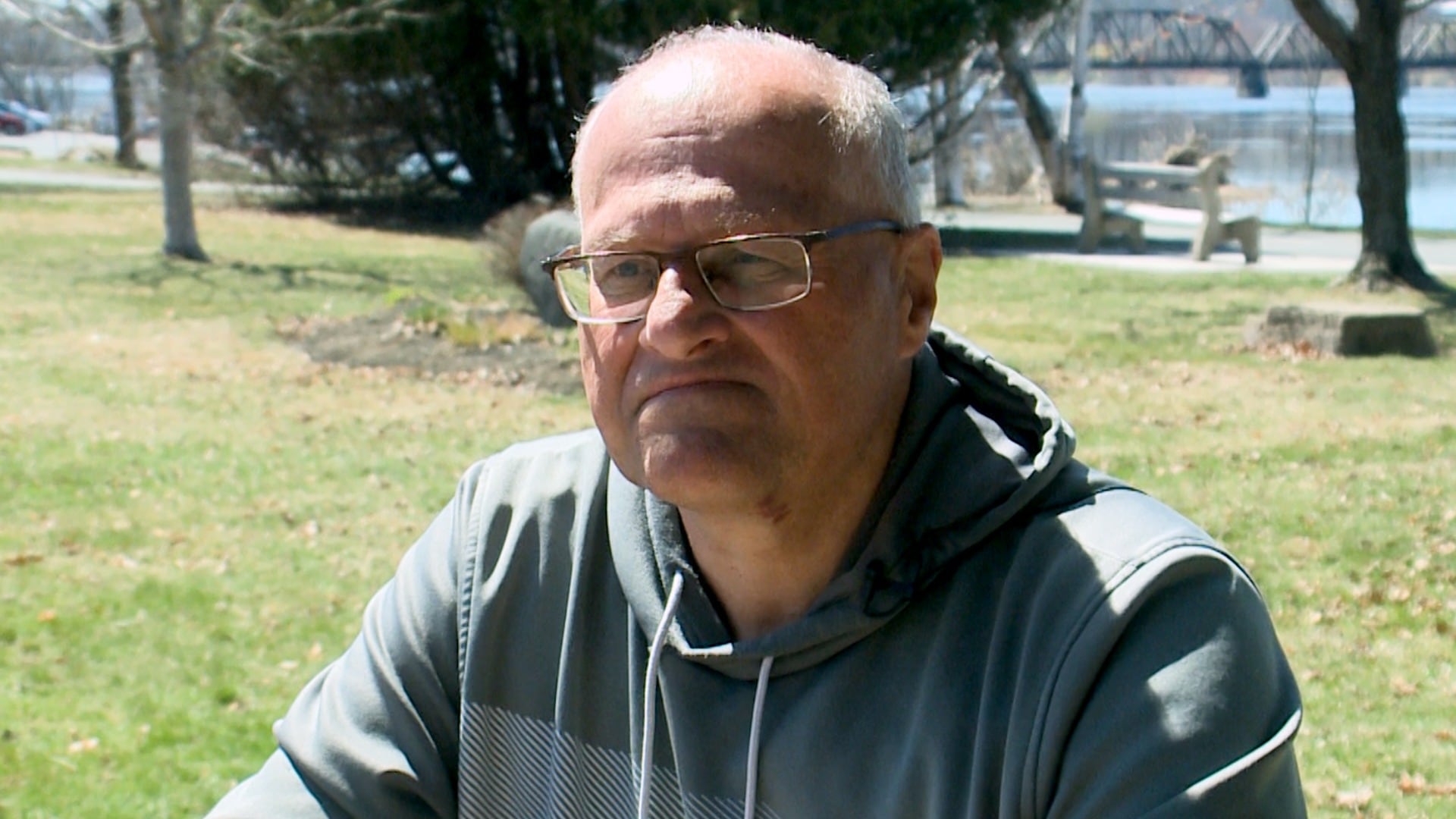
FREDERICTON, N.B. - He would have been 35 years old this week.
But Brody LeBlanc only made it to 33 – and his father is working to ensure more families get the chance to see their children grow old.
LeBlanc overdosed 16 months ago and died along Fredericton’s trail system within 200 metres of his father’s, Rick LeBlanc’s, home. A mixture of drugs were found in his system including carfentanil, one of the most potent and dangerous opioids.
LeBlanc says his son battled with addiction for years, but beneath the drugs was a bright, creative and kind soul, who had a knack for seeing people and places differently.
“People around New Brunswick tend to just shun those that are addicts and treat them as if (they’re) just lower class. And, you know, as a father of an addict who grew up in a middle-income home and had a normal upbringing, that’s so wrong,” LeBlanc said.

He’s speaking out after Fredericton Police released statistics that show the number of overdoses – and fatalities – have dramatically increased over the last few years.
In 2023, the force responded to 54 overdose incidents, with three fatalities.
In 2024, the number of overdoses nearly doubled, with 97 calls and eight fatalities.
In 2025, Fredericton Police responded to 162 incidents, and nine people died.
So far in 2026, they’ve responded to 61 calls.
While the overdoses and fatalities appear as numbers, LeBlanc says the figures represent real people. Some of them he knows personally after creating a group called “Friends Understanding Addictions,” where loved ones and addicts have found support in speaking about their struggles.
“Brody was a good kid and we’ve lost that. And other families are losing their good kids. And that’s the message: they’re good kids. They’re good people. They have hard situations that we need to better understand before we lose more,” he said.
Nine overdoses in 48 hours
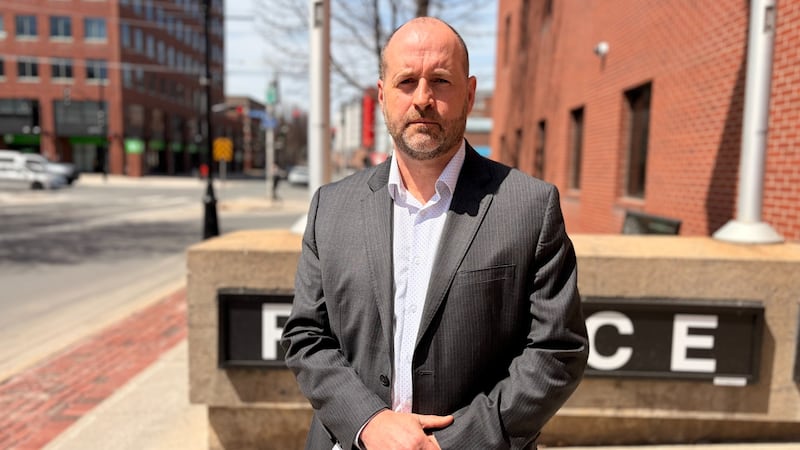
The Fredericton Police issued a warning last week after officers responded to nine overdoses in a 48-hour period.
While the force couldn’t confirm the exact drug behind the spike, the head of criminal investigations told reporters Monday, the illicit drug market has become extremely dangerous.
“We are seeing very potent, very toxic substances out there in the supply. And it is an illicit supply. This is an unregulated market,” Staff Sgt. Rick Mooney said.
The Force is working on enforcement efforts to combat drug trafficking and the illicit drug supply.
However, the Good Samaritan’s Act provides legal protection to anyone – including the person overdosing, or anyone on probation, parole, or bail for possession-related conditions - who calls for emergency assistance during an overdose. Sgt. Mooney said when officers respond to these calls, it’s to save lives, not make arrests.
“These are people that are dealing and supplying the community, and it is for money. It’s not a matter of, you know, being concerned about the purity of the product,” Mooney said. “So that’s the big concern for us. That’s the major concern is that people may not know what they’re taking and it’s causing these overdoses.”
In an emailed statement, a spokesperson for the N.B. RCMP said they are unable to provide statistics on how many overdoses officers have responded to, because those figures are not “necessarily tracked, given that we are not always called upon to respond to overdose medical emergencies.”
“It is important to understand that an overdose call is, by nature, a medical emergency and not necessarily a criminal matter. We may not have been called to assist with every incident if there was no crime to investigate,” said Cpl. Hans J. Ouellette.
Cpl. Ouellette did say there are “extremely dangerous and even deadly drugs in circulation.”
Finding solutions, compassion
LeBlanc said Brody tried to get help a dozen times, but to enter a rehabilitation program, he had to be clean. Furthermore, in order to get clean, he had to detox.
“He couldn’t do that. So the whole system just has to get together and say we’ve got to change this up, because if we think it’s going away, we’re dead wrong,” he said. “And the proof is in the pudding here in Fredericton.”
LeBlanc suggests that the underlying issue for many people with addiction is their mental well-being. He believes the system must address an individual’s mental illness first for long-term sobriety to be achieved.
“What I’m finding here in my home province is we are not addressing it in the doctor’s offices, because a lot of folks don’t have a doctor. If you go to the hospital, the psychiatrists aren’t addict-savvy, so they send the person home and what the person needs is someone to say, ‘I can help,’” he said.
Warren Maddox sees it first-hand.
The Fredericton Homeless Shelters director believes anywhere from 10 to 15 per cent of the people his not-for-profit tries to help, need a higher level, institutional setting to help them navigate addiction and mental-health treatment.

He said he’s tried to have conversations with the provincial government on strengthening the process to deem someone incompetent, to get them treatment. Maddox said rather than an impersonal legal process, he could foresee a panel with a psychiatrist, a lawyer, occupational therapist, a social worker, and a housing provider.
“Then you sit down as five or six people and you discuss Billy’s needs. Where is he? Well, Billy’s having a real issue with meth right now, but there’s something underlying. How do we deal with that? Well, let’s send him to Restigouche (Hospital) for 30 or 60 days, to see if we can get the cloud cleared out, the fog cleared out and see what that underlying issue is,” he said.
Other provinces have been working on this type of legislation.
Earlier this month, Saskatchewan tabled the Compassionate Intervention Act, which could see a panel of professionals decide if an individual needs institutional treatment.
LeBlanc’s not certain about the exact timeline or process but agrees the rehabilitation system needs to be improved.
“We need a system that has a bit more guardrails for all of us where we can help the individual when they’re at rehab,” he said. “And we need to treat it with some love and some empathy.”
With files from CTV News’ Rory MacLean

