It’s springtime in the mountains, which means many visitors are heading to the region to enjoy the sunny weather and scenic views.
But Parks Canada says hiking trips in the area, even in spring, can be dangerous for the unprepared.
Officials said in a news release on Wednesday that staff have been called to help in rescues of stranded hikers several times in the past few weeks.
“We have seen three or four instances this spring where people have slipped on icy trails and injured themselves,” said Brian Morgan, a visitor safety specialist with Parks Canada.
According to a post on Banff National Park’s Facebook page on Thursday, four hikers got themselves into some trouble on their trips in April.
Officials say a solo hiker was lost while they were navigating the Plain of Six Glaciers using a trails app on April 9.
“After following tracks in the snow, the hiker lost the official trail and called 911 after sinking thigh‑deep into unsupportive, isothermal snow," the statement read.
The hiker was rescued with a helicopter equipped with a sling.
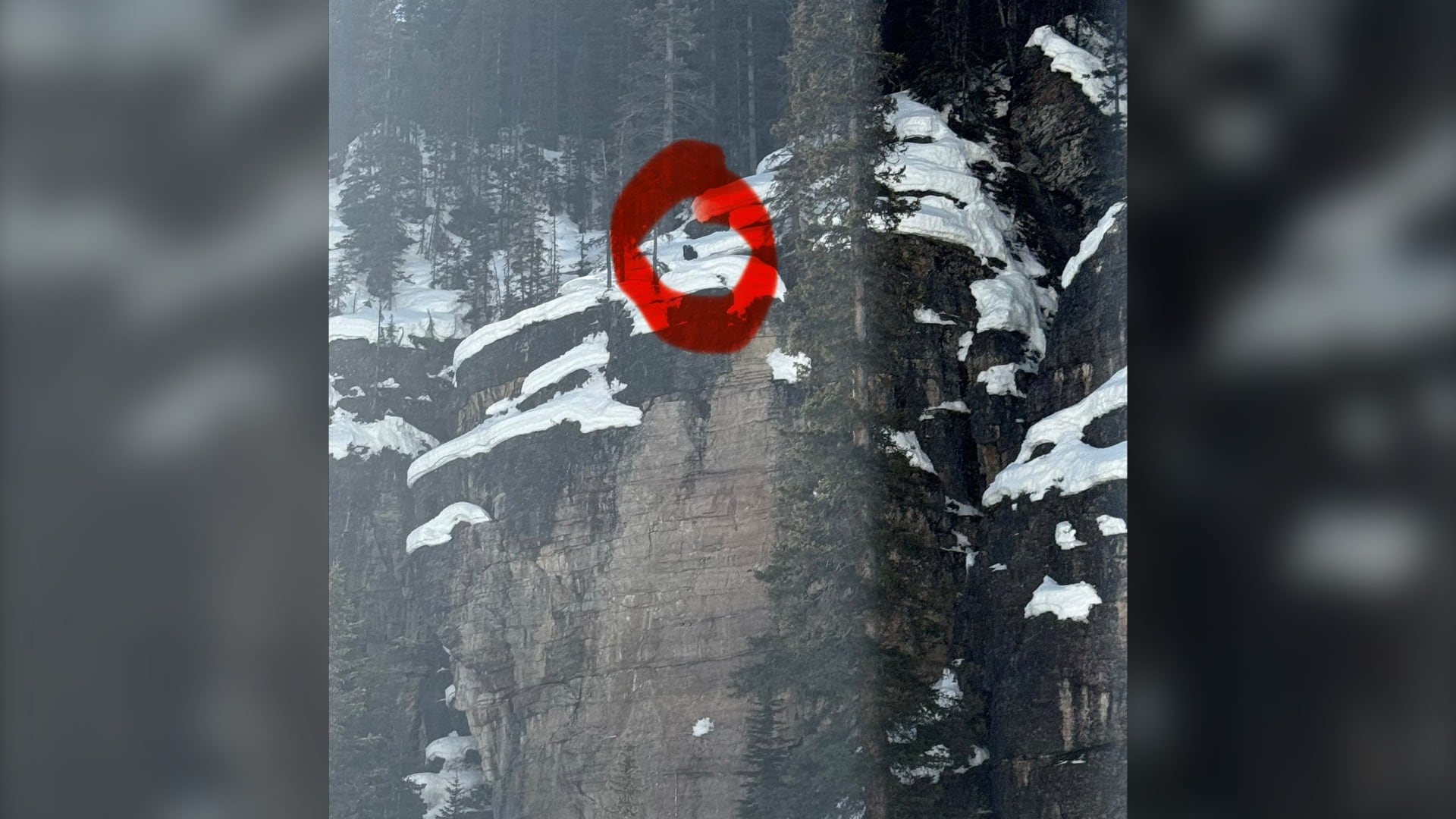
On April 14, two hikers were descending the same trail, following tracks in the snow, until they became stranded among the cliff faces.
“Visitor safety specialists responded by helicopter, conducted a sling rescue, and returned both hikers to the lakeshore uninjured,” the park said.
In a third incident, on April 14, a visitor had to be rescued via snowmobile after their short walk got them into trouble.
“The visitor lost their footwear after sinking into deep snow,” officials said.
“Visitor safety specialists responded by snowmobile, ski‑toured to the visitor’s last known location, followed tracks in the snow, and transferred the visitor to Banff EMS after rewarming."

‘Still winter up high’
In the advisory, Parks Canada said there is a “significant avalanche hazard” still in place for some popular trails such as:
- ascent of Mt. Rundle from Banff;
- the Cory Pass Loop; and
- unofficial trails on Sulphur Mountain.
Several hikes in the Lake Louise area are also dangerous, including trails to the teahouses, Lake Agnes, Big Beehive, Little Beehive, the Plain of the Six Glaciers and the south side of the lakeshore.
In a social media post Thursday, Banff National Park shared details of rescues that took place this month at the Big Beehive and Bow Summit in the Icefield Parkway.
The park says it rescued three hikers over two instances at the Big Beehive along the Plain of Six Glaciers trail. The instance at Bow Summit occurred after a hiker became disoriented, suffered exposure and lost their shoes after sinking into deep snow.
Parks Canada say all the above trails should not be attempted without avalanche training and equipment.
“These trails are summer objectives that typically come into condition in mid-June. Posted avalanche zones should be respected, and tracks left by others do not indicate a safe route,” officials said.
While temperatures on the ground are warmer, conditions further up are different, Parks Canada said.
“Essentially the valley bottoms are snow-free but you don’t have to hike very high above the valley bottom before you start hitting the snow line,” Morgan said.
“We just want to get the messaging out that it’s still winter up high.”
He’s also concerned that people may be venturing too far.
“Above tree line, it’s still winter and there’s still an avalanche hazard, and we’re seeing lots of instances where people are getting up high, they’re traversing avalanche slopes,” Morgan said.
“The type of person who is doing this is not avalanche-savvy; they’re hikers, not skiers. They’re probably oblivious to the fact that they’re in avalanche terrain.”
While he doesn’t want to discourage visitors from hiking, Morgan wants people to be prepared.
“Almost a mandatory piece of equipment is a snow cleat – something that you put over your hiking boot that gives you more traction.”
The winter’s snowpack is near record levels, Parks Canada said, so all the trails will be snowbound for much longer than expected.
“Visitor safety is of the utmost importance to Parks Canada. We do our part to make sure you can have a safe visit by assessing the risks, managing hazards, and making sure that safety information is freely available to everyone,” officials said.
Further safety information and trail reports can be found online on Parks Canada’s website.

