With fuel prices rising again, motorists are looking for ways to save.
While much of the advice being doled out isn’t necessarily new, many drivers don’t adhere to best practices when it comes to fuel efficiency - and now they’re paying more attention.
“I think everyone is looking for any tips,” says Teresa Di Felice with the CAA.

“Any way to save a few dollars.”
Check your tire pressure
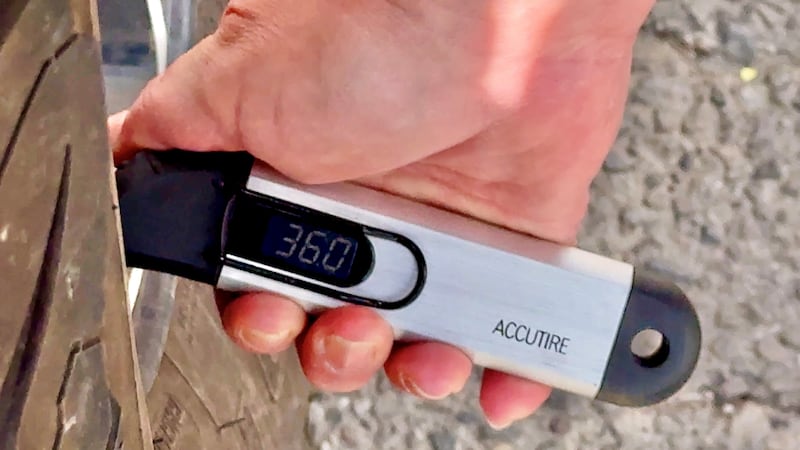
One of the most common tips, is to make sure your tire pressure is correct. A survey last year for the Tire and Rubber Association of Canada found just 28 per cent of motorists check their tire pressure monthly, as recommended.
Some newer cars display tire pressures on the dashboard. For those that don’t, it’s worth manually checking — a sticker on the driver’s side door jamb shows the level recommended by the manufacturer.
“Underinflated tires can reduce your fuel efficiency by four per cent,” says Di Felice. “So it’s worthwhile to make sure that you are keeping up with checking whether your tires are properly inflated.”
Ditch the extra weight
Di Felice also recommends checking the trunk and removing items from your vehicle that aren’t needed.
According to the U.S. Department of Energy, carrying an extra 45 kg (100 pounds) can reduce fuel efficiency by one per cent.
“It doesn’t sound like a lot. But it is actually a lot when we’re dealing with the cost of gas,” she says.
“If you were carrying around a bag of salt or sand to weigh down your car in the snow, it’s time to take it out.”
Remove roof racks when not in use
Leaving roof racks on a vehicle when not being used can also increase fuel consumption.
“It causes a drag on your car and your car has to work harder, which means it’s using more fuel,” says Di Felice.
The publication Car & Driver found removing the factory crossbars from a Kia Carnaval improved fuel economy by 12 per cent.
Slow down and drive steady
On the road, motorists are advised to keep their driving steady and avoid jackrabbit starts and hard braking. Di Felice says aggressive highway driving can reduce fuel efficiency by 15 to 30 per cent.
When possible, use cruise control to help smooth out the ride.
Keeping your speed below 105 km/h can also help improve fuel economy. The CAA says driving at 120 km/h uses roughly 20 per cent more fuel than at 100 km/h.
Keep up with maintenance
Regular car maintenance matters too, since a vehicle not running efficiently will burn more fuel.
Worn spark plugs, dirty air filters and poor wheel alignment can all increase fuel consumption.
“A lot of people push off doing regular maintenance as a way to maybe save money, but that can cost you more in the long run,” Di Felice says.
Skip the premium fuel
Consumer Reports recommends drivers skip more expensive premium fuel, unless a higher octane is required for their vehicle.
Look for deals and rewards
Other advice includes, exploring loyalty and rewards programs offered by gas stations. Di Felice notes CAA members get three cents a litre off fuel at Shell stations.
“There are other programs out there that have you get immediate savings at the pump or help you collect reward points that you could use towards groceries or other items and reduce your costs elsewhere,” she says.

