As cellphones, social media and artificial intelligence become more prevalent in society, some Manitobans are going back to the basics with their pastimes.
They’re known as granny, analog and old-school hobbies, and they include baking sourdough bread, sewing clothes and planting a garden.
Though they may be considered old-fashioned interests, the growing popularity of these hobbies represents a yearning for the past and a desire for human connection.
Why are people getting involved
Whether it’s family tradition, social media inspiration or bonding with friends, every hobbyist has their own reason for pursuing these passions.
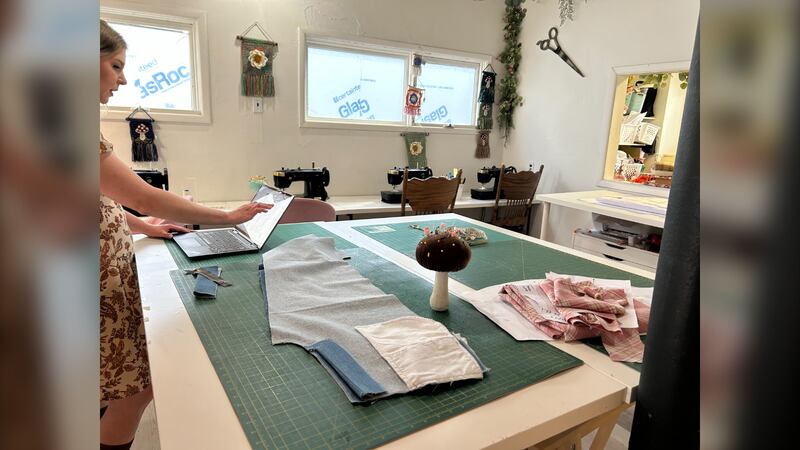
For Brittany Karbonik, owner and sewing instructor at Make It Sew, her love of needle arts came from growing up in a creative household.
“I always really loved making my Halloween costumes with my mom, and I did a sewing program when I was in middle school,” she said.
“I was just always kind of making little stuff for my dolls.”
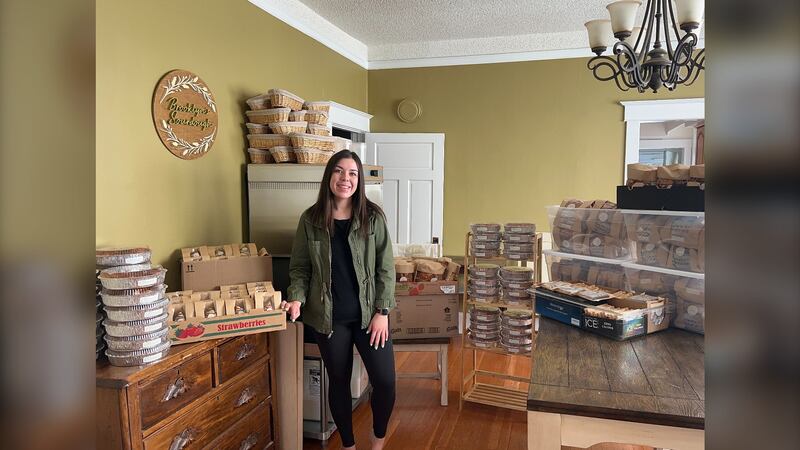
Meanwhile, registered nurse Brooke Ramstead said she got the idea to start making sourdough through other social media users.
Over the years, she’s returned the favour and shared her process online, sparking interest from customers of her own.
“[At first] I was so interested by it, and I thought that’s so cool,” she said.
“I just want to learn how to make it. I want to know how to do it and I want to be able to make our own bread.”
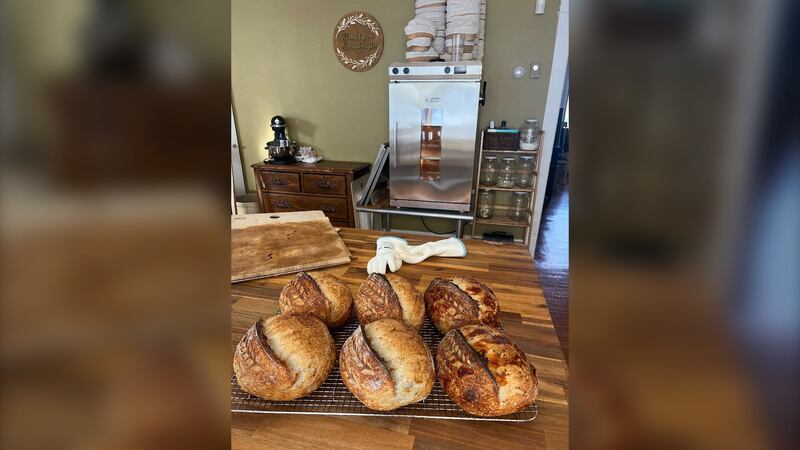
For those wondering, sourdough starts with a mixture of live, fermented culture of flour and water to which wild yeast and other beneficial bacteria are added.
This starter replaces commercial yeast and has to be fed daily. Many starters are kept alive across decades and even centuries, creating a bond between past and future loaves of bread.
Would-be bakers can buy starters from online listings, which are described as being more than a thousand years old.
The boom in popularity
Similar to Karbonik and Ramstead, lots of people are taking up analog hobbies, marking a distinctive departure from the digital world.
Kirby Gehman, the demo team lead for Game-itoba and a self-proclaimed “board game evangelist,” said he’s seeing board and card games growing in popularity.
He attributed this to a desire for direct personal connection and human interaction.
“There’s so much value in just sitting with people, even if you’re saying the same things that you would say in text,” he said.
“The value of just being with people is huge.”
Gehman added that games are also a great way for parents to connect with their children, noting that it can be especially hard to get teenagers to sit around a table and talk.
“You can sit with your teenagers or your preteens or your five-year-old around a table with a board game, and suddenly it’s okay to spend time with your parents and hang out with your parents and sit down and talk and laugh,” Gehman said.
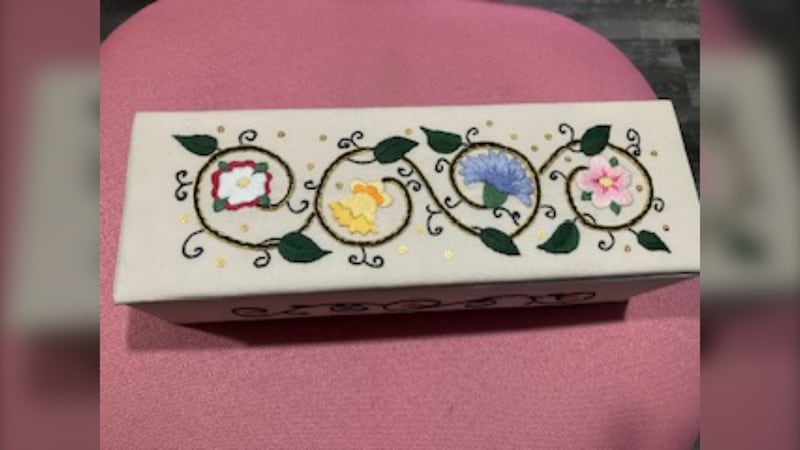
Marjorie Morris, president of the Winnipeg Embroiderers Guild, said she thinks people are returning to these old-school hobbies because they allow people to feel closer to their genealogy and connect with their family roots.
“As, unfortunately, [people’s] grandparents pass away, I think that as they are helping clean out the house or the attic, they’re finding all of these things hidden away in little cubbies,” Morris said.
“I think there’s a lot of unfinished projects, so they want to find a way to finish these things to feel connected.”
Karbonik said the growing popularity of these pastimes also has to do with the rising cost of living and people’s desire to make the most of what they already have.
She added it’s also empowering for women to reclaim the activities that used to be expected of them, such as baking and sewing.
“They were just supposed to be at home doing these things,” she said.
“Now, it’s almost like we get to do these things because we want to, not because we have to.”
A boost for mental health
An additional perk of these hobbies is their impact on mental health.
Social worker and therapist Olivia Barker, who works at West End Therapy, said taking up a hobby is beneficial for reconnecting with ourselves and creating an identity outside of work.
“I think that hobbies have been seen as this sort of frivolous or passive way to spend time,” she said.
“But I’m finding that more and more people are recognizing the benefits of reclaiming our time and seeing hobbies as kind of like a resistance.”
Barker went on to say there have also been studies that have shown the benefits of repetitive movement—something that is found in hobbies like sewing and card games.
She explained these types of movements help to regulate the nervous system.
“Engaging in kind of a predictable, repetitive way really helps to reduce stress and anxiety,” she said.
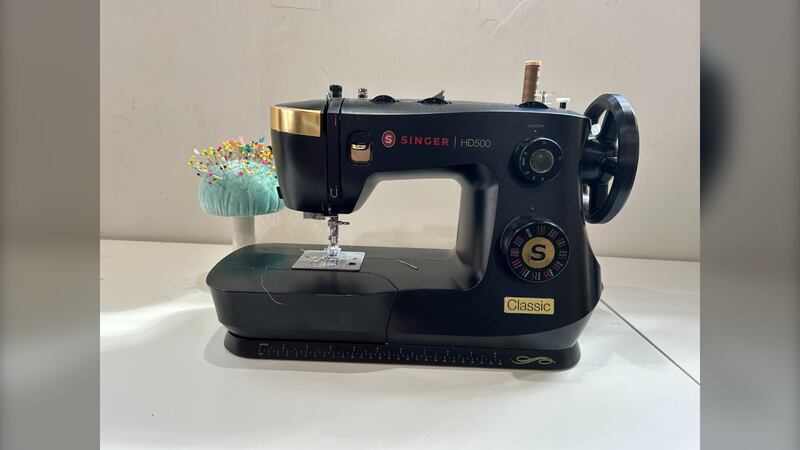
Barker added that analog hobbies also help people move away from instant gratification because many of the activities require working on a longer-term project.
She said this allows people to learn new skills, which helps to improve confidence and build tolerance for distress.
Barker noted she’s mindful of calling these hobbies “old school,” explaining that many of these trending pastimes are also longstanding cultural traditions.
“I think these practices can have really different meaning depending on context,” she said.
“For some people, these are things that aren’t necessarily new, although there’s maybe a revitalization of a lot of these practices. For some, these are tied to economic necessity, not just leisure.”
Trying something new
For those interested in taking up sewing, board games, sourdough baking or any other new interest, Karbonik suggested just giving it a try and not worrying about being good at it.
“I tried crochet, and it took me like six weeks to make one cat… I took a class and I just could not wrap my head around it,” she said.
“I was watching YouTube and like stopping and starting and stopping and starting and taking it apart and starting again.”
She said the fun part about taking up a new hobby is enjoying the process and not taking it too seriously.
“I always tell my students when they come in, ‘This is fun. We’re here to talk and chat, and it’s not about having the most perfect seams; it’s about enjoying the process and learning.’”

