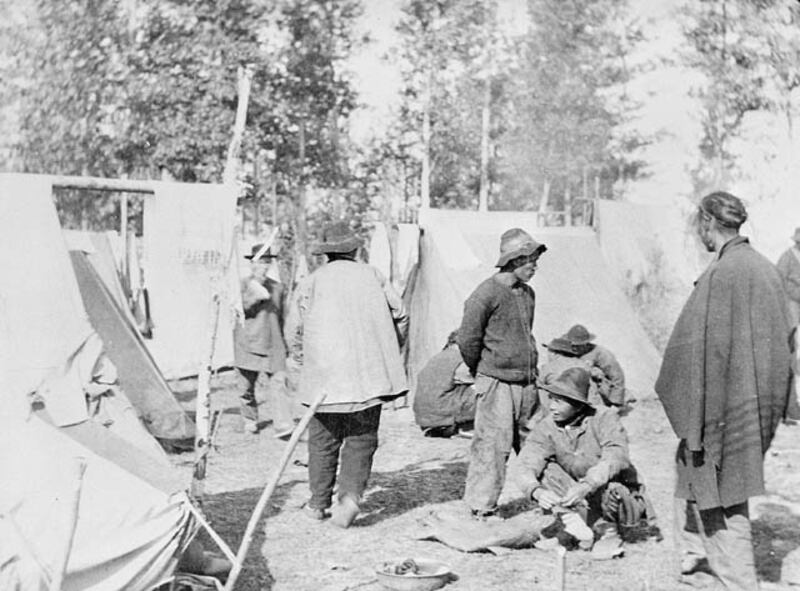
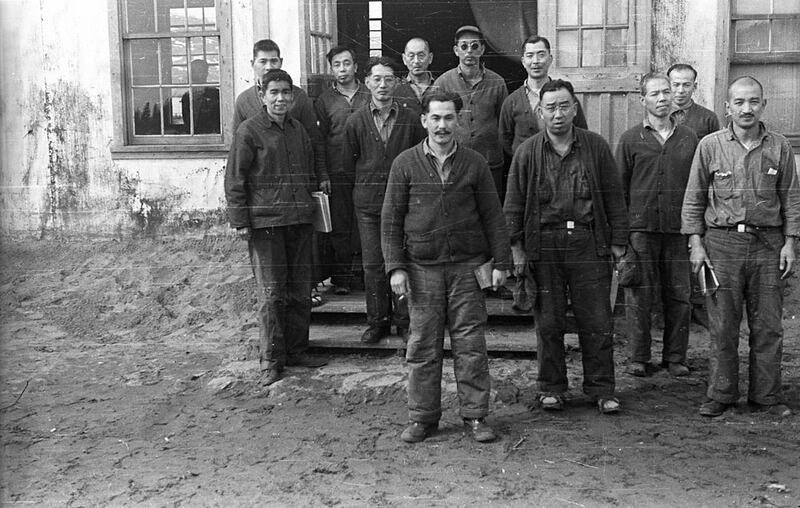
Chinese workers in 1917. (C.P. Meredith/Library and Archives Canada)
Asian faces have been part of the Canadian landscape for hundreds of years, dating back to the late 1780s, according to the Government of Canada.
Since then, the community has boasted a long, prosperous history in the country, albeit one mired by attitudes and laws of racism and prejudice.
The first 50
Dr. Laura Madokoro, an associate professor of migration, humanitarianism, settler colonialism and active history at Carleton University, notes that the Chinese community is “probably one of the longest and most established Asian-Canadian communities.”
She confirms that Asian migration to this side of the Pacific Ocean predates the Canadian Confederation of 1867.
“Canada’s history of Asian migration and settlement is bound up with these larger histories of mobility and settlement along the Pacific,” she tells CTV News. “Canada’s one part of a much longer, much larger history of mobility that’s centred in Asia.”
The federal government states that the first Chinese migrants to land in Canada — 50 artisans tasked with building a trading post — arrived with British fur trader Captain John Meares at Nootka Sound on Vancouver Island in May 1788.
“The following year, an additional 70 Chinese workers arrived to help build a fort and a schooner,” the government notes.
0 of 57
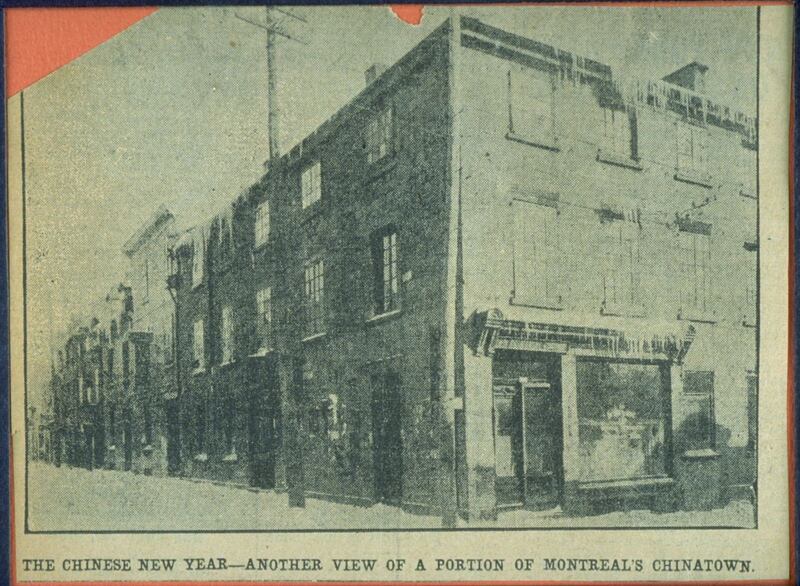
A picture of Montreal's Chinatown taken sometime between 1870 and 1920. (Unknown photographer/Bibliothèque et Archives nationales du Québec)
A Chinese arch on Pender Street in Vancouver B.C., date unknown. (Howard Fuller / Library and Archives Canada)
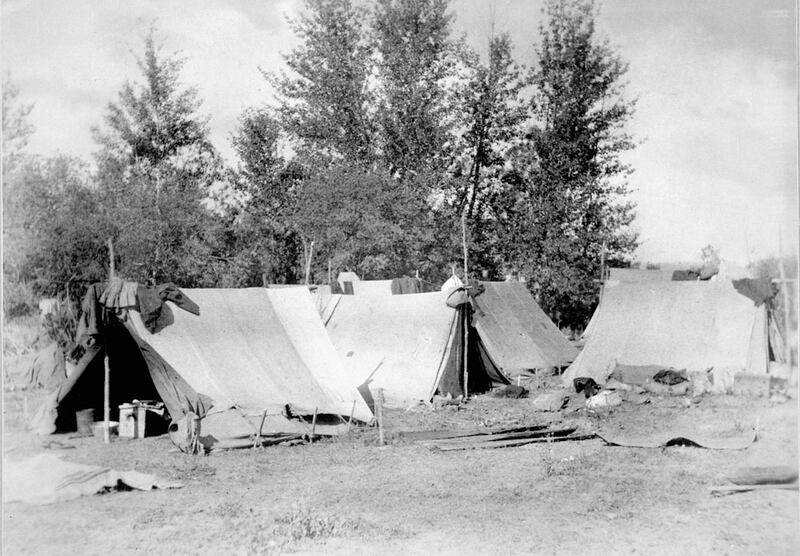
Construction of a Chinese camp in 1886. (Library and Archives Canada)
A Chinese camp in 1886 in Kamloops, B.C. (C. Deville/Library and Archives Canada)
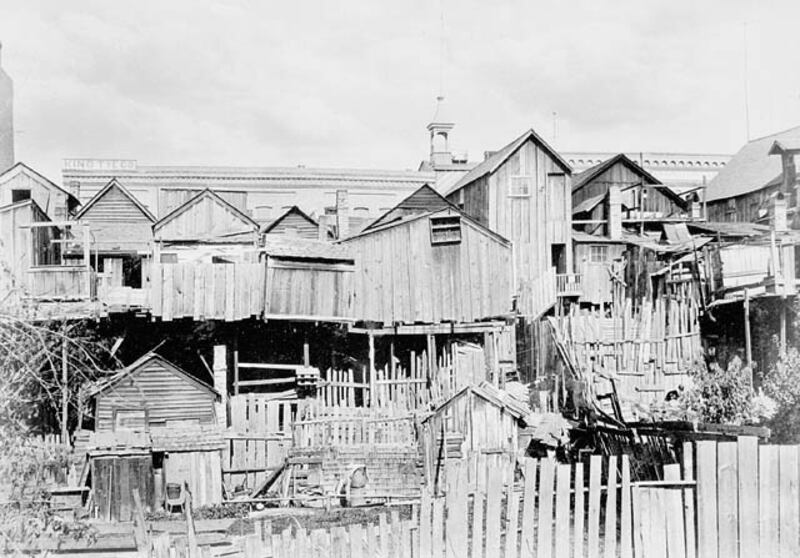
The homes of Chinese people in Victoria, B.C. in 1886. (Edouard G. Deville / Library and Archives Canada)
Immigrants, including the first person from Japan, arrive on the Tango Maru from 1865 to 1935. (Department of Employment and Immigration fonds/Library and Archives Canada)
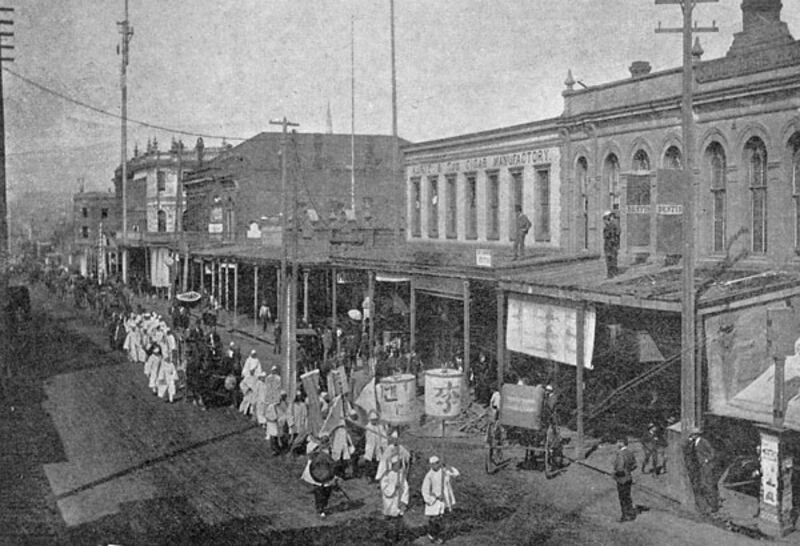
A Chinese funeral procession on Dec. 13, 1890. (Library and Archives Canada)
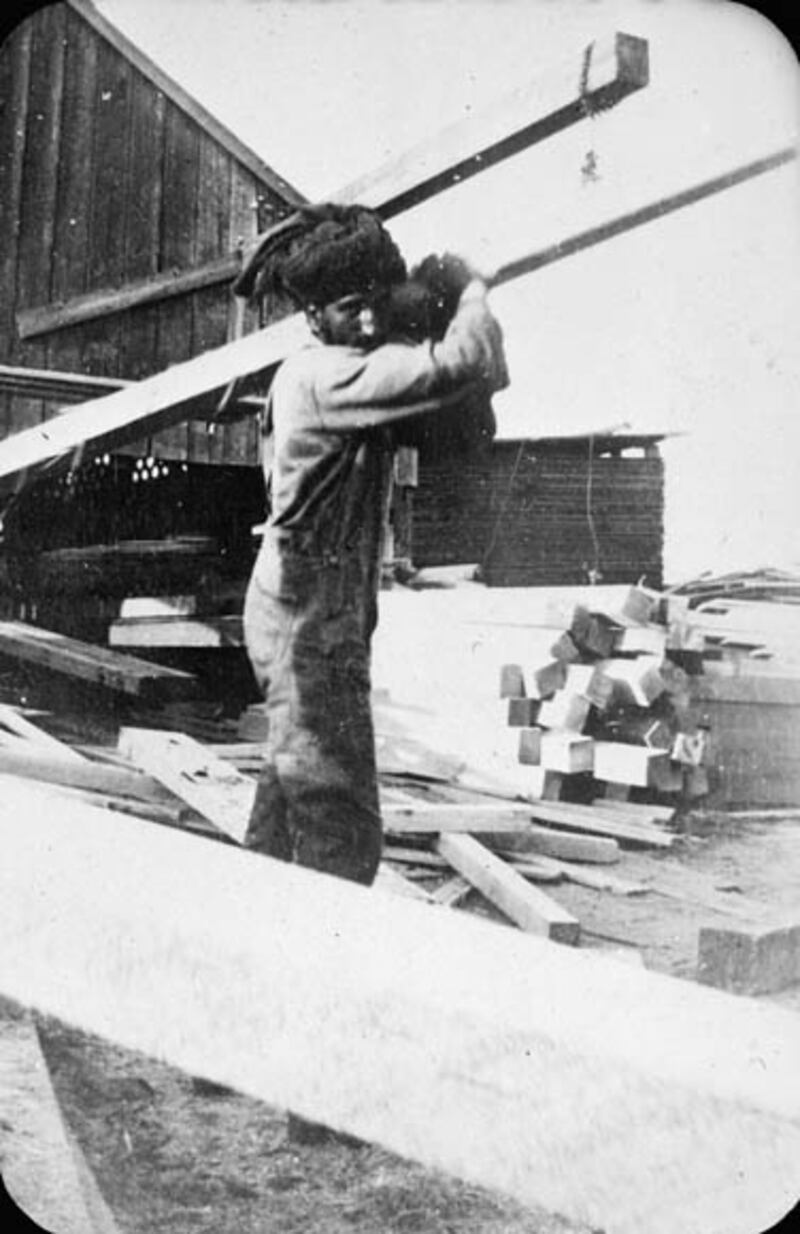
A Sikh man in a Canadian lumberyard in 1900. (Ridsdale, G.F. / Library and Archives Canada)
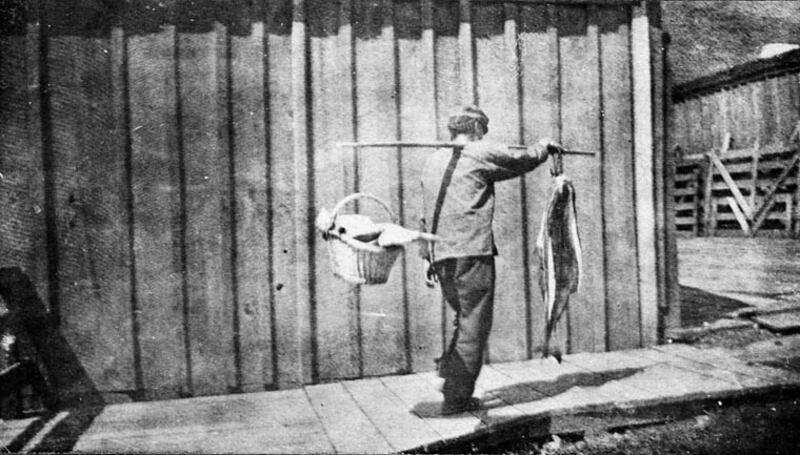
A Chinese immigrant is photographed sometime between 1903 and 1905. (Library and Archives Canada)
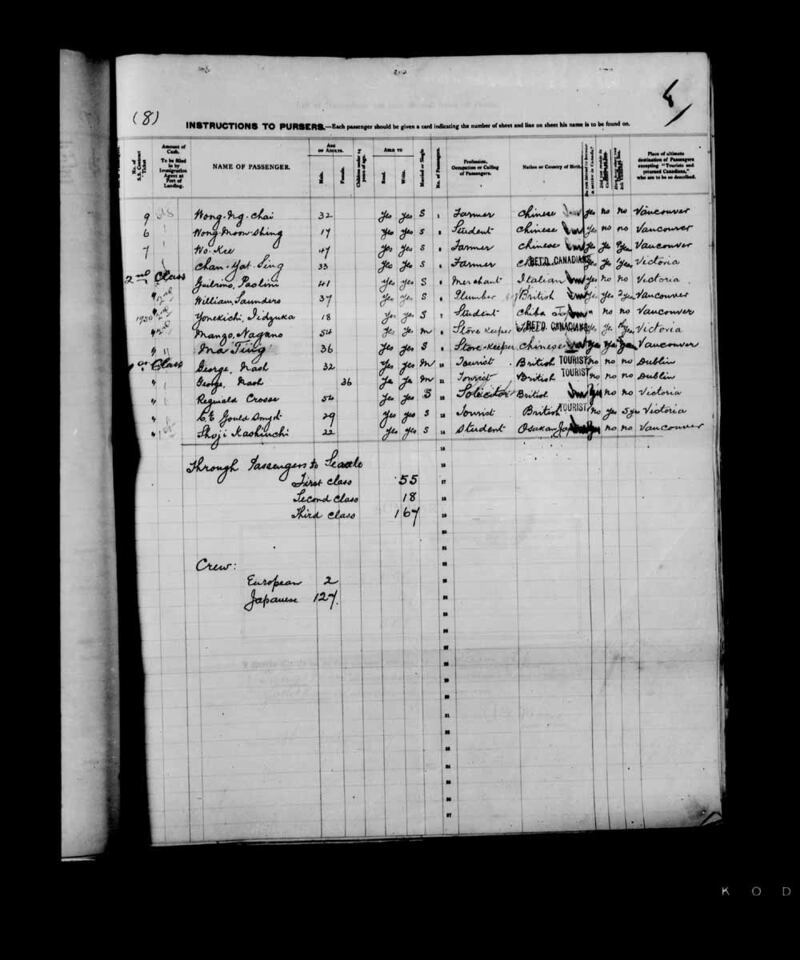
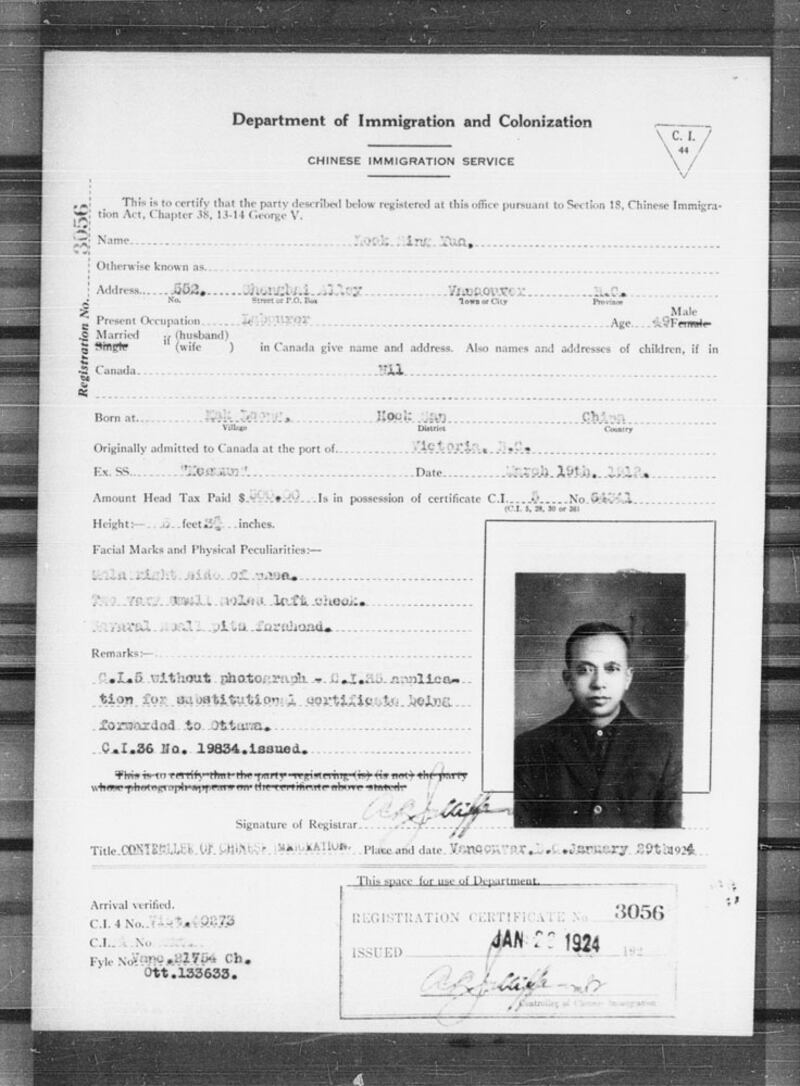
Immigration documents for Look Sing Yue, 49, who immigrated from China to Canada on March 19, 1912.
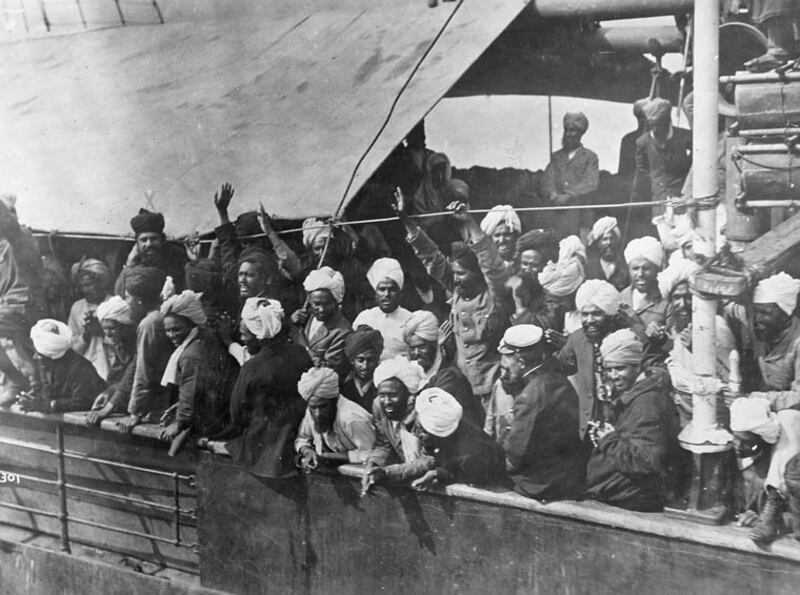
The Komagata Maru incident was an immigration dispute involving passengers aboard a Japanese steamship denied entry in Vancouver, B.C in 1914. (Library and Archives Canada)
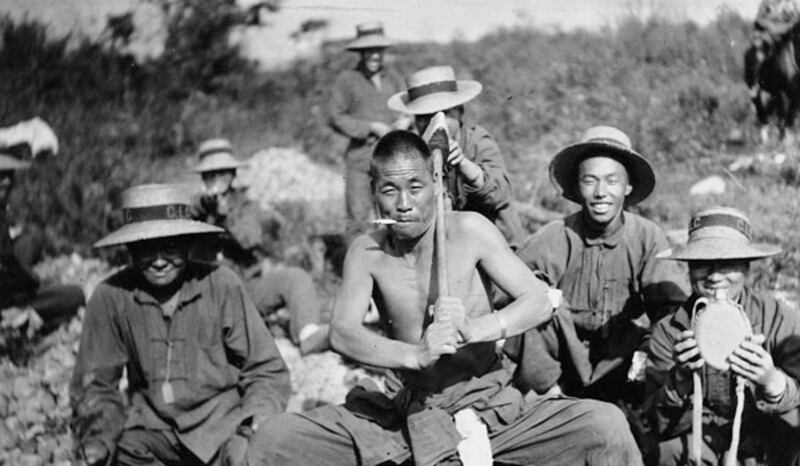
Chinese workers in 1917. (C.P. Meredith/Library and Archives Canada)
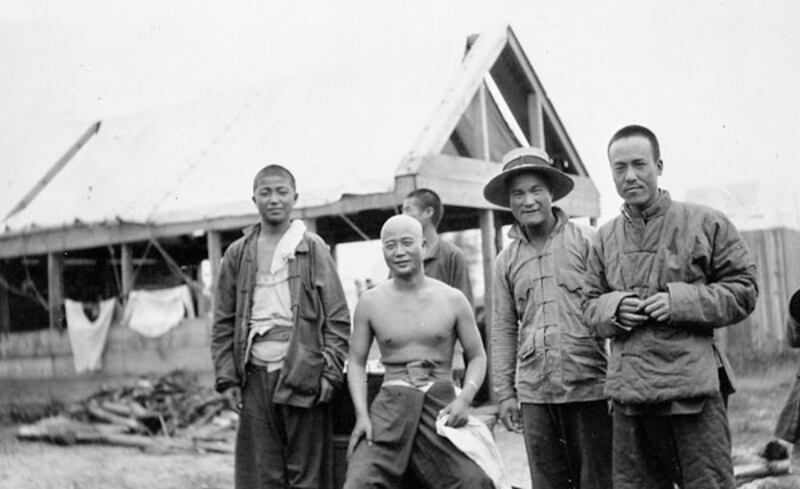
Chinese Labourers at Camp Petawawa in Ontario in 1917. (Meredith, C.P. / Library and Archives Canada)
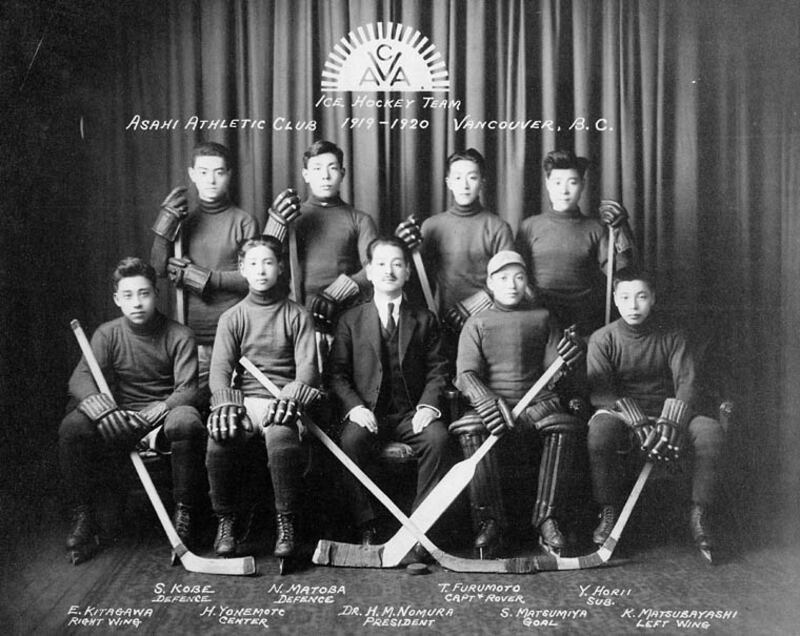
The Asahi Athletic Club Ice Hockey Team in Vancouver, B.C., 1919-1920. Left to right: E. Kitagawa, right wing; S. Kobe, defence; H. Yonemoto, center; N. Matoba, defence; Dr. H.M. Nomura, president; T. Furumoto, captain and rover; S. Matsumiya, goal; Y. Horii, substitute; K. Matsubayashi, left wing. (Library and Archives Canada)
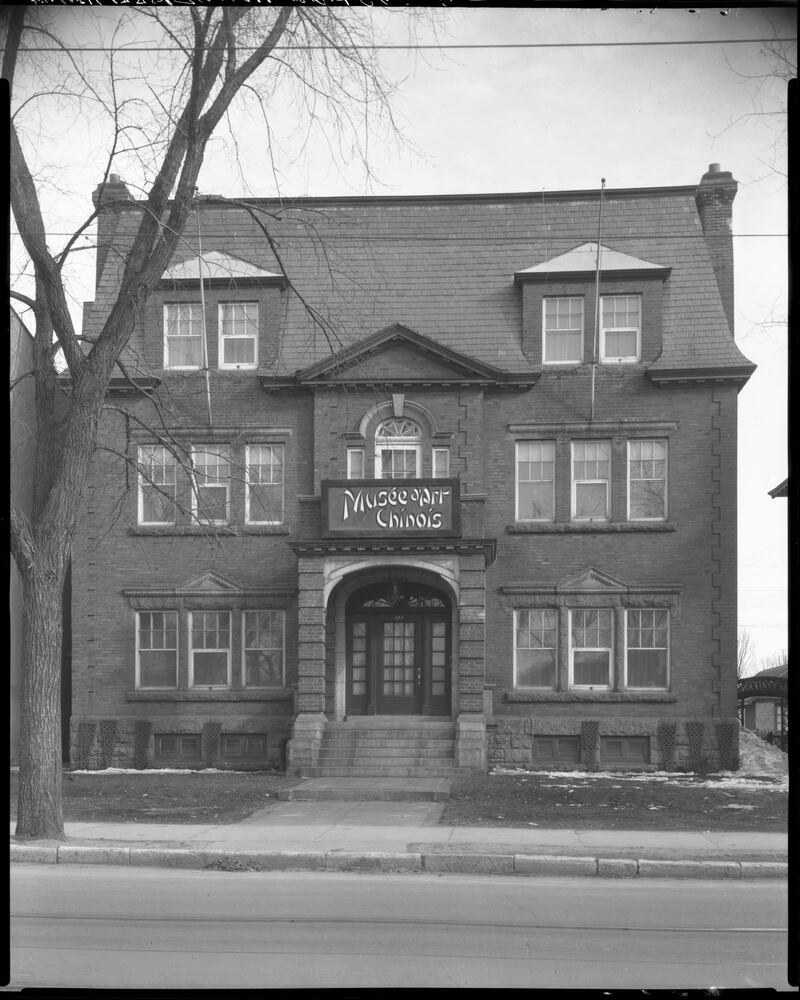
The facade of the Chinese Art Museum in the Saint-Jean-Baptiste neighbourhood, 1935. (Studio Livernois/Bibliothèque et Archives nationales du Québec)
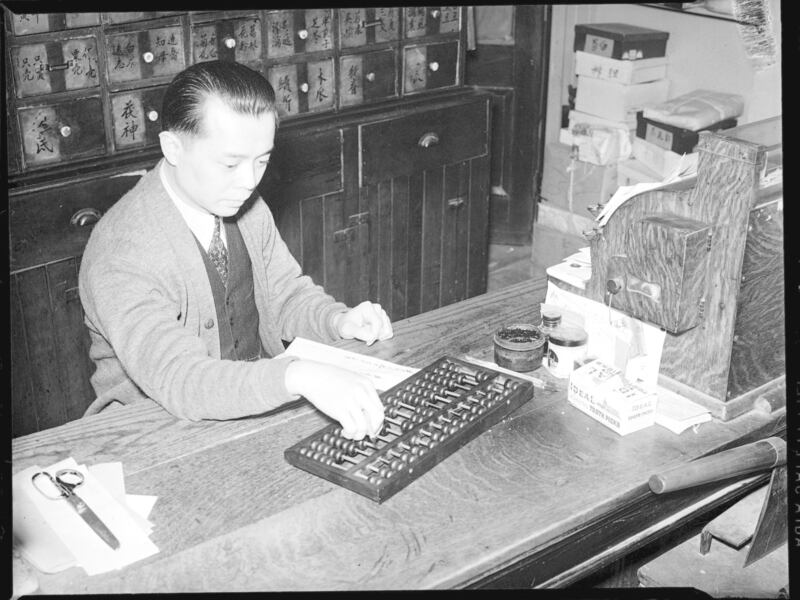
A shopkeeper uses an abacus next to a cash register, March 14, 1940. (Conrad Poirier/Bibliothèque et Archives nationales du Québec)
A group of Japanese prisoners in front of a cabin sometime between 1943 and 1945. (Library and Archives Canada)
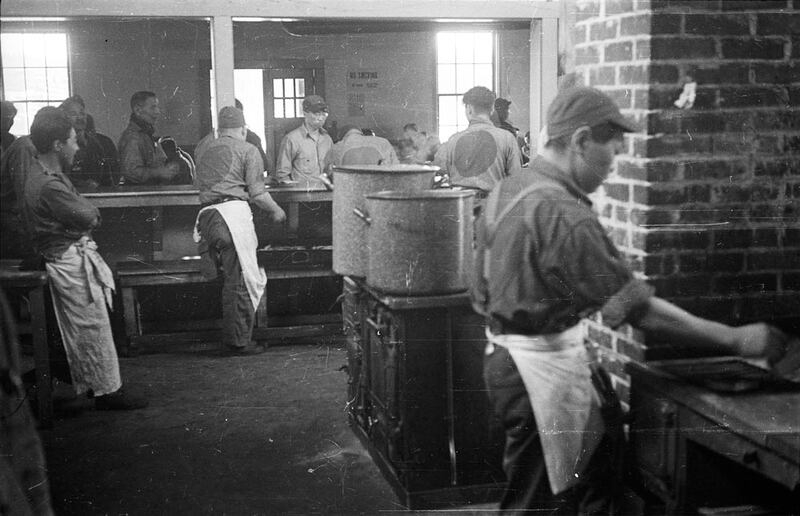
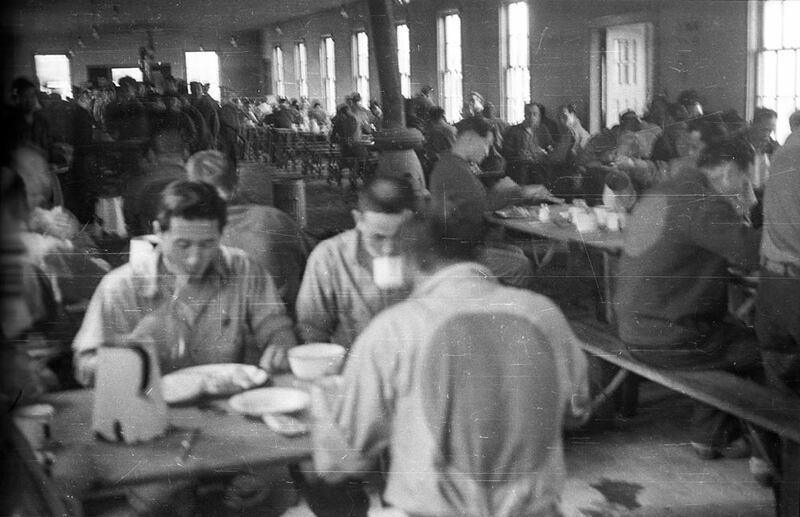
Japanese prisoners in a mess hall, sometime between 1943 and 1945. (Library and Archives Canada)
Japanese prisoners eating in a mess hall, sometime between 1943 and 1945. (Library and Archives Canada)
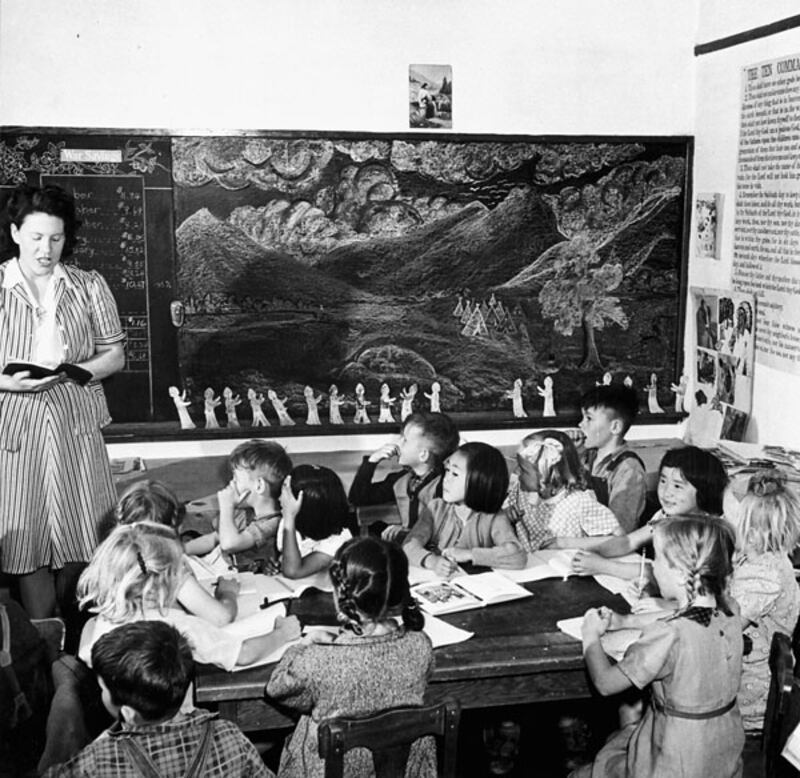
Japanese children from an internment camp attend school in Picture Butte, Alta. in July 1945. (Jack Long/National Film Board of Canada. Photothèque/Library and Archives Canada)
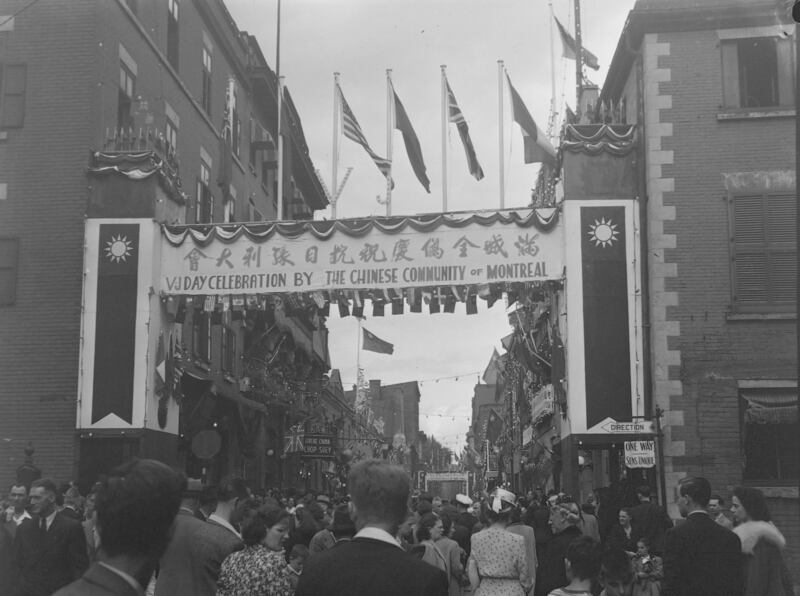
The Chinese community celebrates Victory Day in Montreal's Chinatown, with the crowd fills the streets of La Gauchetière West and Mansfield after the parade passes by on Sept. 2, 1945. (Conrad Poirier/Bibliothèque et Archives nationales du Québec)
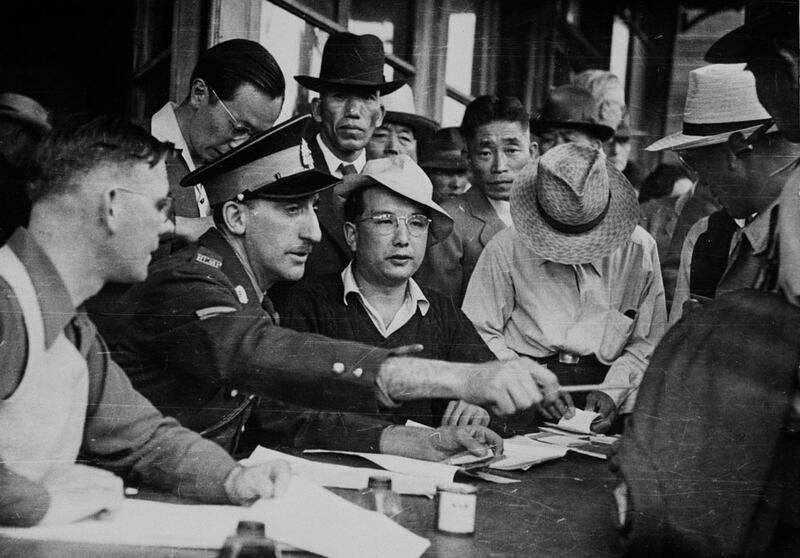
Fred Aydon (left, wearing glasses), Royal Canadian Mounted Police Corporal R.A. Davidson (pointing) and Ken Saito (right of Corporal Davidson) check registration numbers of Japanese Canadian deportees, in Slocan City, B.C., in June 1946 (Tak Toyota / Library and Archives Canada)
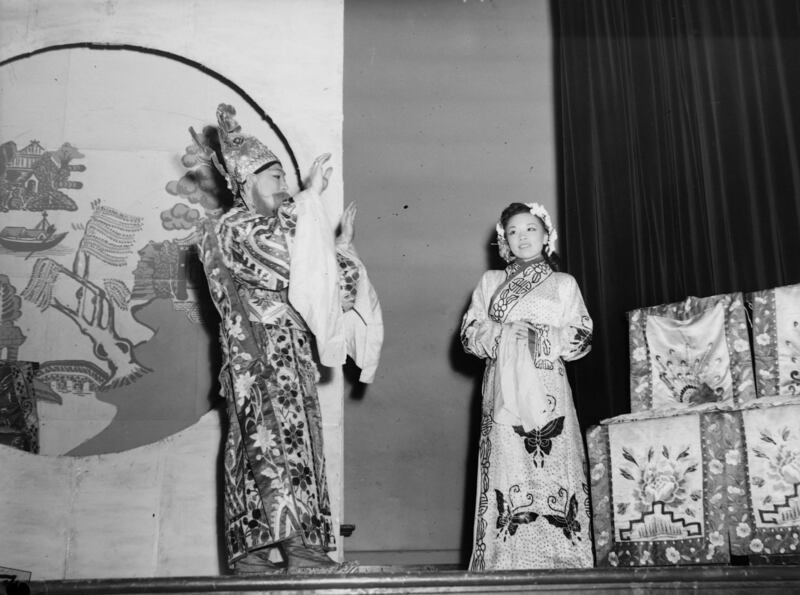
A number from the variety show presented by Montreal's Chinese community on March 26, 1948. (Conrad Poirier/Bibliothèque et Archives nationales du Québec)
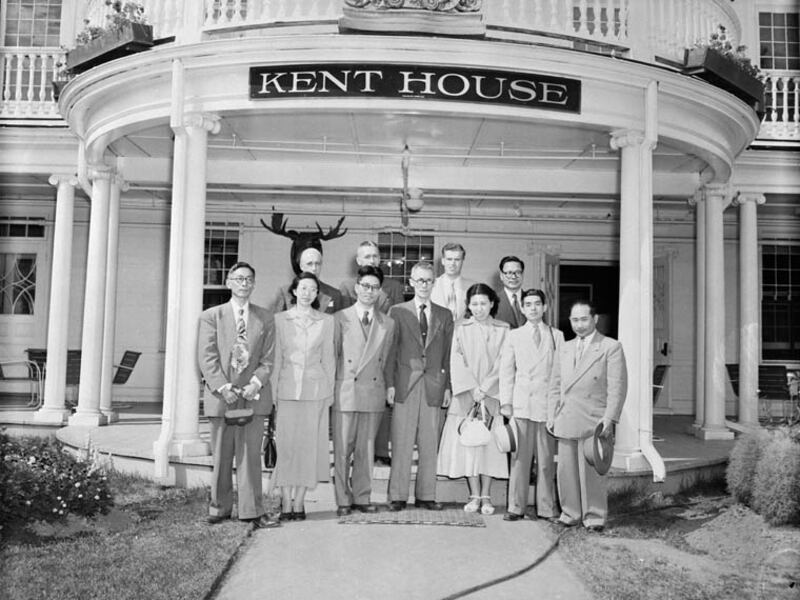
A group of Japanese people at Kent House in Montmorency, Que. on Aug. 19, 1949. (William B. Edwards / Library and Archives Canada)
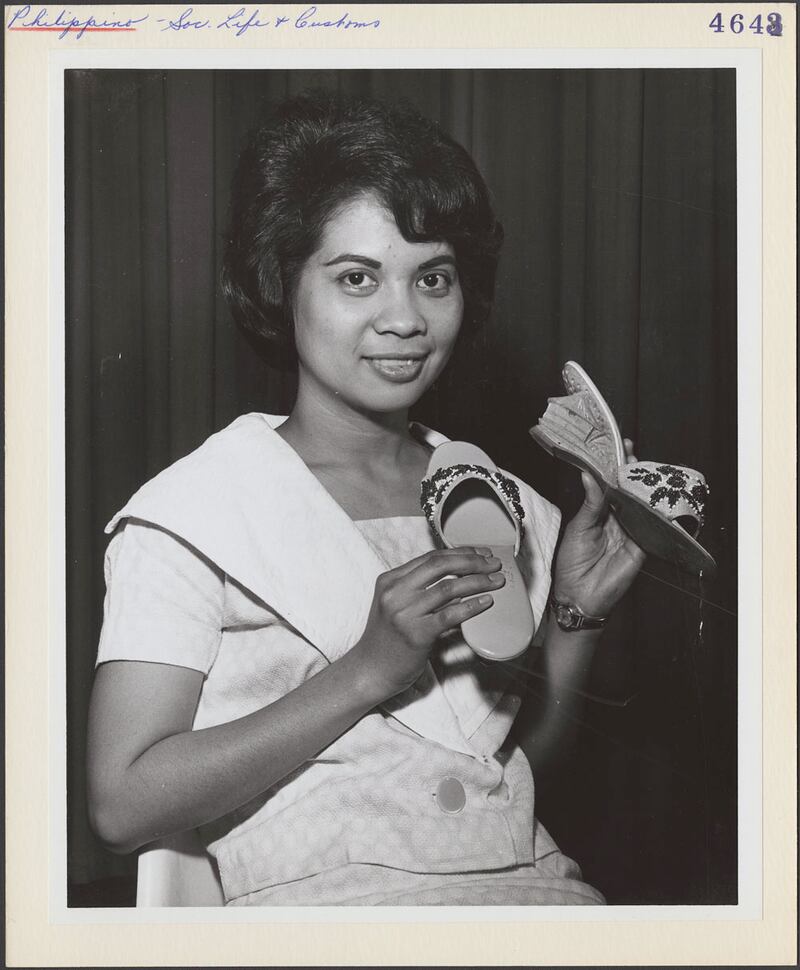
Miss Elsa Pison displaying Philippine shoes with bamboo heel carved by hand into typical native scenery, taken between 1955 and 1965. The heel portrays a hut and the tops are beaded. (Canada Dept. of Manpower and Immigration/Library and Archives Canada)
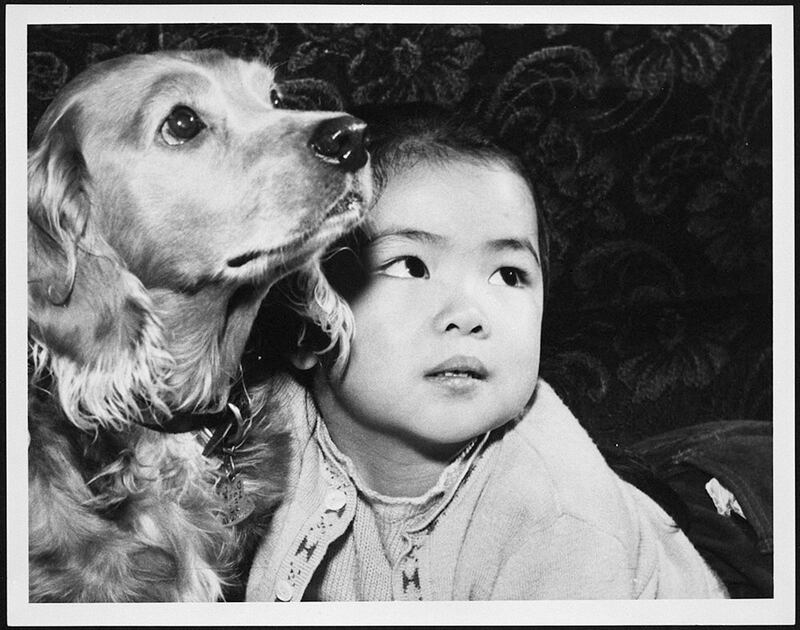
A young girl, Susan Chow, celebrates Lunar New Year with her dog, Toby, in 1960. (Library and Archives Canada)
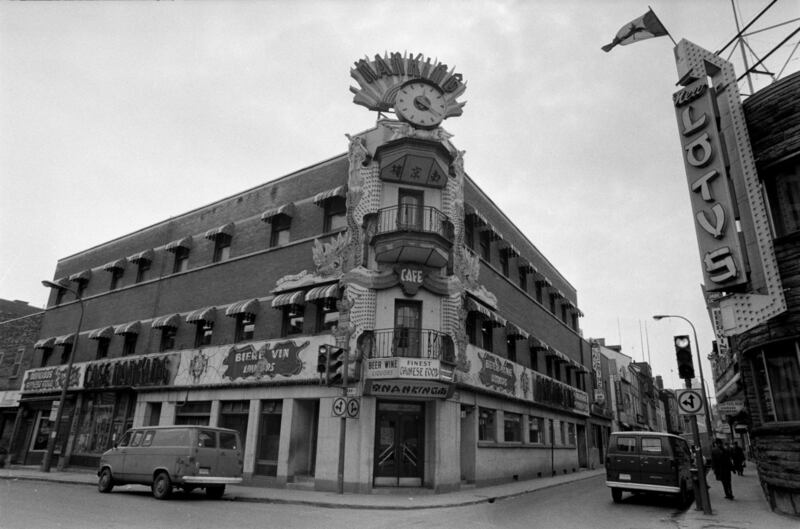
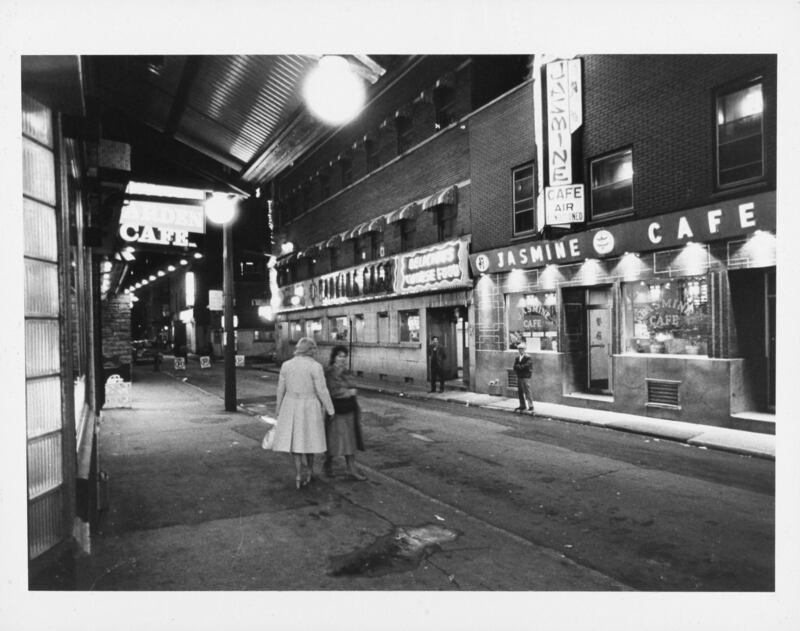
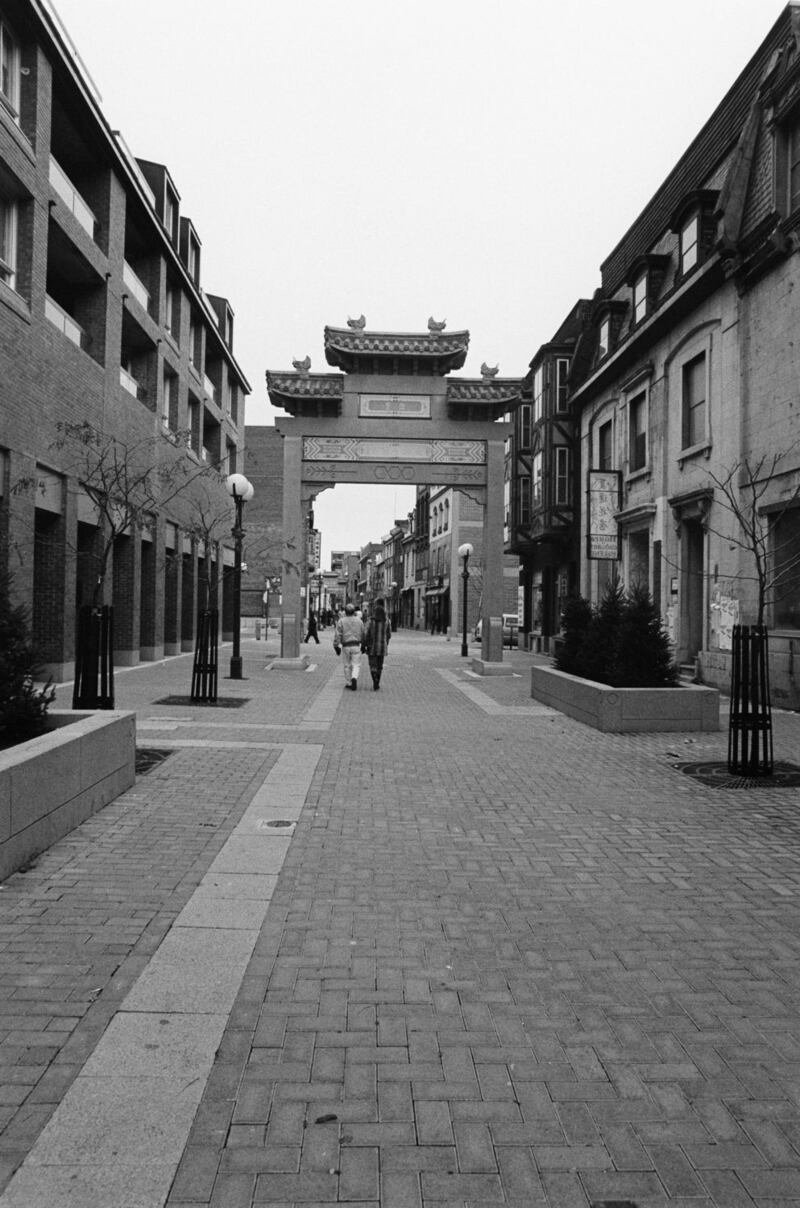
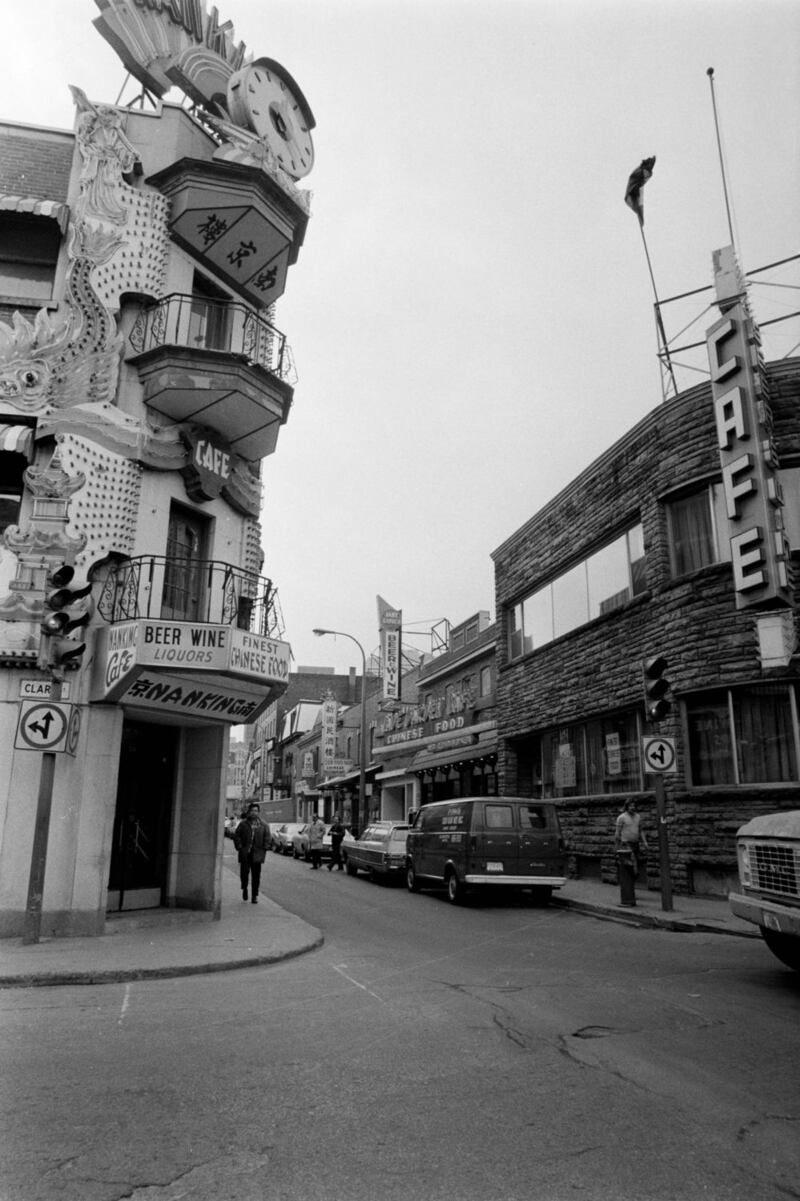
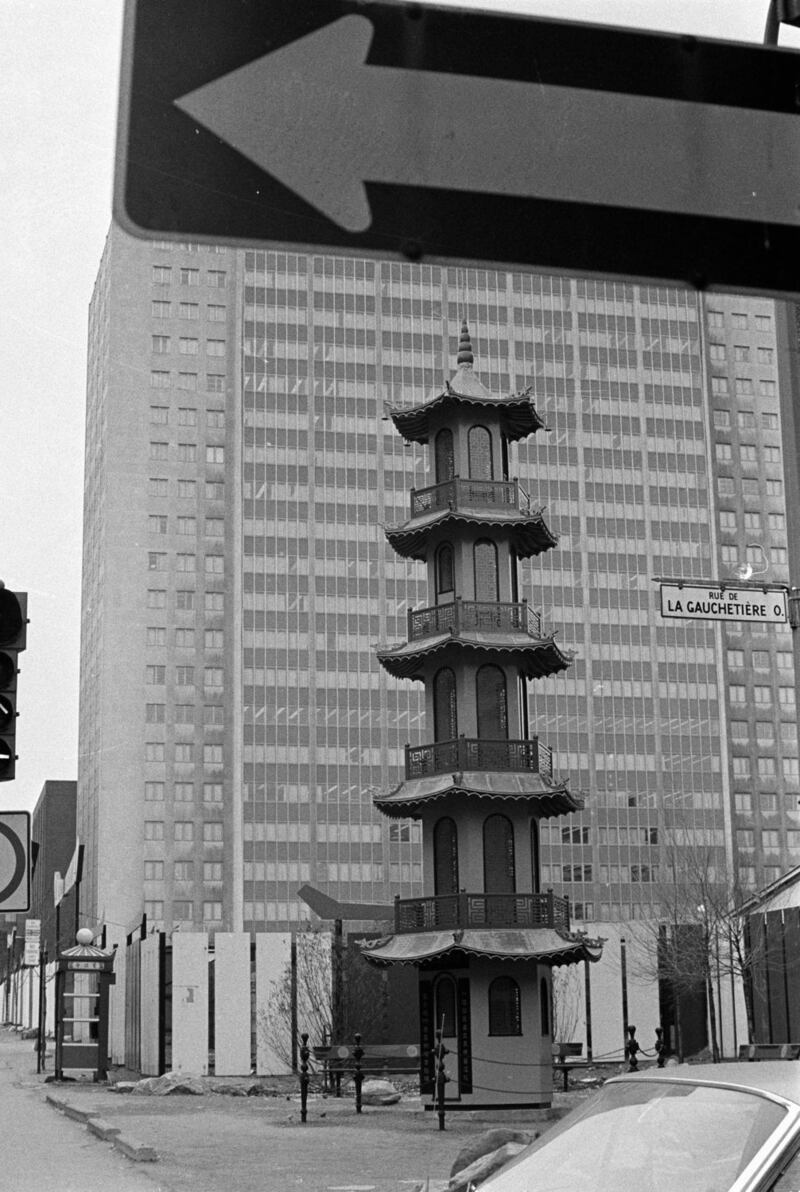
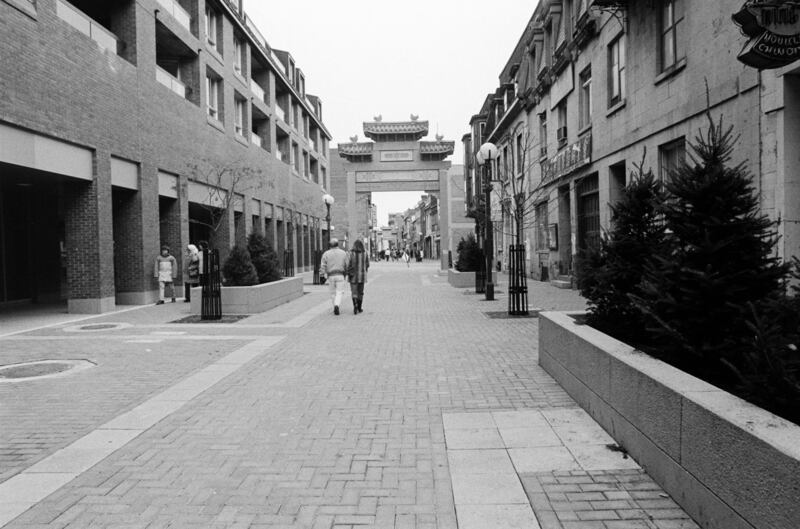
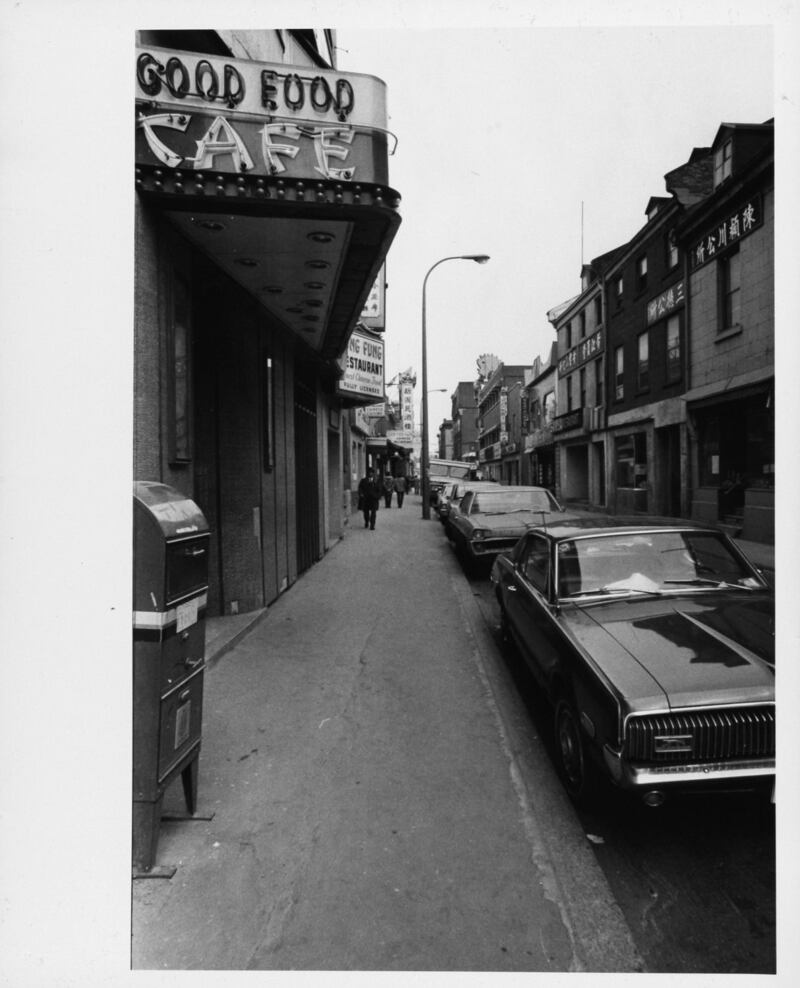
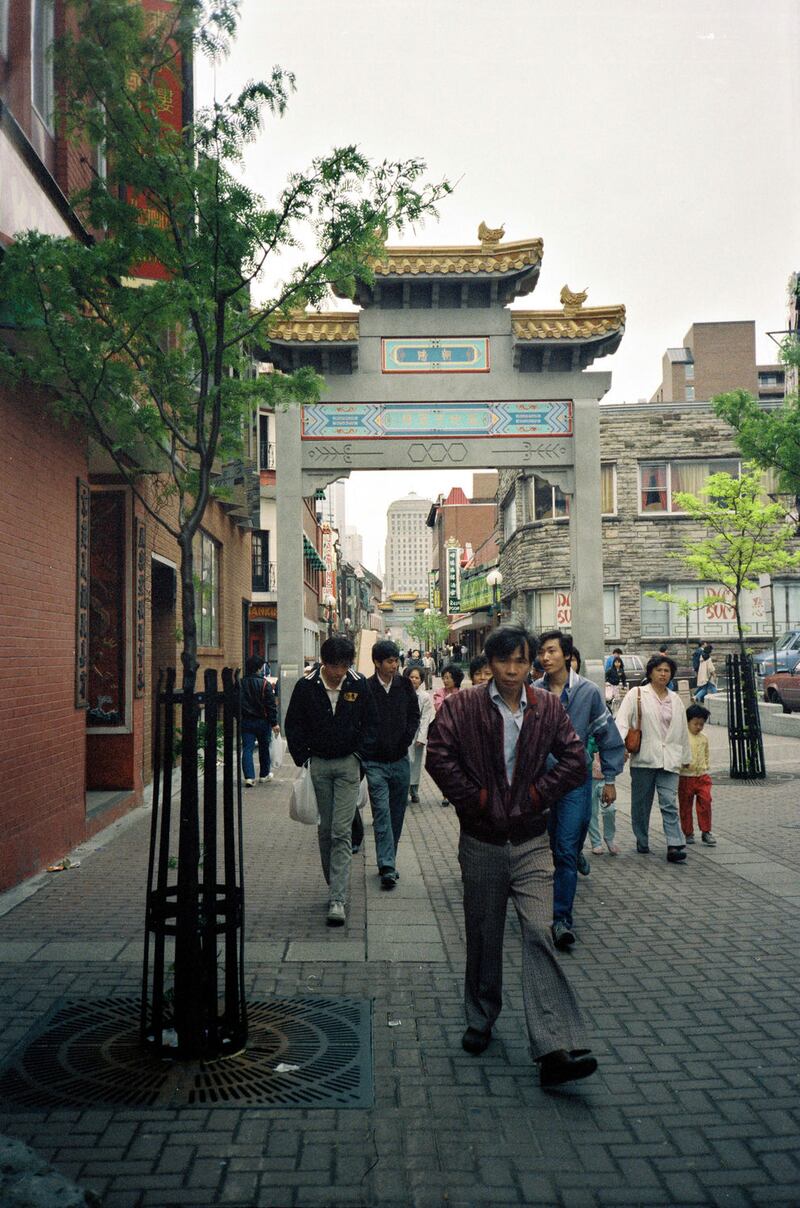
Montreal's Chinatown from the 1960 to 1970. (Antoine Desilets/Bibliothèque et Archives nationales du Québec)
Montreal's Chinatown from the 1960 to 1970. (Antoine Desilets/Bibliothèque et Archives nationales du Québec)
Montreal's Chinatown from the 1960 to 1970. (Antoine Desilets/Bibliothèque et Archives nationales du Québec)
Montreal's Chinatown from the 1960 to 1970. (Antoine Desilets/Bibliothèque et Archives nationales du Québec)
Montreal's Chinatown from the 1960 to 1970. (Antoine Desilets/Bibliothèque et Archives nationales du Québec)
Montreal's Chinatown from the 1960 to 1970. (Antoine Desilets/Bibliothèque et Archives nationales du Québec)
Montreal's Chinatown from the 1960 to 1970. (Antoine Desilets/Bibliothèque et Archives nationales du Québec)
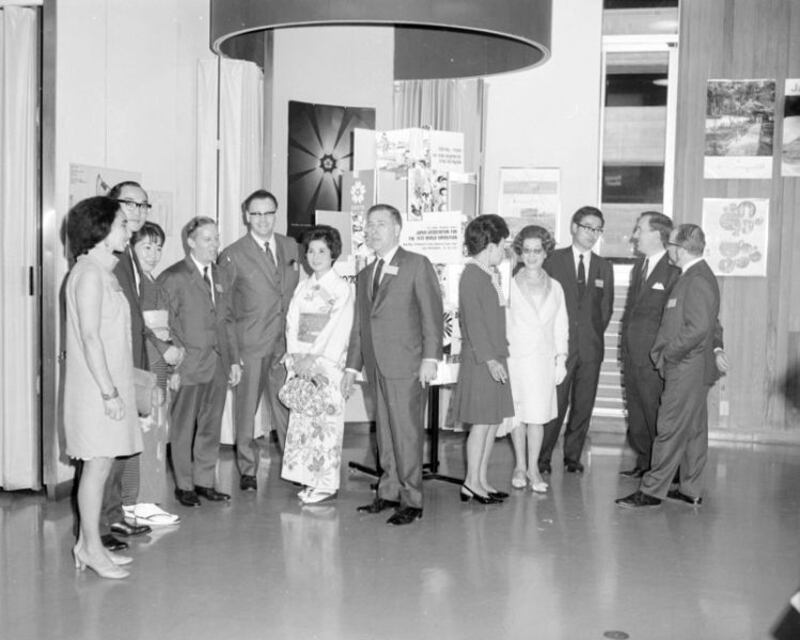
People attend a reception at the Pavillon japonais in 1968. (Claude Gosselin/Bibliothèque et Archives nationales du Québec)
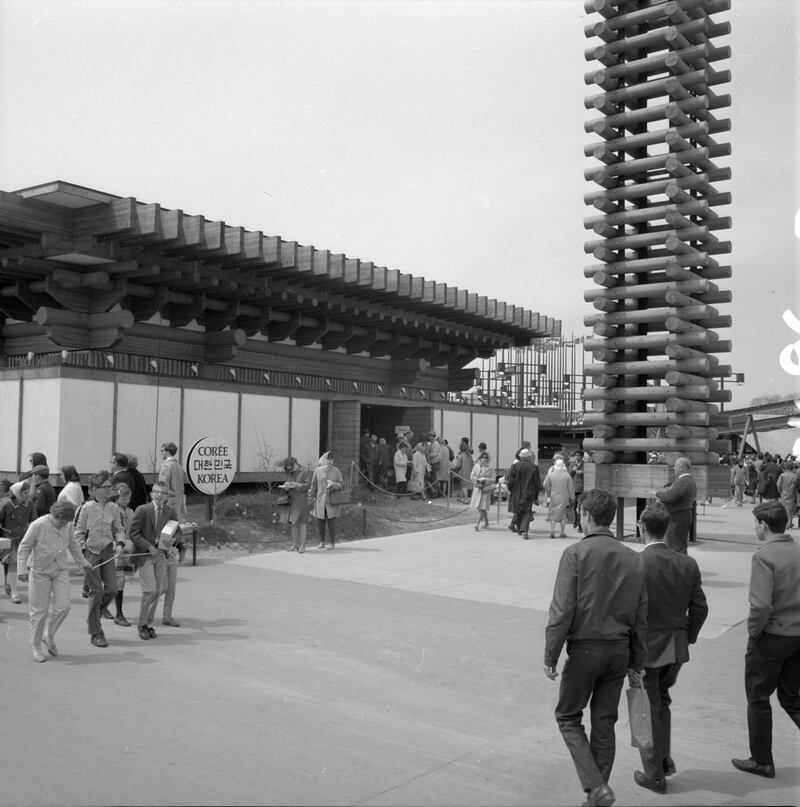
An exterior view of Korean Pavilion at Expo 67. (Government of Canada/Library and Archives Canada)
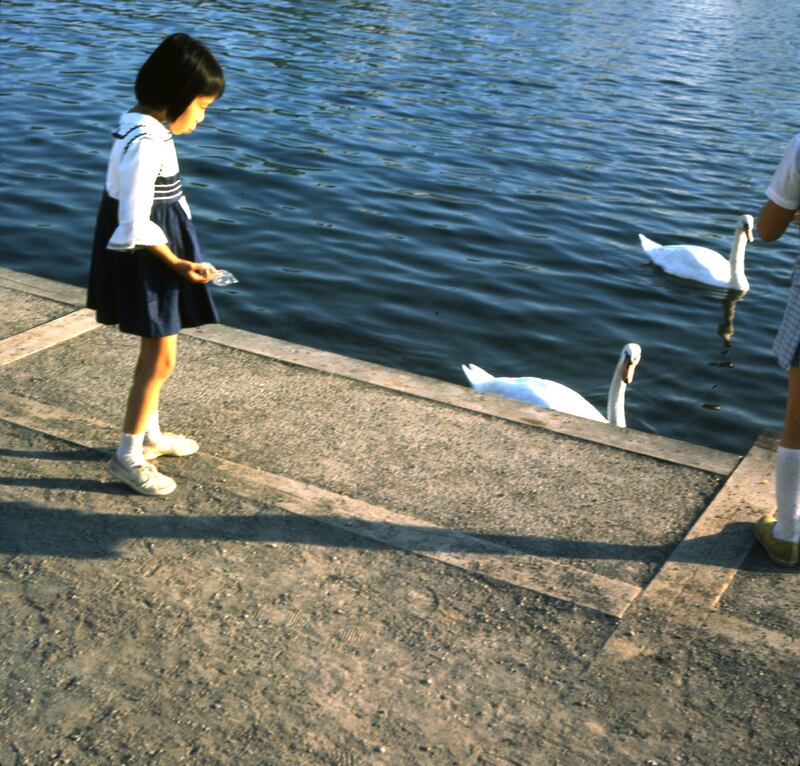
An Asian girl stands near a pond to admire swans at the 1967 International and Universal Exposition, commonly known as Expo 67. (Armour Landry/Bibliothèque et Archives nationales du Québec)
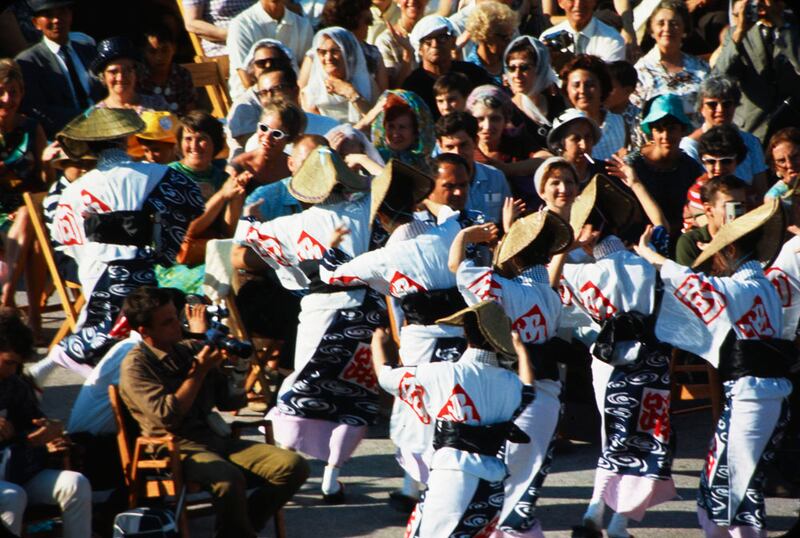
Japanese dancers at Expo 67 in Montreal, Que. (Library and Archives Canada)
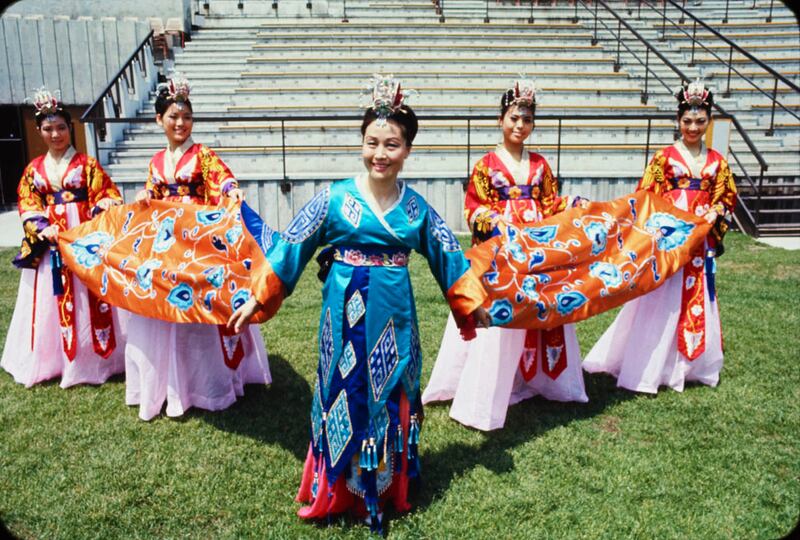
Korean dancers are photographed in Quebec in June 1967. (Library and Archives Canada / Canadian Corporation for the 1967 World Exhibition)
Montreal's Chinatown from the 1960 to 1970. (Antoine Desilets/Bibliothèque et Archives nationales du Québec)
Montreal's Chinatown from the 1960 to 1970. (Antoine Desilets/Bibliothèque et Archives nationales du Québec)
Montreal's Chinatown from the 1960 to 1970. (Antoine Desilets/Bibliothèque et Archives nationales du Québec)
Montreal's Chinatown from the 1960 to 1970. (Antoine Desilets/Bibliothèque et Archives nationales du Québec)
Montreal's Chinatown from the 1960 to 1970. (Antoine Desilets/Bibliothèque et Archives nationales du Québec)
Montreal's Chinatown from the 1960 to 1970. (Antoine Desilets/Bibliothèque et Archives nationales du Québec)
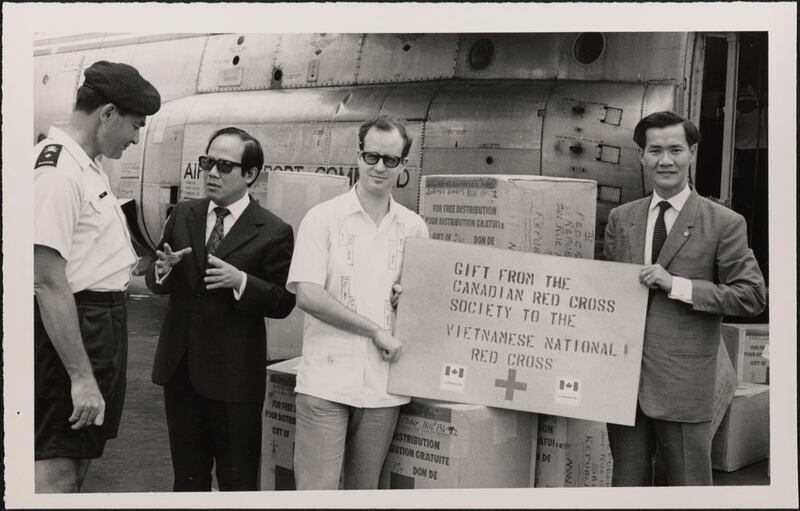
Members of the Canadian Red Cross donating clothes to the Vietnamese National Red Cross in Ho Chi Minh City, formerly known as Saigon, Vietnam in 1972. (Unknown photographer/Department of External Affairs fonds/Library and Archives Canada)
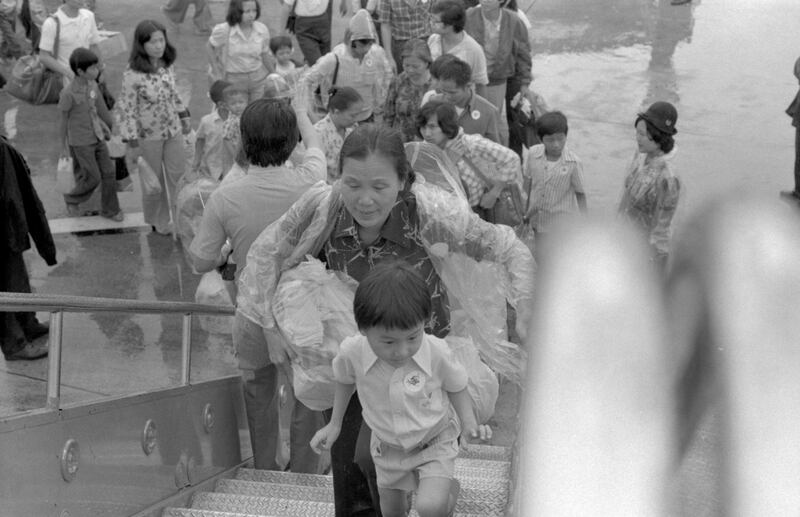
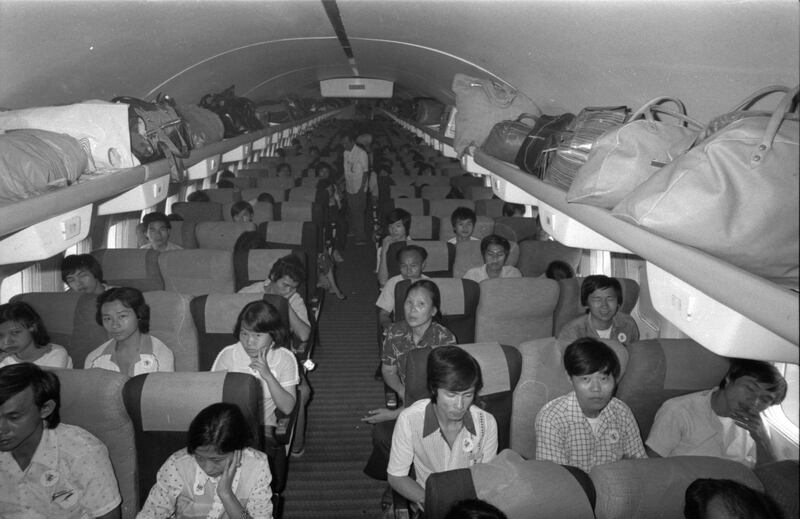
Vietnamese Refugees board a second CF Airlift to Canada, as photographed by MCpl. Bryantowich on July 30, 1979. (Canada Department of National Defence/Library and Archives Canada)
Vietnamese refugees are seen in this photograph from July 30, 1979. (Canada Department of National Defence/Library and Archives Canada)
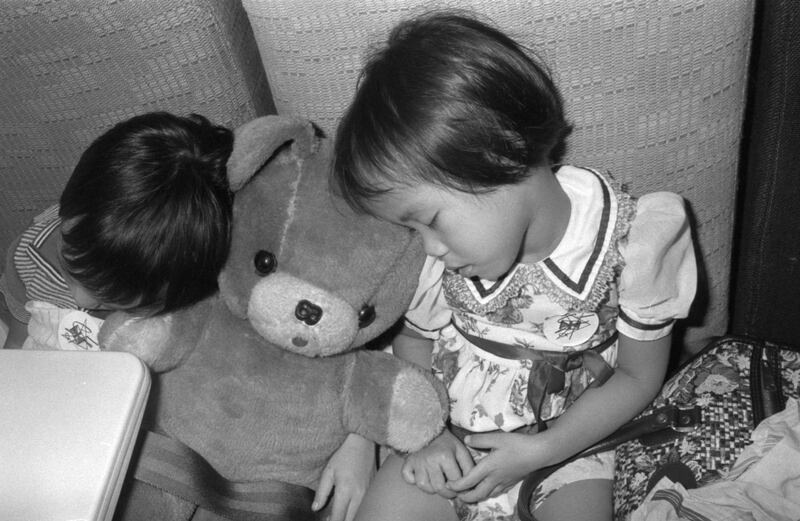
A young girl asleep with a teddy bear, photographed by MCpl. Bryantowich on July 30, 1979. (Canada. Department of National Defence/Library and Archives Canada)
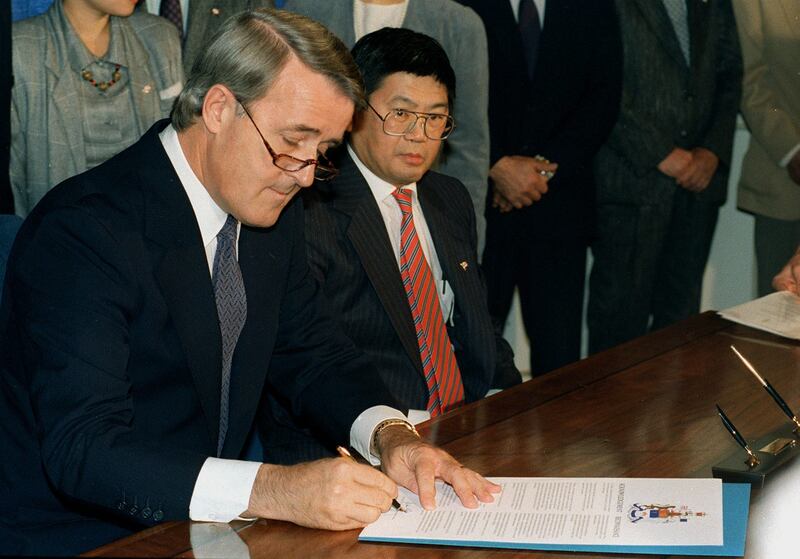
In 1988, Prime Minister Brian Mulroney and Art Miki, the president of the Japanese-Canadian Association conclude the signing in Ottawa of an agreement to redress the wrong done to 22,000 Japanese-Canadians who were interned during World War II. (CP PHOTO)
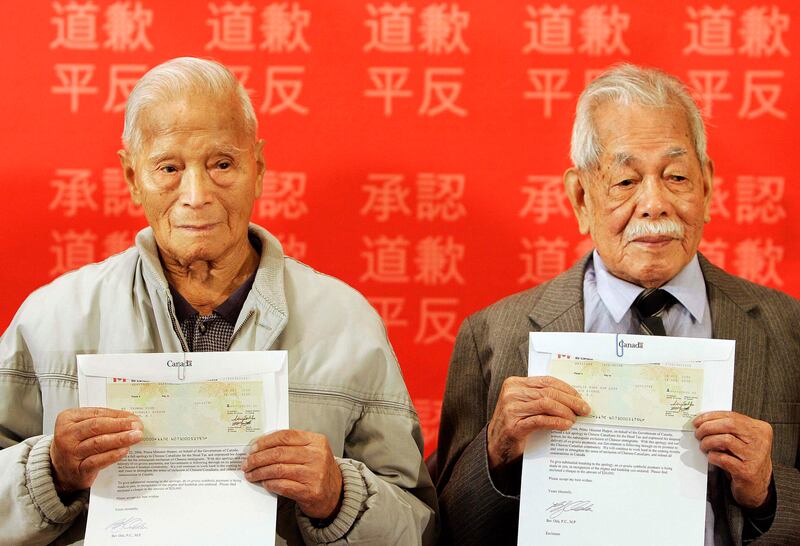
Thomas Soon (left) 97-years-old and Charlie Quon, 99-years-old, hold government cheques, the first redress payments to Chinese Head Tax payers in Vancouver Friday October 20, 2006. Prime Minister Stephen Harper formally apologized to Chinese Canadians in June for the head tax, which was charged to Chinese immigrants to Canada early in the last century. (CP P HOTO/Lyle Stafford)
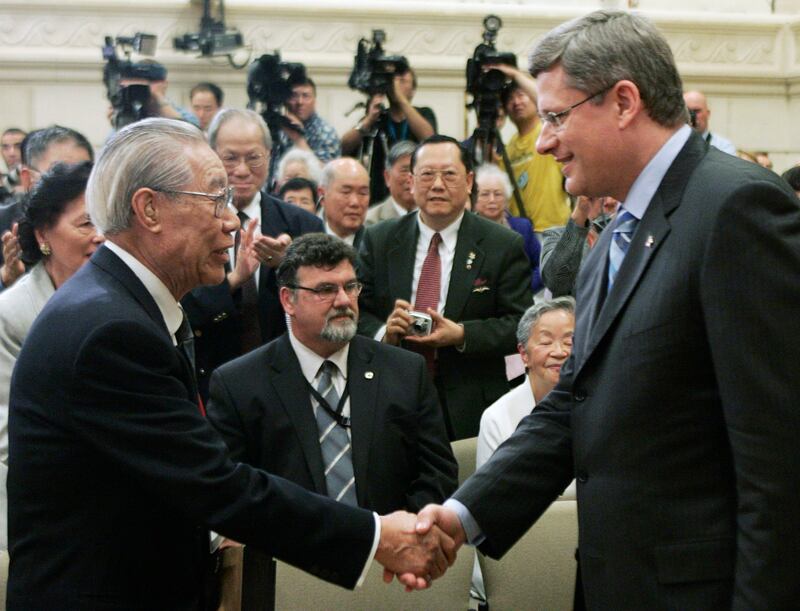
Prime Minister Stephen Harper greets Chinese head tax survivor James Pon in Ottawa Thursday, June 22, 2006 during a ceremony announcing the government's official apology for the tax. (CP PHOTO/Tom Hanson)
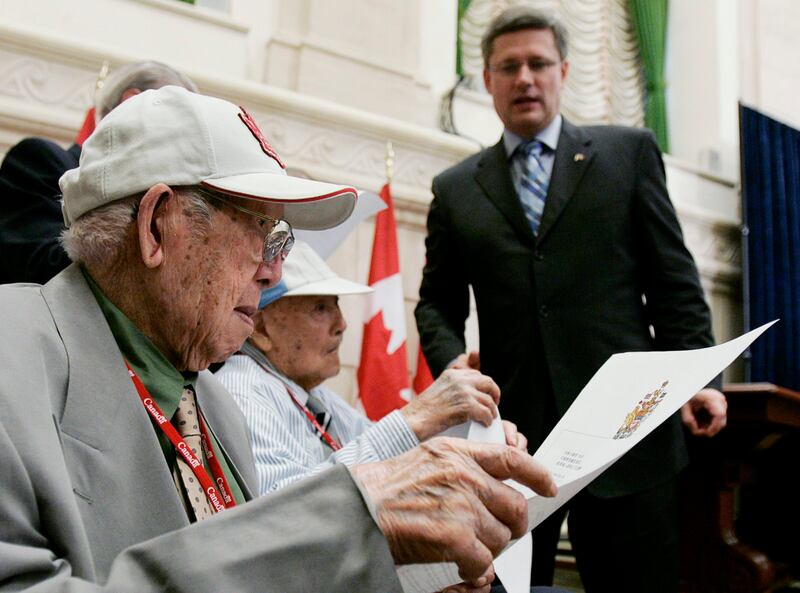
Chinese head tax survivor Ralph Lee looks at a copy of the government's official apology, signed by Canadian Prime Minister Stephen Harper, as he looks on at a ceremony acknowledging the apology in Ottawa Thursday. June 22, 2006. (CP PHOTO/Tom Hanson)
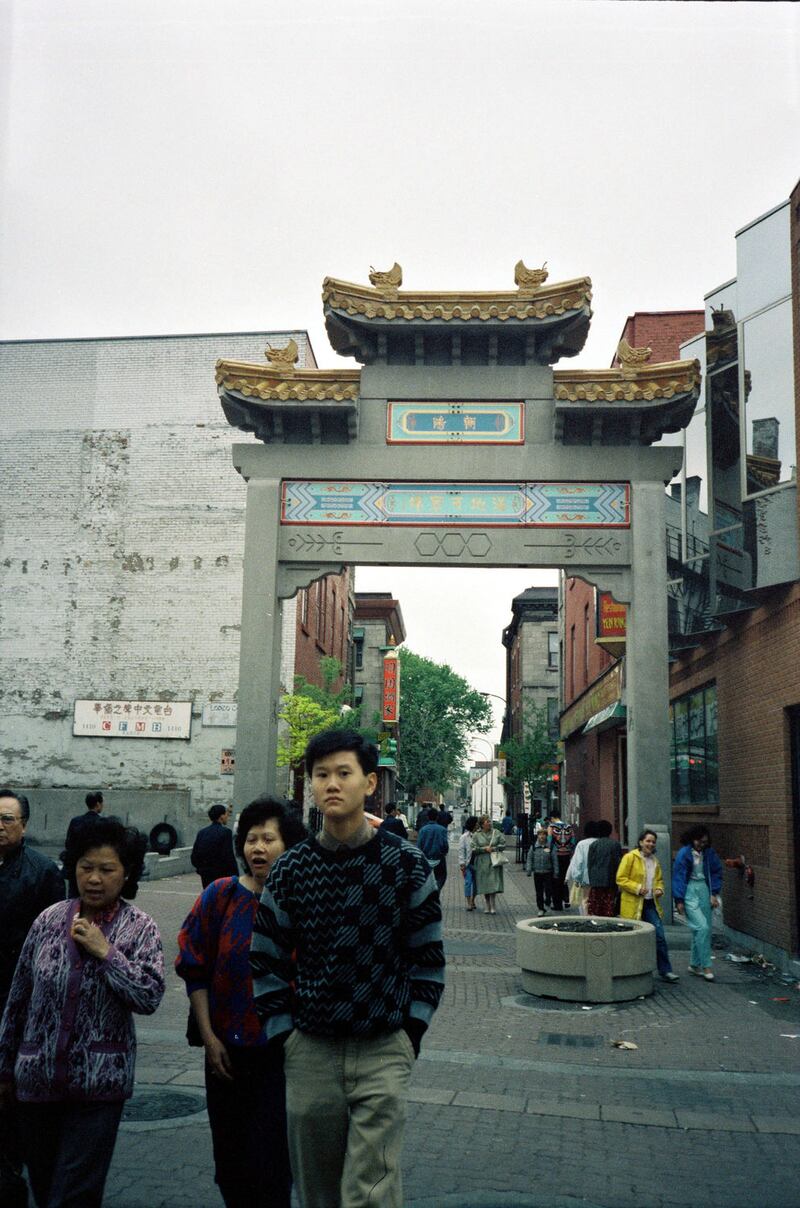
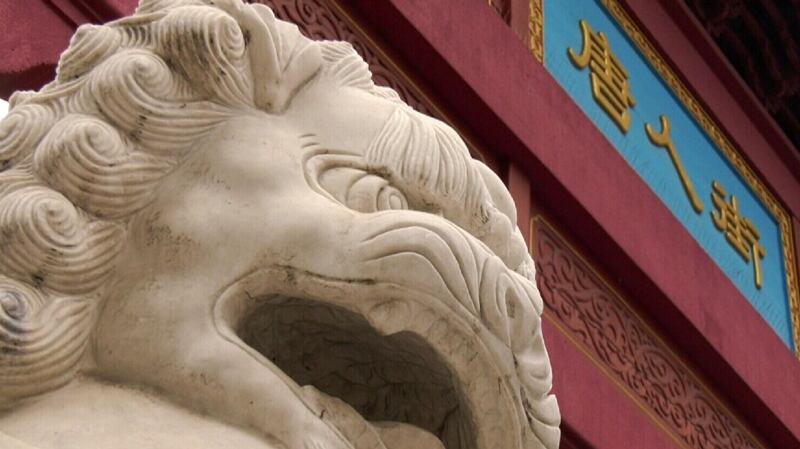
A view of a lion in Montreal's modern day Chinatown.
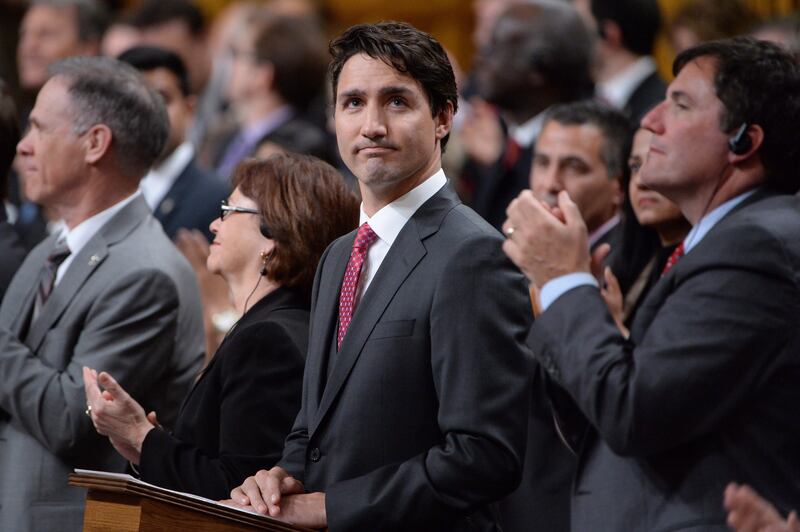
Prime Minister Justin Trudeau is applauded in the House of Commons on Parliament Hill in Ottawa on Wednesday, May 18, 2016, as he formally apologizes for a 1914 government decision that barred most of the passengers of the Komagata Maru from entering Canada. (THE CANADIAN PRESS/Adrian Wyld)
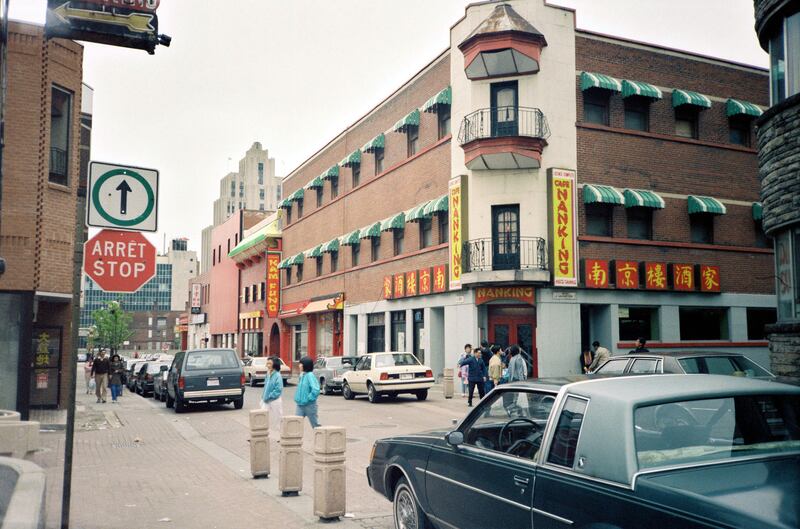
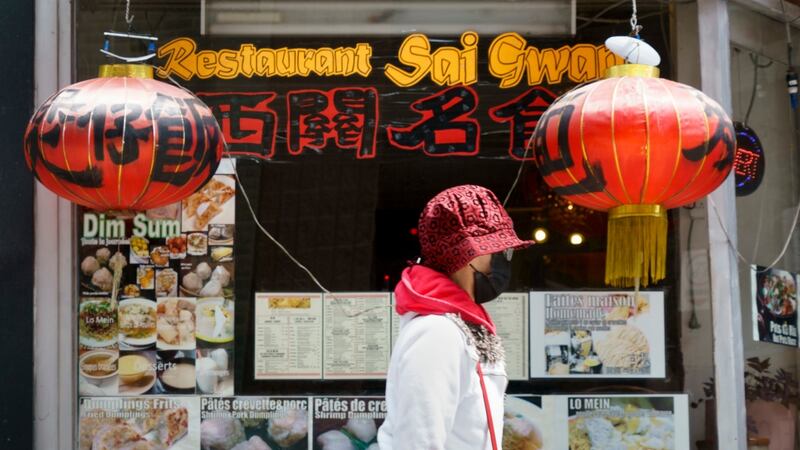
A woman walks past a restaurant in Montreal's Chinatown on Monday, May 31, 2021. (THE CANADIAN PRESS/Paul Chiasson)
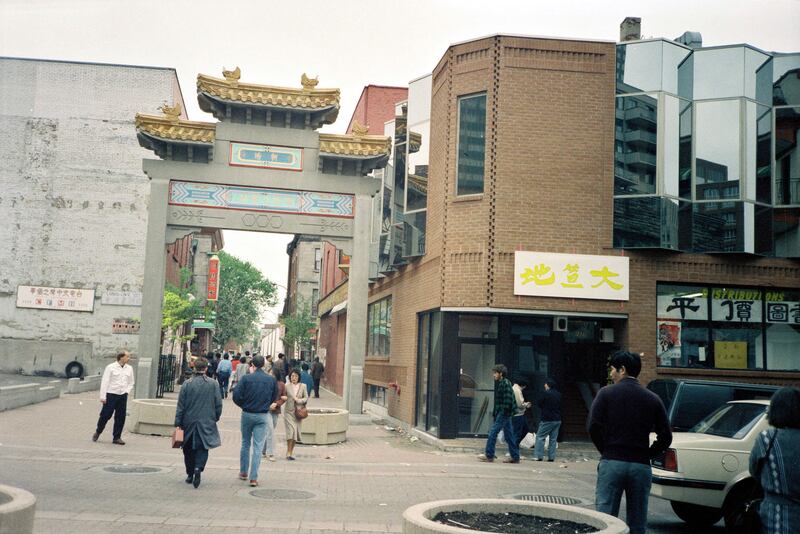
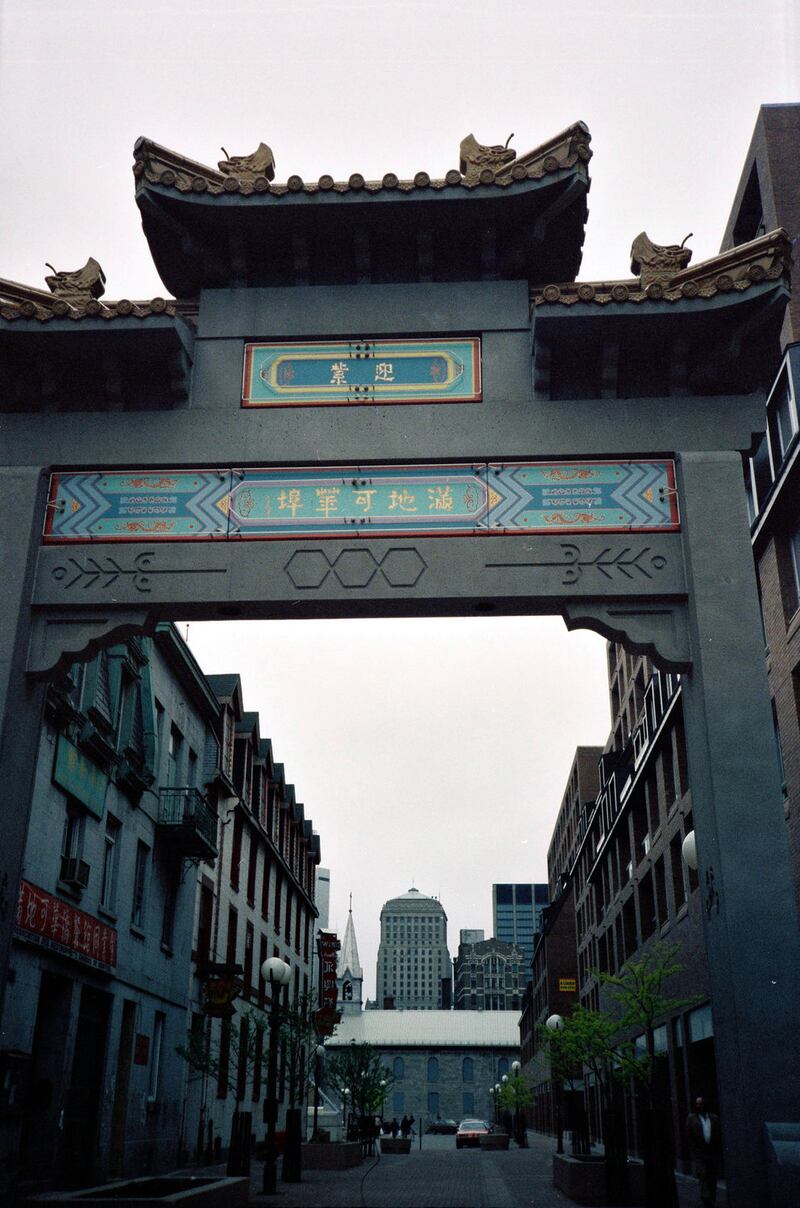
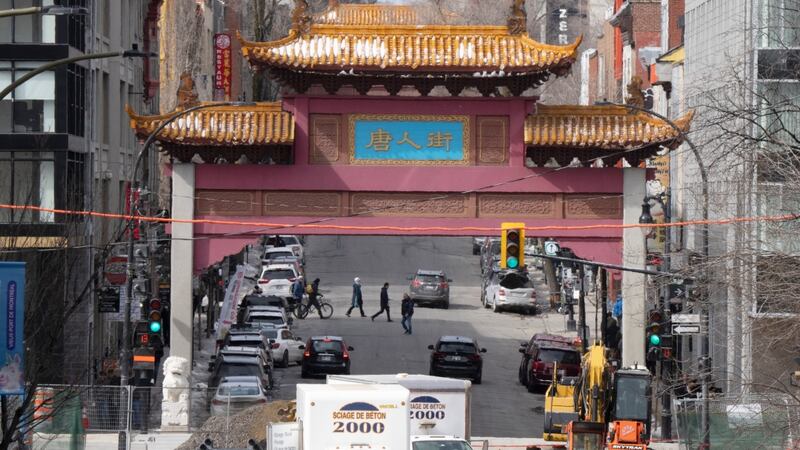
The Chinatown gate is seen on Thursday, March 9, 2023 in Montreal. (THE CANADIAN PRESS/Ryan Remiorz)
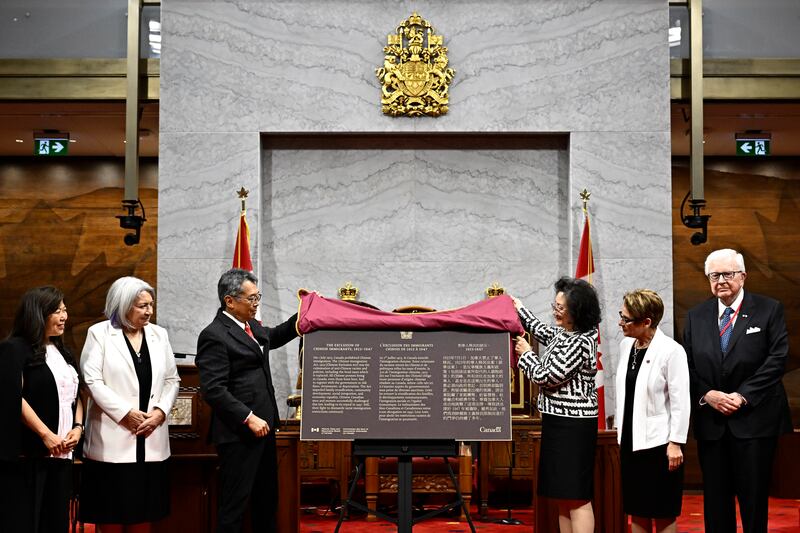
Lloyd Wong, Professor at the University of Calgary, third from left, and Teresa Woo Paw, chair of the ACCT Foundation, third from right, unveil a commemorative plaque during the National Remembrance Ceremony for the 100th Anniversary of the Introduction of the Chinese Exclusion Act, in the Senate Chamber in Ottawa, on Friday, June 23, 2023. (THE CANADIAN PRESS/Justin Tang)
In the decades that followed, Dr. Winston Chan, a prominent advocate of Montreal’s Chinese community, explains that China entered the throes of the Taiping Rebellion, a civil war between the Qing Dynasty, the last imperial dynasty, and the Taiping Heavenly Kingdom, which sought to overthrow it, from 1850 to 1864.
“There was a lot of debt, there was a lot of violence, there was famine, there was a lot of poverty,” said Chan. “Almost everybody that came from China to Canada to build the railroads is from the same hometown that my ancestors are from, which is Taishan (台山).”
Despite the harsh living conditions and poor pay during the railroad construction, many ended up staying long-term, giving rise to the still-standing neighbourhoods known as Chinatown.
“They were paid very, very little at that time,” said Chan. “There was a saying that for every mile, there was one Chinese death because it was so dangerous, didn’t pay well, and they weren’t treated as citizens.”
Asian heritage A Chinese arch on Pender Street in Vancouver B.C., date unknown. (Howard Fuller / Library and Archives Canada)
Why move?
Madokoro notes that the many reasons people choose to move so far away from home have not changed much in the last few hundred years.
“Political instability, economic insecurity, those have always been causes for mobility and migration,” she said.
She gives the example of her own Japanese roots, from the Wakayama region.
“They were fishermen in Japan, and they could translate that work to the Canadian context,” she said. “When economic conditions weren’t great in the homeland, that gave the opportunity or prompted people to think about, well, maybe we’ll try our fortunes elsewhere.”
Chan adds that the wars in Vietnam and Cambodia also brought many people to Canada’s shores.
“There were people from these South-East Asian countries that arrived, that also brought a new type of contribution to Quebec and Canada,” he said.
“Around the 1990s, there was another wave of immigration from Hong Kong, which is called the investment immigrants. So, they came into another wave, and that wave helped build, in some ways, Brossard, (on the) South Shore of Montreal.”
Japanese prisoners A group of Japanese prisoners in front of a cabin sometime between 1943 and 1945. (Library and Archives Canada)
Racist restrictions
Immigration to Canada from Asia didn’t come without discrimination, on the street or in the law.
Madokoro lists: the head tax for Chinese migrants; the Gentlemen’s Agreement for the Japanese, which restricted immigration to 400 men and domestic servants per year; the Chinese Immigration Act, also known as the Chinese Exclusion Act, prohibiting Chinese immigrants from entering the country for 24 years; and the continuous journey regulations for South Asians.
“There’s a lot of pushback when the numbers start to seem too large with the end of the railway. So, there are concerns about South Asian settlement, Japanese settlement and Chinese settlements,” Madokoro said. “You start to have in the late 19th, early 20th Century, these moves to restrictions.”
Chan explains that the Chinese head tax, starting at $50 a person, was “the equivalent of two mortgages at that time.”
Madokoro adds that, “The idea was that it was going to be punitive enough that no Chinese migrant would ever come again to Canadian shores.”
She points out that, though we broadly celebrate multiculturalism now, there’s much left to be discovered about the people who left their homelands in search of greener pastures.
“People lived multiple lives,” she said. “There’s a reality of how people were communicating in their own languages, maintaining cultures, practices (and) religions. But not all of that was necessarily seen by Canadian society... People didn’t just move here and forget everything (from) home.”
Here is a timeline of significant moments in Asian immigration to Canada: